Outstanding Graduate Profile
Ge Chang
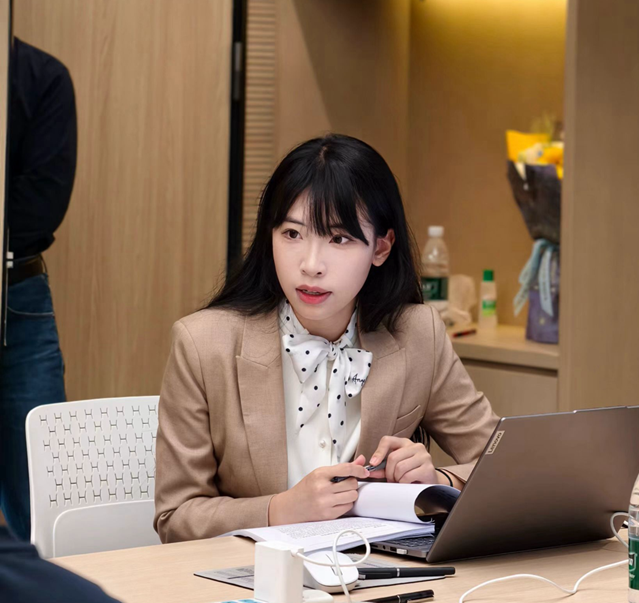
Master’s Program, Class of 2023
Major: Territorial Spatial Planning (Landscape Ecological Planning)
Supervisor: Professor Wu Jiansheng
Hometown: Changsha, Hunan Province
Undergraduate Institution: Wuhan University
Interests: Films and exhibitions
Post-graduation Destination: Selected Civil Servant Program, Hunan Provincial Government
As graduation approaches, we interviewed Ge Chang, an Outstanding Graduate from the School of Urban Planning and Design. From field investigations on the Loess Plateau to her decision to serve at the grassroots level in her home province after graduation, her journey has remained closely connected to the land and to practice. Faced with a vast academic landscape and important life choices, she chose to put down roots—seeking the meaning of research in the soil beneath her feet and sharpening her abilities through engagement with society. Through her story, she hopes to offer fellow students a sense of confidence and patience: focus on the road ahead, and when the time is right, growth will naturally blossom.
Learning from the Land
When Ge first arrived at Peking University, she had not yet identified a clear research direction. Finding a meaningful topic within a broad academic field became one of the earliest challenges of her graduate studies.
Her answer emerged during a field investigation in Shanxi Province in her first year. There, she encountered the deeply eroded landscapes of the Loess Plateau and heard local residents describe the realities of rural change: declining soil productivity, large-scale labor migration, and increasing farmland abandonment. Standing atop the plateau and looking across the landscape, she realized that land-use change is far more than a pattern on a map—it directly shapes the lives and livelihoods of local communities.
Under the guidance of Professor Wu Jiansheng, Ge gradually focused her research on land-use transition in ecologically fragile regions. She became particularly interested in land that had been neglected, abandoned, or left underutilized, and she came to appreciate more deeply the importance of research that responds to real-world challenges.
For Ge, fieldwork transformed abstract concepts into tangible realities and helped her understand how academic inquiry can contribute to addressing pressing social and environmental issues.
Choosing a Path to the Grassroots
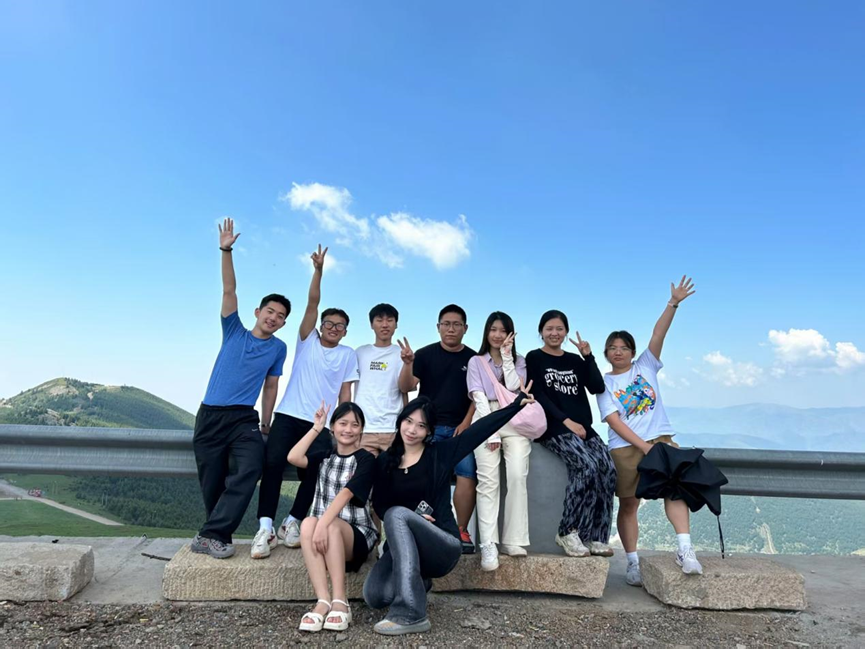
As a young Party member born and raised in Hunan and educated at Peking University, Ge ultimately chose a career path rooted in public service: joining the Hunan Provincial Selected Civil Servant Program.
This decision was not made overnight. Rather, it emerged gradually through a series of social practice experiences that strengthened her commitment to grassroots development.
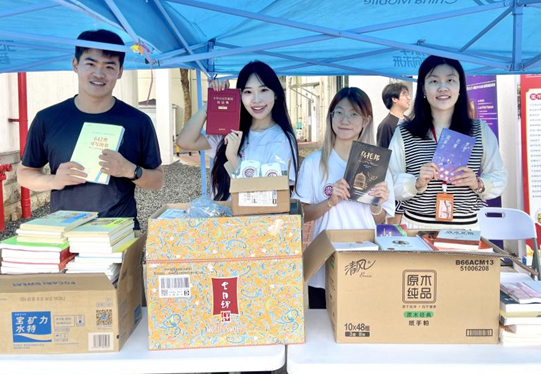
During her time at Peking University, she participated in the “Young Practitioners Program,” contributing to the development of Changsha as a youth-friendly city. Through policy research, stakeholder meetings, and visits to grassroots communities, she listened to entrepreneurs discuss their challenges and aspirations while observing how cities create opportunities for younger generations.
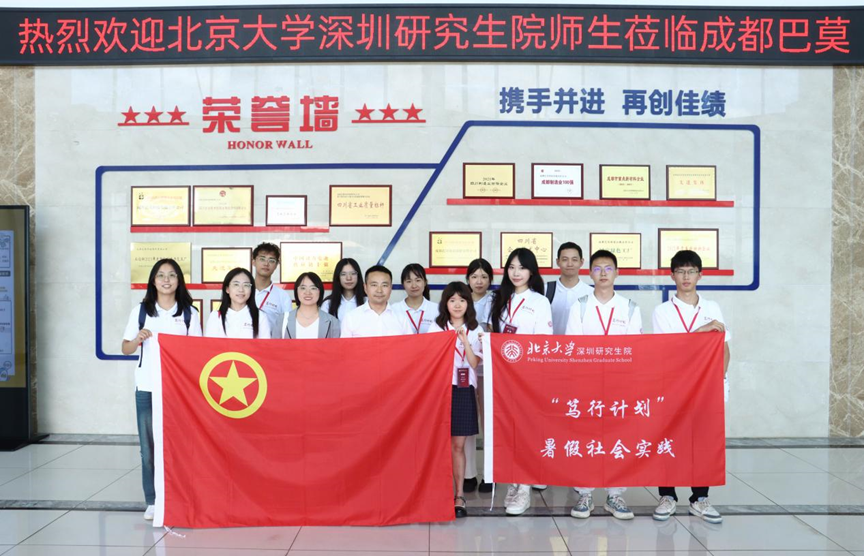
She also led a social practice team to Jintang County in Sichuan Province, where she gained firsthand insight into local industries and community development. Through these experiences, she increasingly felt drawn to working with real communities, addressing concrete problems, and contributing to meaningful change.
Most importantly, these experiences revealed to her the growing demand for planning professionals at the grassroots level. The closer she came to local communities, the more strongly she felt that planning expertise could play a practical role in supporting rural revitalization and local development.
Following graduation, Ge will spend three years working in rural communities in Hunan Province. She hopes to apply the knowledge she gained in territorial spatial planning to support rural revitalization and contribute to the development of her home region.
Lessons from Balance and Priorities
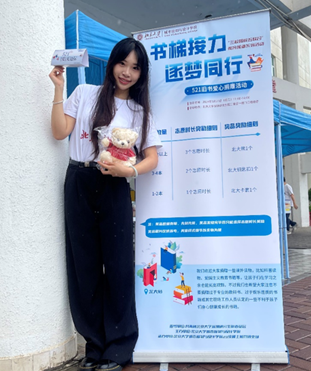
Reflecting on her graduate experience, Ge is candid about one challenge she encountered: balancing academic research with student leadership and social engagement.
Student work and social practice occupied a substantial portion of her time during graduate school, leaving less time for research than some of her peers devoted to academic work. Watching fellow students patiently dedicate themselves to research often made her feel that she could have done more.
Over time, however, she learned an important lesson: it is impossible to excel in everything simultaneously.
Rather than trying to do everything at once, she came to appreciate the value of focusing on what matters most and doing it well. Sometimes, she notes, “doing fewer things, but doing them better” is a more effective strategy than attempting to manage everything at the same time.
Her advice to younger students is therefore straightforward: while it is valuable to develop broadly, never neglect the skills and strengths that form the foundation of your professional growth. Universities provide abundant resources and opportunities, but students must learn to seize them thoughtfully and make meaningful use of them.
Reflections on Excellence
When asked what contributed to her receiving the title of Outstanding Graduate, Ge emphasizes two principles: maintaining energy and integrating learning with action.
Academic Excellence as a Foundation
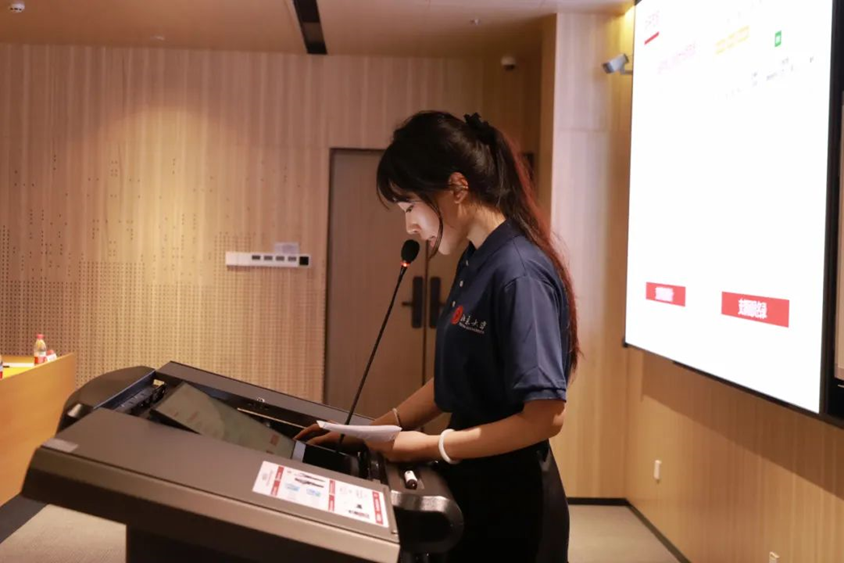
No matter how busy student leadership or extracurricular activities become, academic work should remain a top priority. Ge believes that graduate students must cultivate a rigorous and responsible approach to learning, as scholarly development provides the foundation for all other pursuits.
Connecting Knowledge and Practice
She also encourages students to step beyond the classroom and actively connect disciplinary expertise with societal needs.
For students in territorial spatial planning, opportunities such as planning competitions, field investigations, and applied research projects offer valuable ways to transform theory into practice. Through practical engagement, students not only deepen their understanding of professional knowledge but also generate new insights that can enrich future research.
Serving Society
Ge views social practice and volunteer service as essential components of personal growth. Activities such as educational assistance programs, grassroots research, and community volunteering may require significant time and effort, but they help students broaden their perspectives, strengthen their character, and better understand society.
More importantly, these experiences can clarify one’s sense of purpose while cultivating a deeper commitment to public service and social responsibility.
Gratitude and Growth
Looking back on her years at Peking University Shenzhen Graduate School, Ge describes the experience as deeply meaningful and transformative.
She is especially grateful to her supervisor, Professor Wu Jiansheng, whose rigorous scholarship and patient mentorship taught her the importance of seeking truth, remaining grounded, and approaching both research and life with seriousness and integrity. His guidance shaped not only her academic development but also many of the decisions she made throughout graduate school.
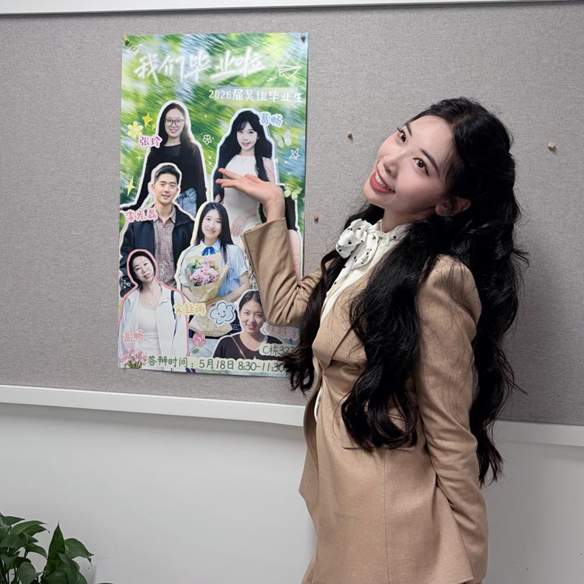
She also expressed appreciation to the faculty and staff of the Shenzhen Graduate School and the School of Urban Planning and Design for creating an environment that encouraged exploration, experimentation, and growth.
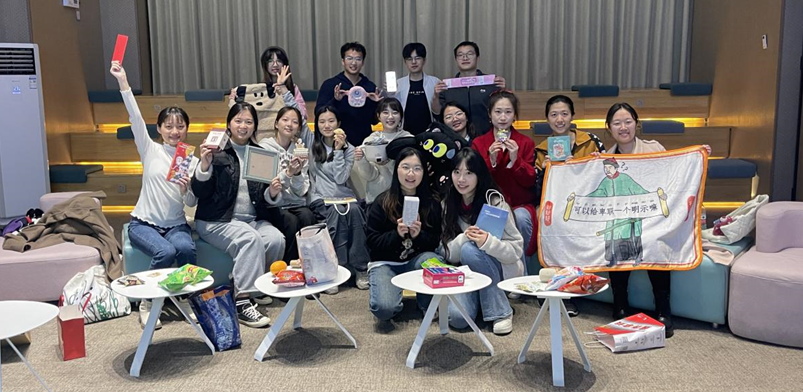
Equally important were the friendships she built along the way. Whether working together on academic projects, organizing activities, or navigating the challenges of graduate life, her classmates and friends provided invaluable support and companionship.
Finally, she is deeply grateful to her parents, whose unwavering trust and encouragement allowed her to pursue her ambitions with confidence. Their support remains the foundation that gives her the courage to embrace new challenges and dedicate herself to service at the grassroots level.
Looking Ahead
As she prepares to begin the next chapter of her journey, Ge carries with her a simple but powerful belief:
“Find your bearings in the soil. There is no need to rush into bloom—first learn to put down deep roots.”
Everyone grows at a different pace. There is no need to compare oneself with others or rush toward visible achievements. What matters most is moving forward steadily, remaining committed to one’s chosen path, and allowing growth to unfold naturally over time.
She hopes that every student can find meaning in their own journey, stay grounded in their values, and continue moving forward with confidence and purpose.
Honors and Research Achievements
Honors and Awards
·Peking University Outstanding Graduate
·Peking University Top Ten Youth League Branch Secretaries
·Outstanding Youth League Branch Secretary, Peking University
·Outstanding Youth League Member, Peking University
·Social Work Award, Peking University
·Outstanding Student Leader, Peking University Shenzhen Graduate School
·Third Prize, First Guangdong–Hong Kong–Macao University Planning and Design Competition
Research Achievements
·Published one first-author SCI paper in a JCR Q1 journal
·Co-authored three SCI-indexed papers
·Participated in a Key Project funded by the National Natural Science Foundation of China
Student Leadership and Social Practice
·Youth League Branch Secretary, Master’s Program Class of 2023, School of Urban Planning and Design
·Minister of Culture and Sports, Youth League Committee of Peking University Shenzhen Graduate School
·Student Cadre, Publicity Department, Youth League Committee of Peking University Shenzhen Graduate School
·Team Leader, Jintang Team, “Duxing Program” Social Practice Project
