Outstanding Graduate Profile
Peng Zhaoxing
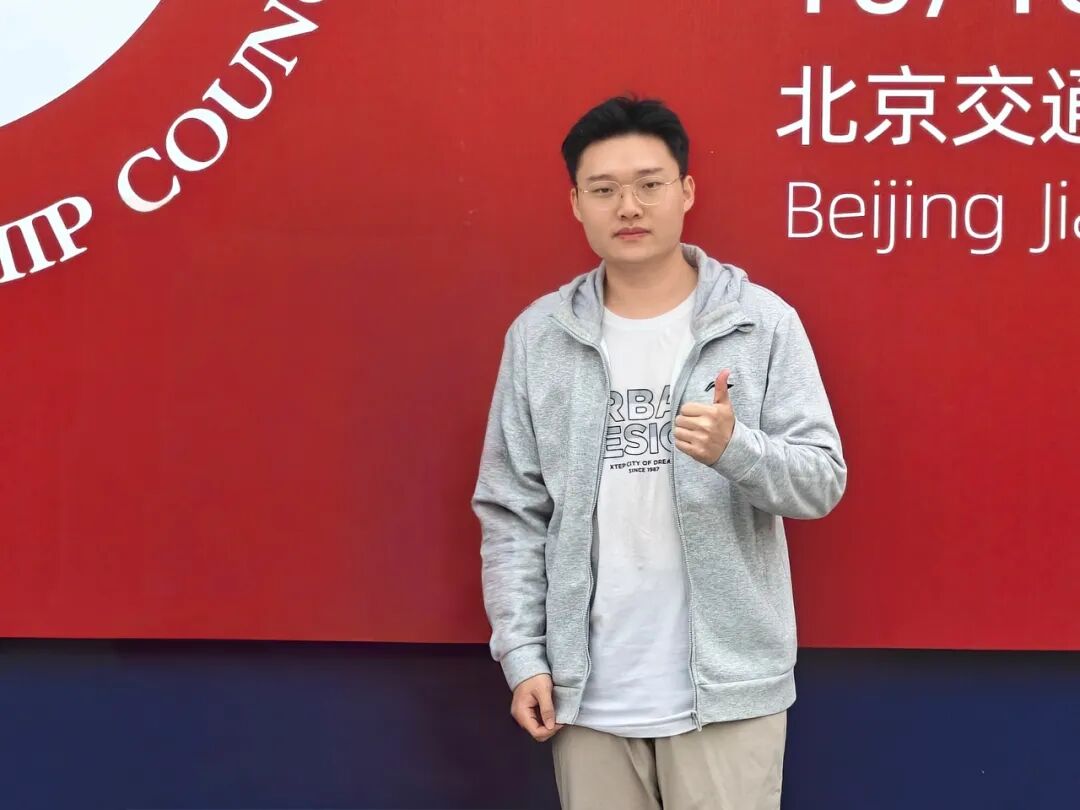
Master’s Program, Class of 2023
Major: Territorial Spatial Planning (Landscape Ecological Planning)
Supervisor: Professor Ni Honggang
Hometown: Linyi, Shandong Province
Undergraduate Institution: Shihezi University
Interests: Debate and public speaking
Post-graduation Destination: Pursuing a Ph.D. abroad
As graduation approaches, we interviewed Peng Zhaoxing, an Outstanding Graduate from the School of Urban Planning and Design. From the uncertainty of his early research experiences to his firm decision to pursue doctoral studies, from long hours refining experiments in the laboratory to carefully crafting arguments on the debate stage, his three years at Peking University Shenzhen Graduate School have been defined by perseverance. Confronted with research challenges and the uncertainties of the future, he chose to focus on action rather than self-doubt, continuously strengthening his academic and personal capabilities through practice. His story reflects a journey of persistence, growth, and steady progress in pursuit of meaningful goals.
Learning Through Exploration
For Peng, graduate study has been a process of continual adjustment and self-discovery.
The research topics he encountered when first entering graduate school differed considerably from the focus of his final thesis. Along the way, he explored several directions before eventually integrating his background in botany with microbial research and identifying rhizosphere microbial regulation as his primary research area.
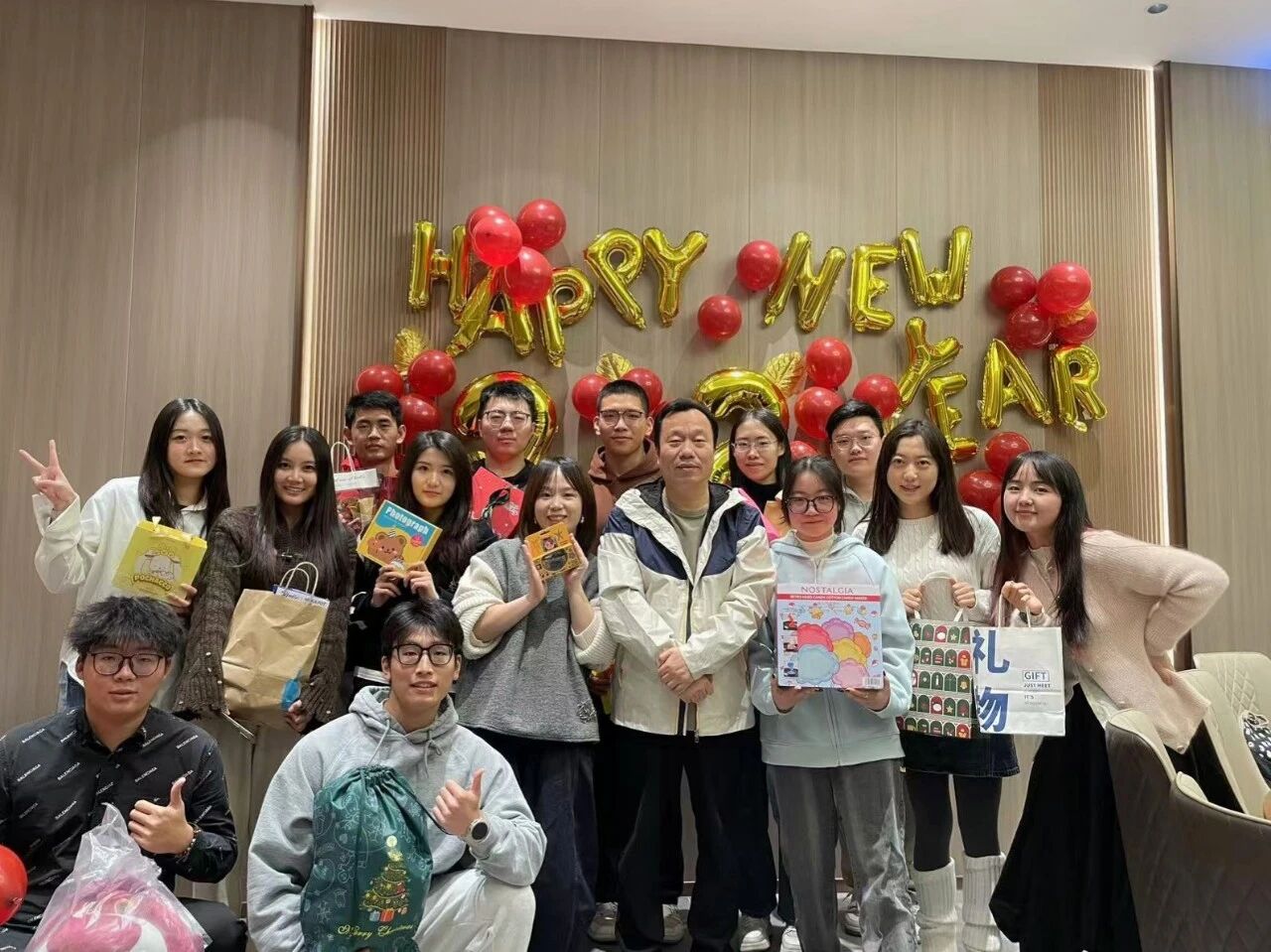
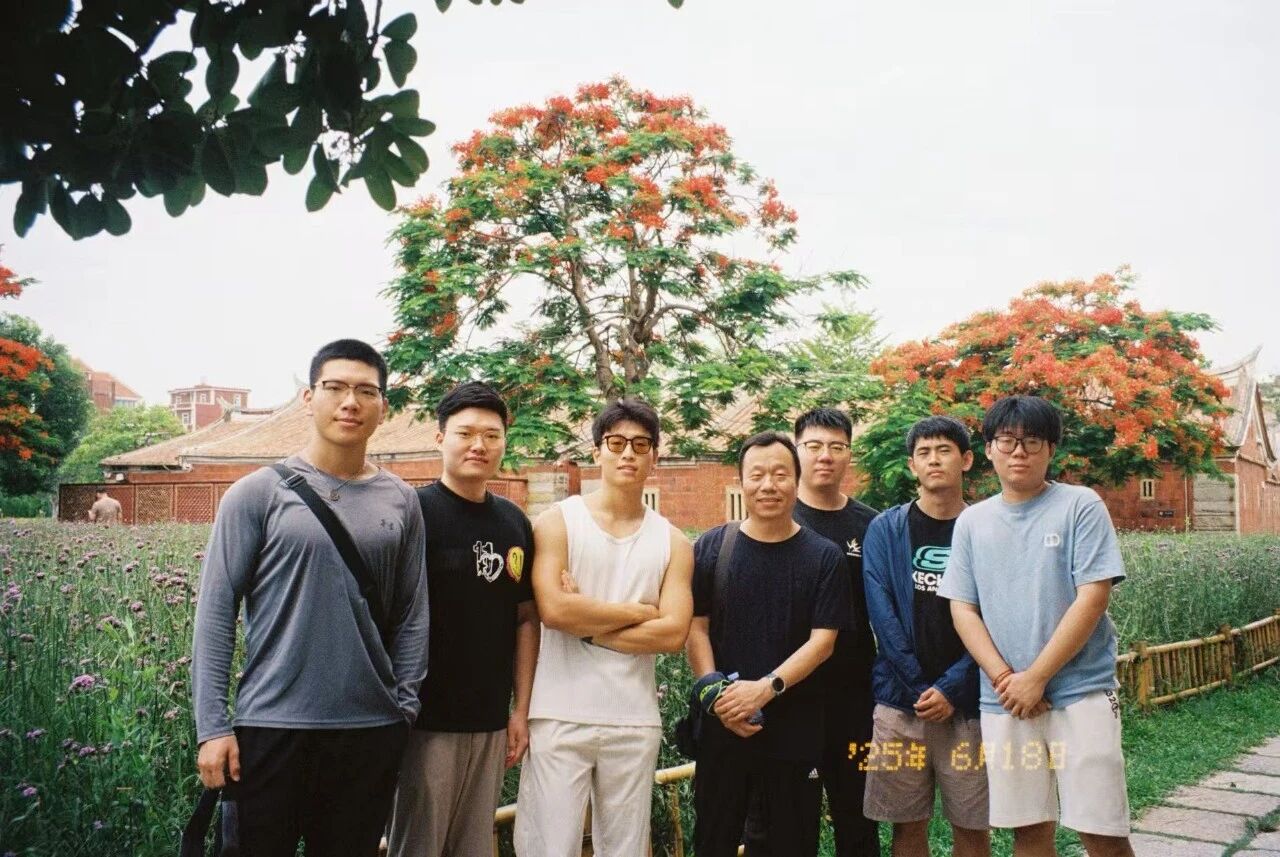
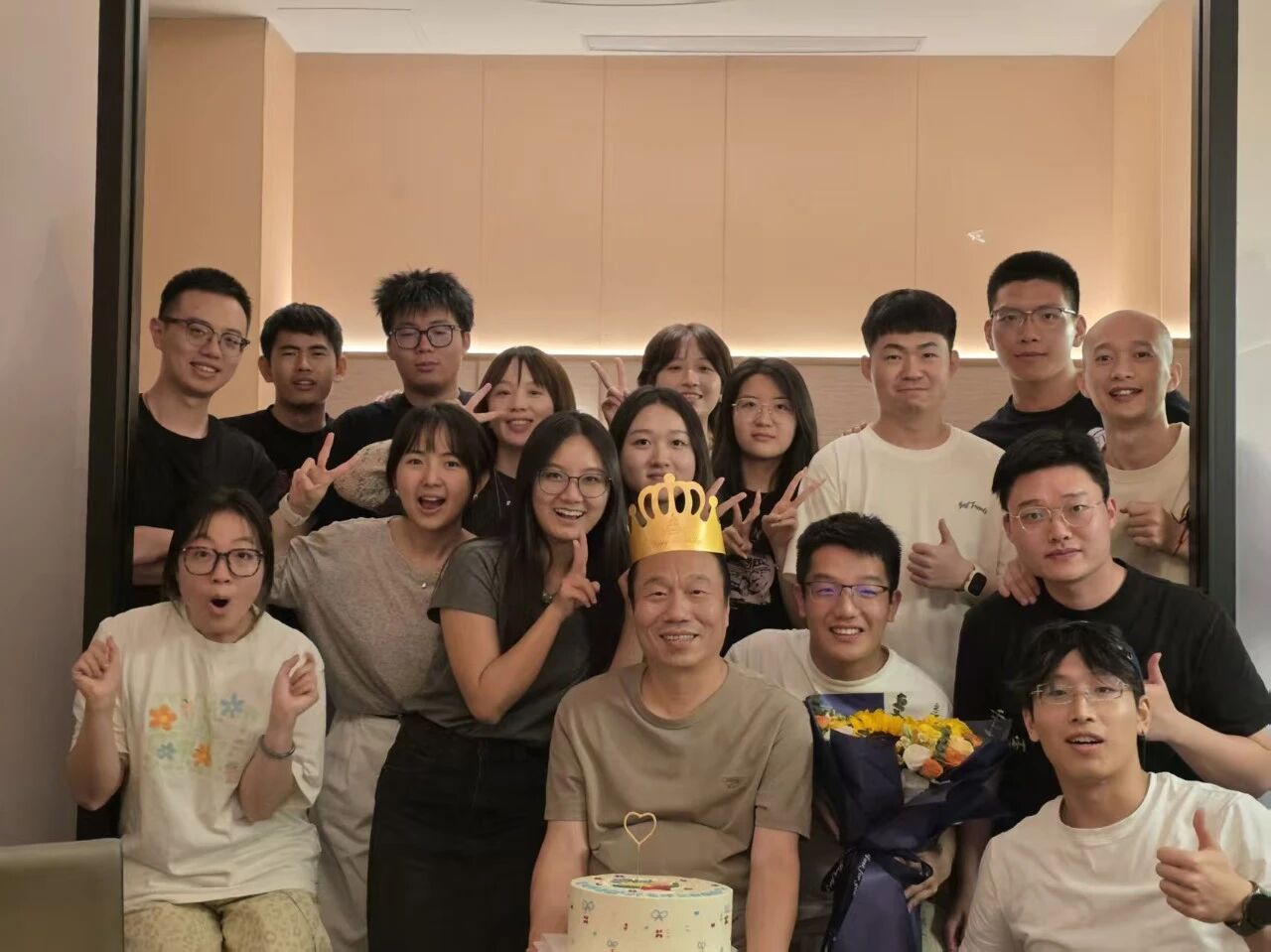
Looking back, he credits much of this growth to the guidance of his supervisor, Professor Ni Honggang. Whether facing difficulties in research or challenges in daily life, Peng found in his advisor a source of patient mentorship and unwavering support.
Daily research, he notes, often consists of repeated cycles of reading, analysis, writing, revision, and experimentation. Skills such as independent thinking, data analysis, and academic writing are not acquired overnight but are cultivated through continuous practice.
In his view, research is fundamentally a marathon rather than a sprint. At every stage, researchers must consider how to improve their pace, deepen their understanding, and produce work with greater scholarly value.
Choosing Further Study
After three years of academic training, Peng gradually gained a clearer understanding of whether an academic career suited him and became increasingly confident in his decision to continue along this path.
He believes that students interested in doctoral study should consciously build their research portfolios during graduate school, including publishing papers as first or corresponding authors whenever possible. Equally important are developing efficient writing habits, strengthening data analysis skills, and steadily advancing research within a focused area of expertise.
When discussing the choice between further study and employment, however, Peng avoids offering universal advice. In his view, there is no single path that fits everyone.
The most important task is to understand what one truly wants and to be prepared for the uncertainties that inevitably accompany any major decision. Whether pursuing research or entering the job market, progress often comes through experimentation, adjustment, and learning from experience.
As he puts it, success lies in approaching the work at hand with seriousness and commitment while remaining open to refinement and change along the way.
Lessons from Failure
Among the setbacks he encountered during graduate school, one research project in his first year left a particularly lasting impression.
At the time, he spent several months attempting to use microbial domestication techniques to degrade organic pollutants. Early experimental results appeared promising, and the project advanced smoothly through its initial stages. However, during systematic analysis, he discovered a fundamental flaw that undermined the reliability of the findings.
In retrospect, Peng believes the mistake could have been identified much earlier.
The experience taught him the critical importance of experimental design. Before beginning any project, researchers should carefully consider potential sources of interference, clarify boundary conditions, and conduct sufficiently thorough literature reviews. Many avoidable problems arise when known limitations are overlooked during the planning stage.
Equally important, he emphasizes, is the willingness to seek help. Attempting to solve every problem alone can lead to unnecessary frustration and inefficiency. Open discussions with supervisors, senior students, and peers often provide valuable perspectives and lead to faster breakthroughs.
For Peng, this experience reinforced a simple but enduring lesson: thoughtful preparation and effective communication are often just as important as technical execution.
Reflections on Becoming an Outstanding Graduate
At Peking University Shenzhen Graduate School, excellence is hardly uncommon. Surrounded by talented and accomplished peers, Peng views receiving the title of Outstanding Graduate as both a privilege and a matter of good fortune.
When asked what advice he would offer younger students, his answer centers on resilience.
Research is often repetitive, demanding, and accompanied by setbacks. Experiments fail, papers are rejected, and progress can feel slow. Yet temporary setbacks should never become reasons to doubt one’s overall potential.
He also stresses the importance of intellectual honesty—being truthful with both data and oneself. In academic work, humility matters. Researchers should neither exaggerate their contributions nor ignore their own limitations. Recognizing what one knows and what one still needs to learn is an essential part of scholarly growth.
Beyond research, Peng encourages students to preserve a sense of inner balance. Whether through travel, nature, literature, or other personal interests, it is important to maintain spaces for reflection and renewal amid the demands of graduate life.
Beyond the Laboratory: A Passion for Debate
Outside the laboratory, debate became another defining part of Peng’s graduate experience.
What first attracted him to debate was its emphasis on logical rigor and precise communication. Successfully debating a complex issue requires quickly identifying the core points of contention, recognizing weaknesses in opposing arguments, and expressing ideas clearly and effectively.
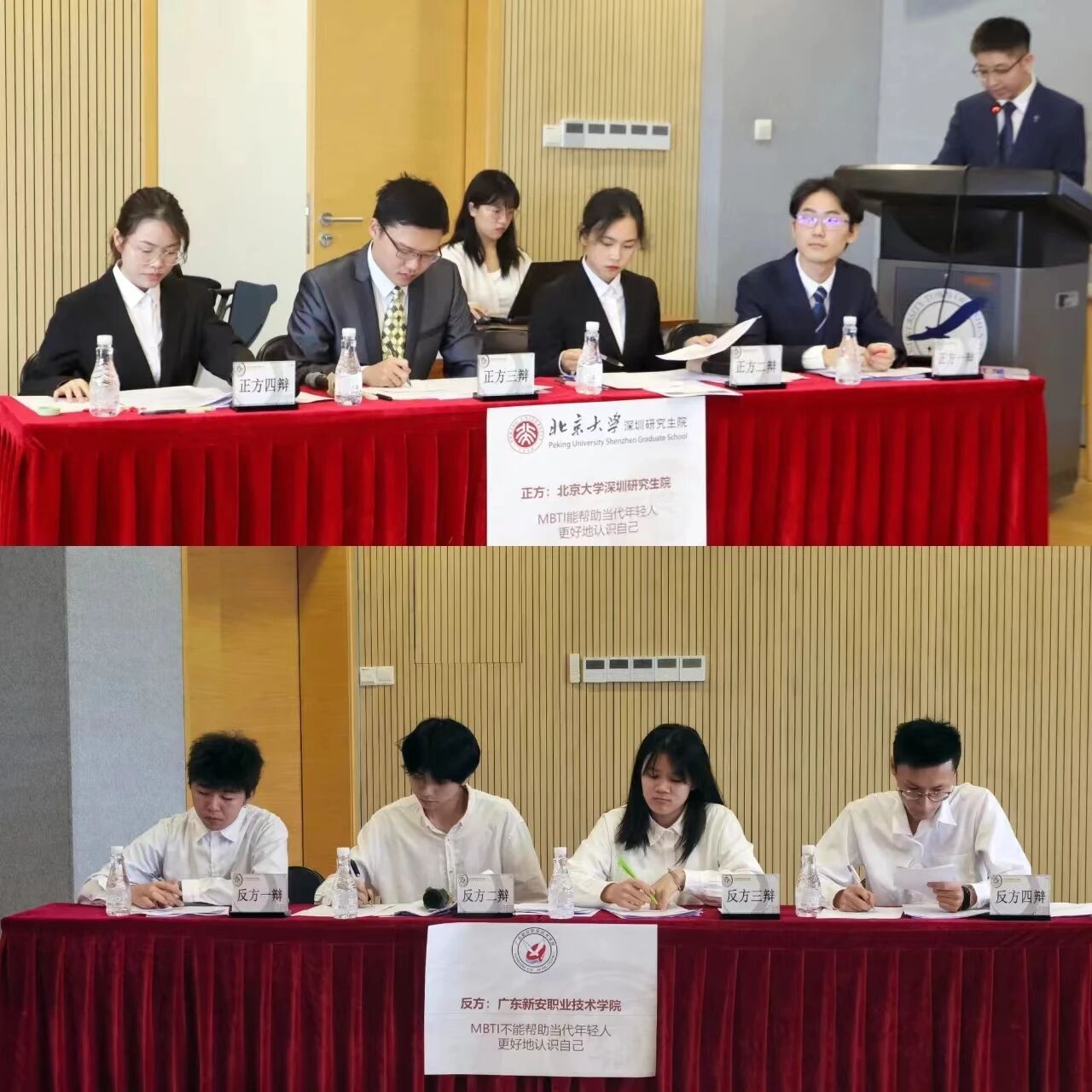
Over time, his involvement expanded beyond competition itself. He led teams in intercollegiate tournaments, participated in public science outreach activities, and served as a judge at events hosted by other universities.
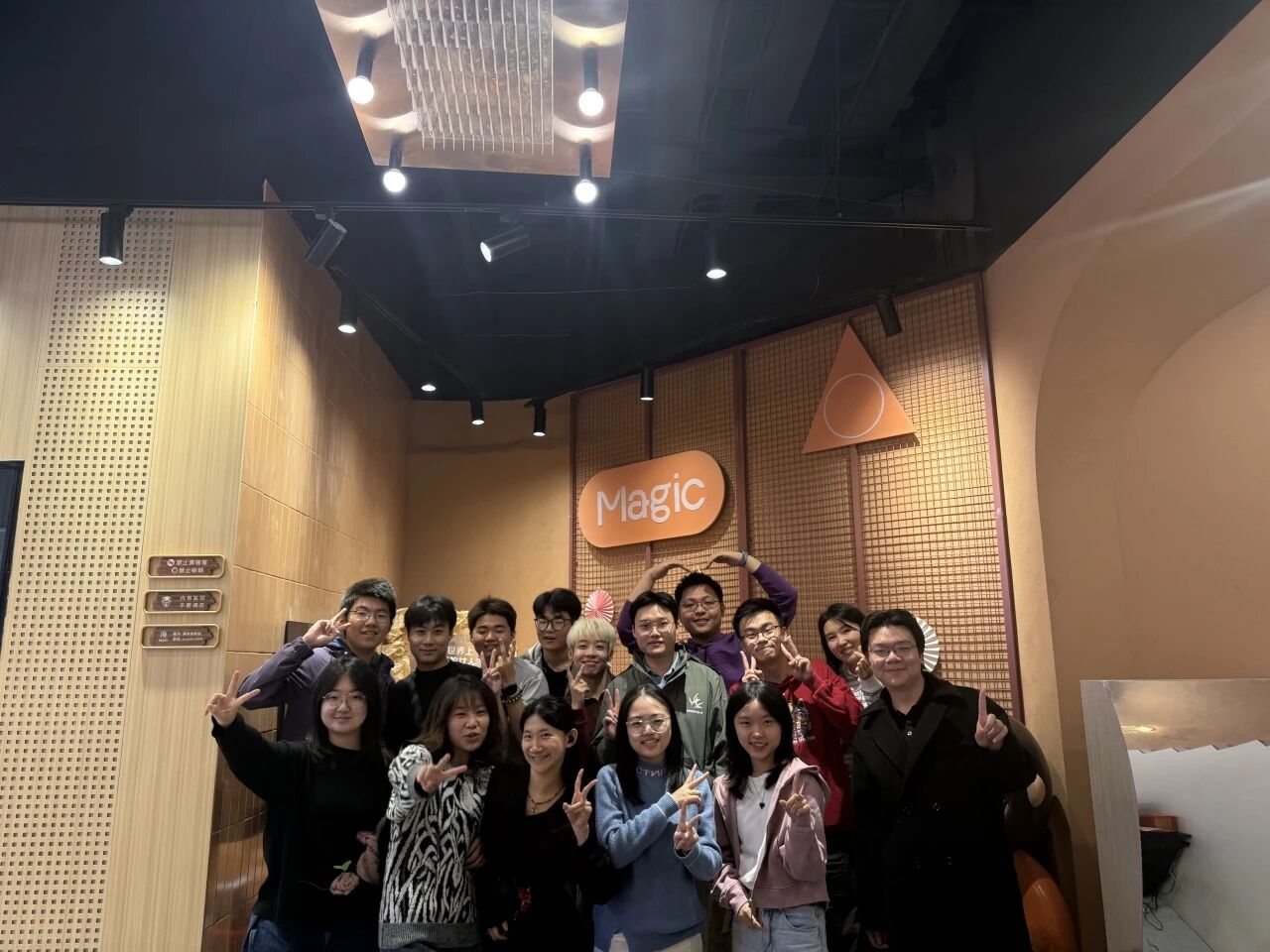
During his third year, he served as President and Team Captain of the Shenzhen Graduate School Debate Association. Alongside competitive achievements, he also devoted considerable effort to team management and organizational development.
For Peng, debate taught lessons that extend far beyond the competition stage. Sustained commitment, responsibility to a team, and genuine passion for one’s work are just as important as individual performance.
Looking Ahead
Reflecting on his graduate journey, Peng summarizes his philosophy with a phrase that has guided him throughout the years:
“Start from near at hand and keep moving forward.”
Meaningful accomplishments rarely emerge overnight. Like refining gold from sand, growth requires patience, persistence, and repeated effort.
As he prepares for the next stage of his academic journey, he hopes to carry forward both the resilience cultivated through research and the clarity developed through debate.
His message to fellow students is simple:
Remain clear-minded and composed.
Stay humble in both success and failure.
Focus on steady progress rather than immediate outcomes.
With persistence and sincerity, each step forward becomes part of a larger journey toward growth and self-discovery.
Honors and Research Achievements
Honors and Awards
·Peking University Outstanding Graduate
·Peking University Merit Student
·Hongqiao Scholarship
·Outstanding Student Organization Leader, Peking University Shenzhen Graduate School
Research Achievements
·Published two papers as co-first author or corresponding author in Journal of Environmental Management and Journal of Environmental Chemical Engineering
·Contributed to seven SCI-indexed publications
Student Leadership
·Vice President, Peking University Debate Association
·President and Team Captain, Debate Association of Peking University Shenzhen Graduate School
·Deputy Director, Academic Affairs Department, Graduate Student Union, School of Urban Planning and Design
