Outstanding Graduate Profile
Deng Zhicheng
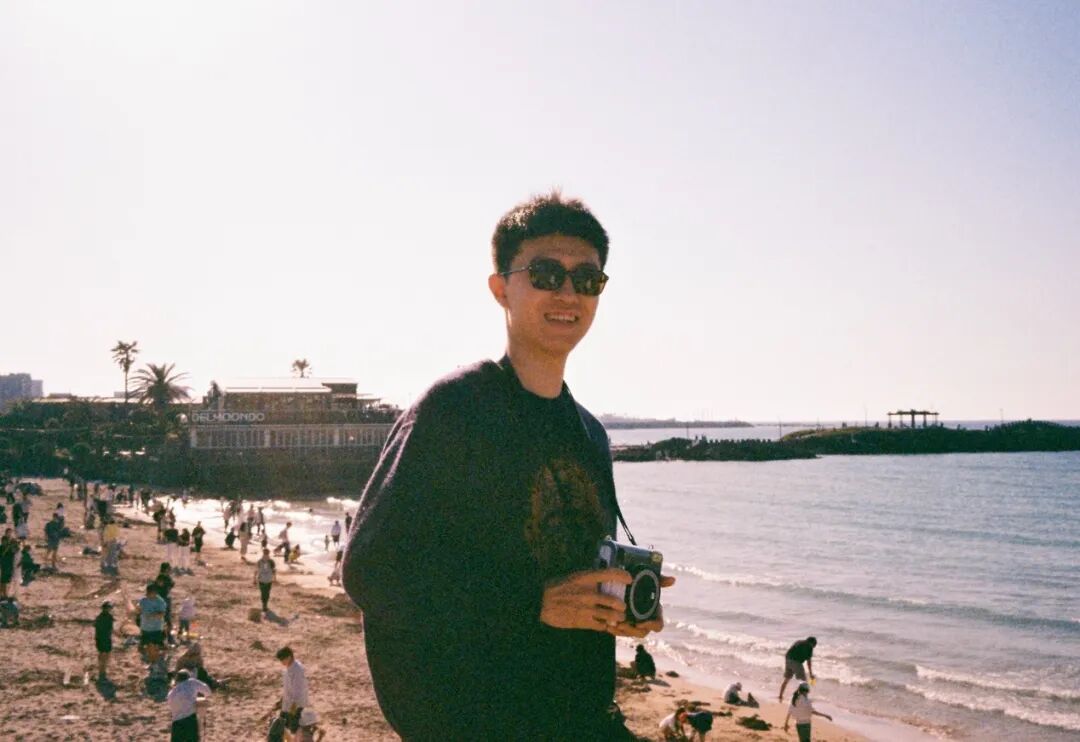
Master’s Program, Class of 2023
Major: Territorial Spatial Planning (Smart Cities and Big Data)
Supervisor: Assistant Professor Gong Zhaoya
Hometown: Qinhuangdao, Hebei Province
Undergraduate Institution: Nanjing Normal University
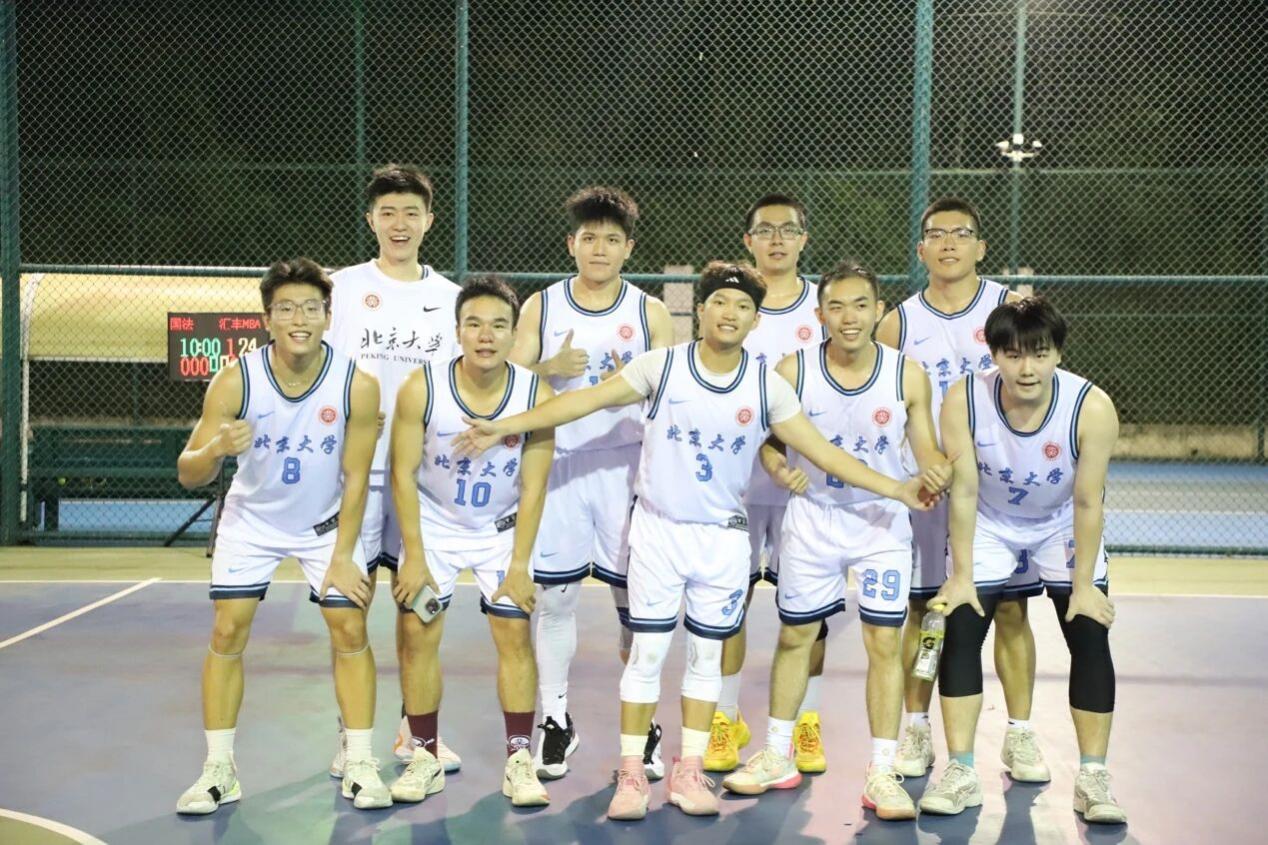
Interests: Basketball, snooker
Post-graduation Destination: University College London (UCL)
As graduation approaches, we interviewed Deng Zhicheng, an Outstanding Graduate from the School of Urban Planning and Design. From entering graduate school as a newcomer to research to ultimately discovering his own direction through the doctoral application journey, his three years of study became a process of continuous self-exploration. Guided by mentorship and moments of reflection beyond academia, he gradually developed both intellectual clarity and a stronger sense of purpose. Facing academic uncertainty and external pressures, he chose to focus on doing each task well and telling his own story with sincerity. Through his experience, he hopes to offer reassurance to students navigating uncertainty: there is no need to rush to match someone else’s pace—first understand what you truly want, remain clear-minded, and allow yourself room to breathe.
Learning to Grow Through Exploration
Looking back on his master’s experience, Deng describes himself as someone who entered research with little prior experience.
For students beginning academic work, he believes the most important quality is maintaining an open mindset: actively seeking guidance from knowledgeable mentors, learning from experienced senior students, and continuously exploring until discovering questions that genuinely spark long-term interest.
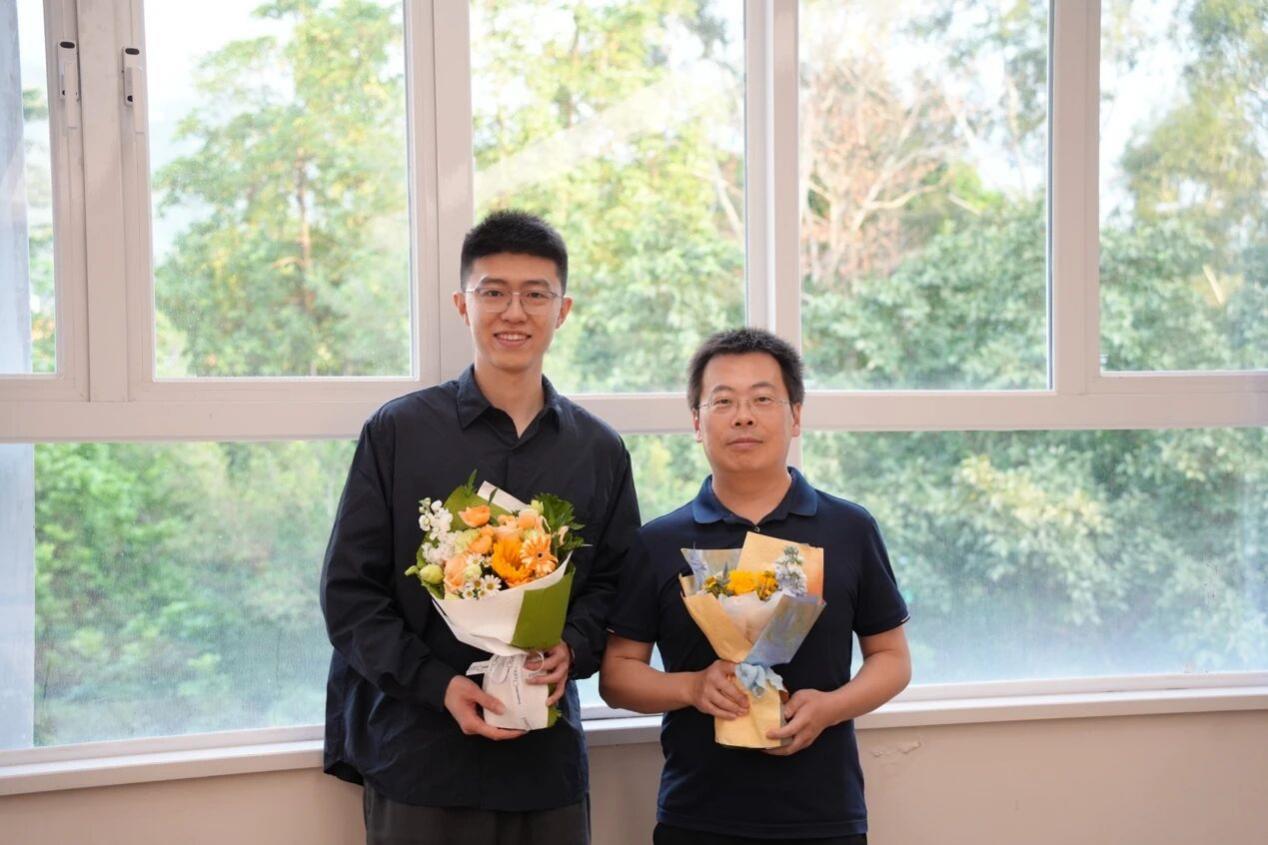
Equally important, in his view, is learning how to communicate effectively with supervisors.
Deng emphasizes the value of perspective-taking. Supervisors often approach problems with broader experience, stronger disciplinary foundations, and different analytical frameworks. When students attempt to understand issues from their advisors’ perspective, many suggestions become easier to appreciate and apply.
At the same time, communication should be focused and concise. He recommends approaching conversations almost like an “elevator pitch”—clearly explaining the research question, why it matters, and how it will be addressed. Such preparation allows discussions to become more productive and enables supervisors to provide more targeted feedback.

Like many graduate students, Deng also experienced anxiety during his studies. There always seemed to be more projects to complete, more papers to read, and more skills to master. Research outcomes did not always meet expectations, manuscripts faced rejection, and comparison with capable peers sometimes created additional pressure.
Over time, however, he realized that much of this anxiety came not from his own aspirations but from external expectations and comparison.
What became more important was learning to listen to himself and clarify what truly mattered.
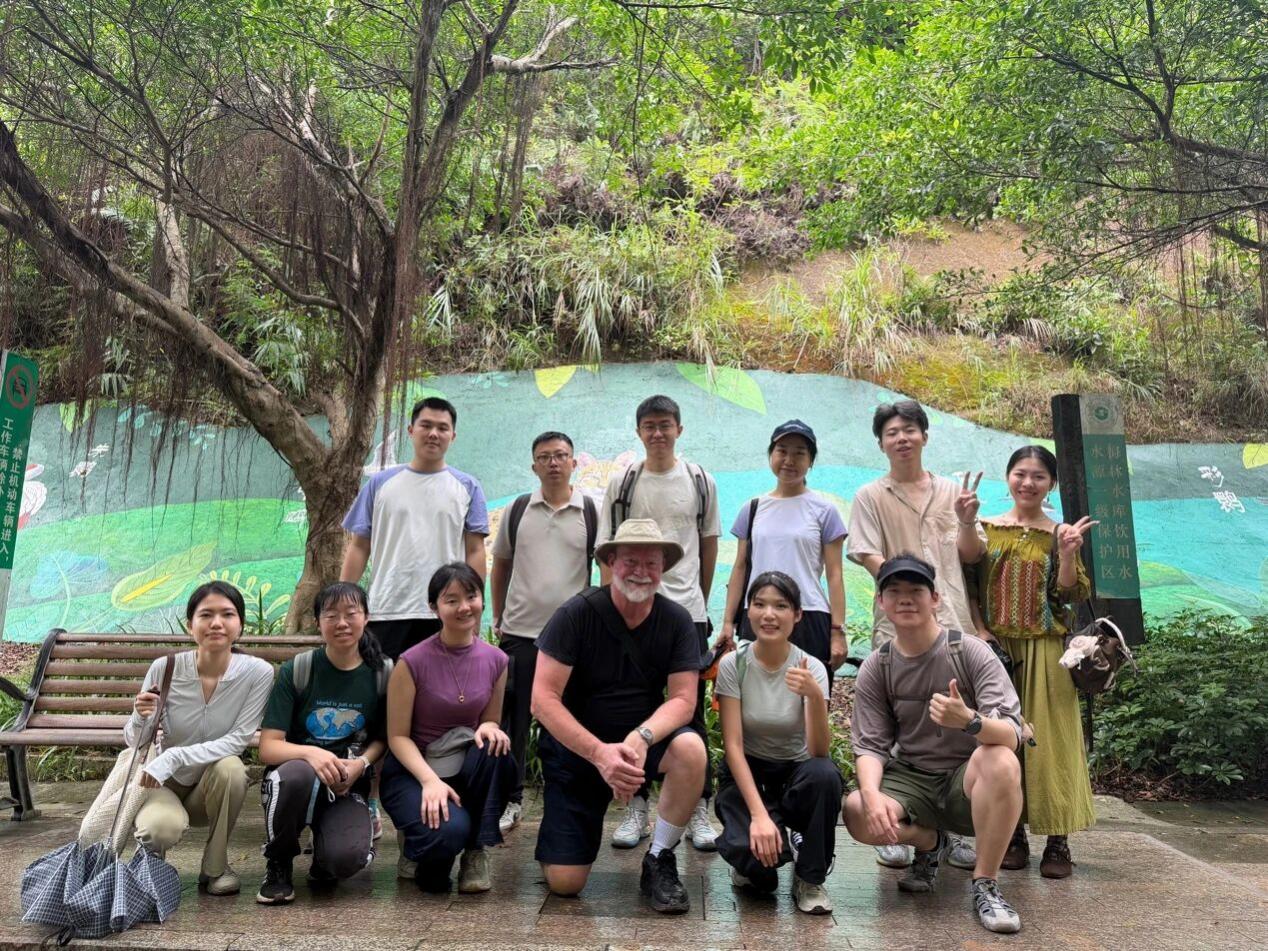
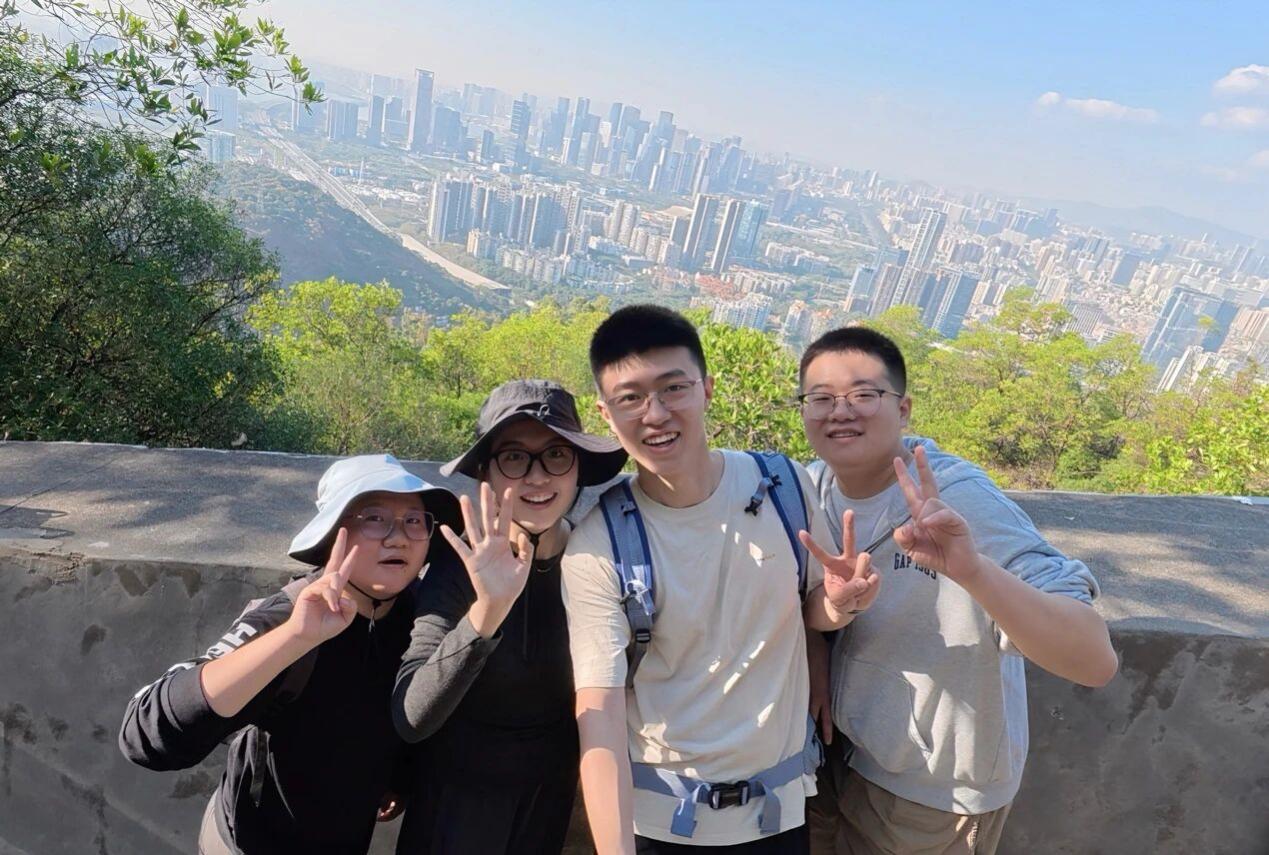
For Deng, stepping away from the pace of the city became one way of regaining clarity. Hiking, spending time by the sea, and returning to quieter environments allowed external noise to fade and helped him reconnect with his own priorities.
Choosing Further Study: A Doctoral Journey Begins with Genuine Interest
When discussing doctoral applications, Deng believes that the most important starting point is identifying a direction one truly cares about.
As he often heard during interviews and conversations:
“PhD is your own journey.”
In his view, pursuing a doctorate is an intensely personal process. Without genuine interest in a research area, it becomes difficult to maintain long-term commitment through years of sustained inquiry.
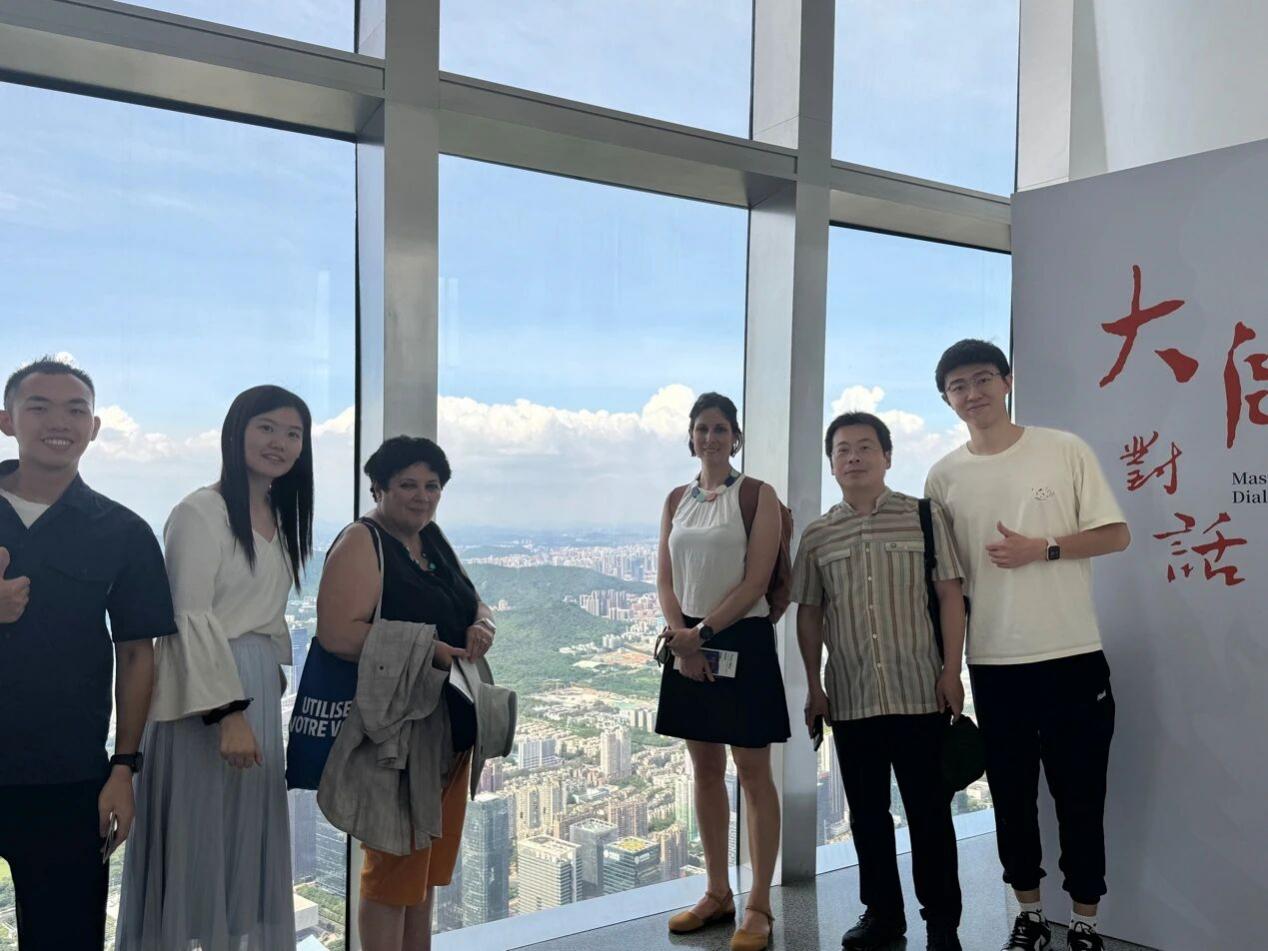
The same principle applies when selecting programs and potential supervisors. Deng does not see applications as a one-way evaluation by universities. Instead, he views them as a process of mutual selection.
Beyond institutional reputation and available resources, applicants should ask themselves whether a particular research direction, supervisor, and team environment genuinely align with their goals and working style.
He encourages students to follow their own interests rather than external expectations.
At the same time, he notes that doctoral applications require patience. The process often begins as early as the second year of a master’s program, while outcomes may not become clear until the final semester. Maintaining emotional stability throughout this long preparation period is therefore equally important.
Lessons from Research: Start with the Question
Among all the experiences of graduate study, one research project left the deepest impression on Deng.
After taking over the project following a summer program, he spent nearly three years advancing it through intensive experimentation and accumulated a large body of results.
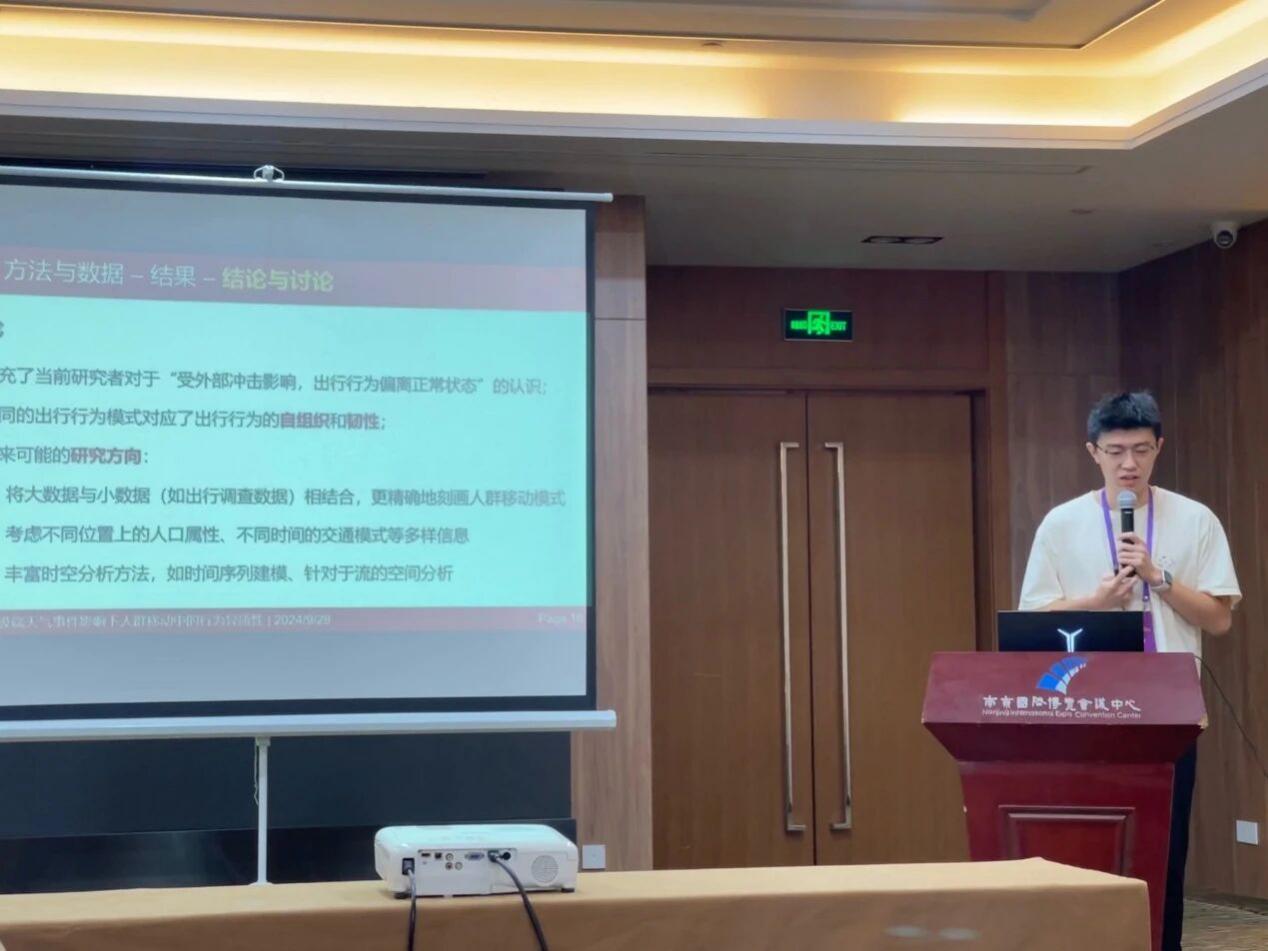
However, when the project approached completion, he realized that the study had never clearly defined its central question or core hypothesis.
Although the project generated abundant data and extensive experimental outputs, the overall structure lacked coherence. Much of the work existed as disconnected pieces, and only a small portion could ultimately support a clear narrative and meaningful conclusions.
This experience became an important turning point in his understanding of research.
He realized that before beginning any major project, researchers must ask difficult questions:
·Is the research question clearly defined?
·Does the project contain sufficient novelty and potential contribution?
·Can the core hypotheses be established and tested effectively?
·Does the experimental design genuinely serve the research objective?
Only after answering these questions should implementation begin.
For Deng, rigorous preparation and sustained reflection are what allow research to move beyond accumulating results and toward producing findings that are both convincing and meaningful.
Reflections on Becoming an Outstanding Graduate
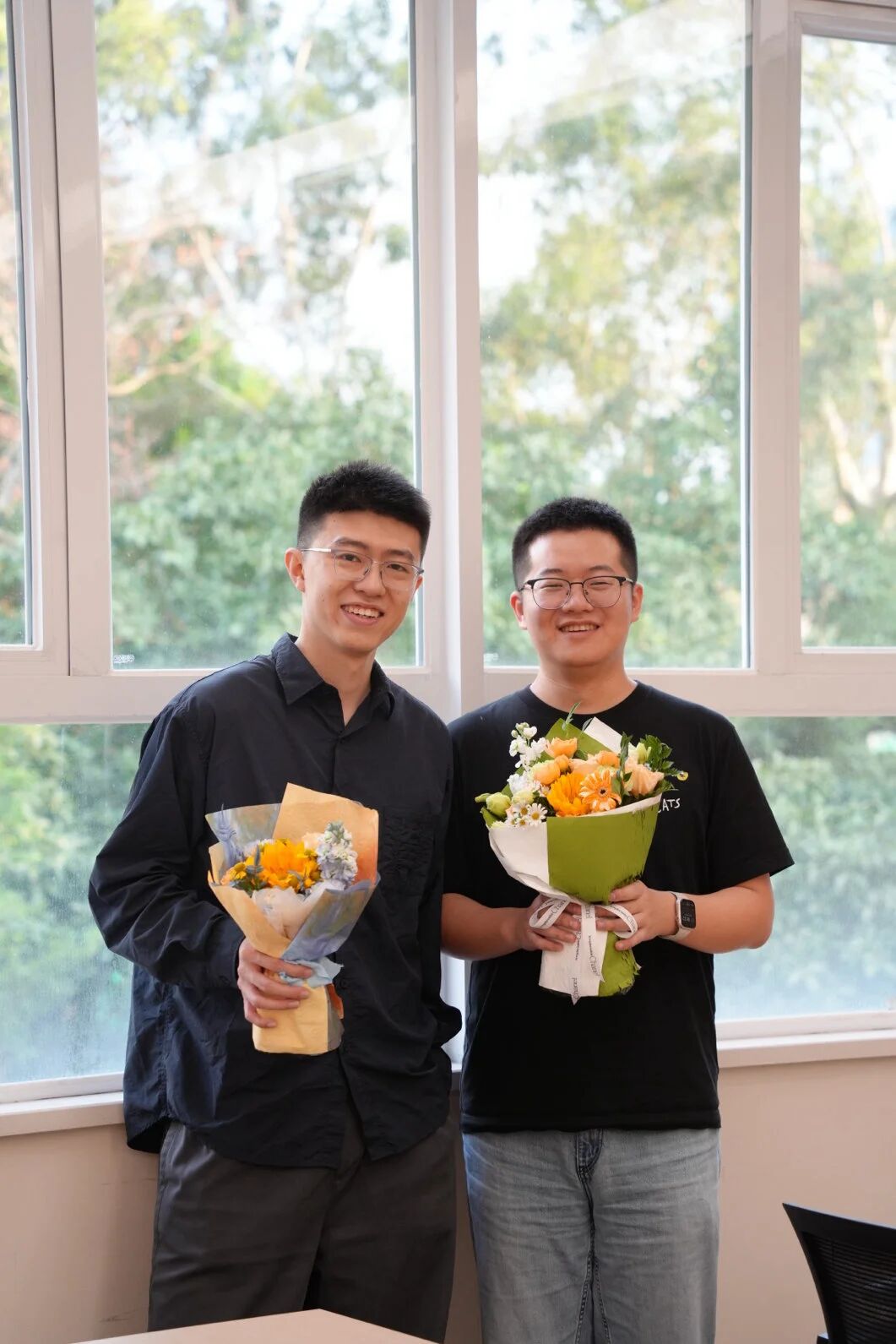
Receiving the title of Outstanding Graduate, Deng says, felt both rewarding and humbling.
He expressed particular gratitude to his supervisor, Assistant Professor Gong Zhaoya, whose guidance and support throughout his master’s studies contributed significantly to his academic development and personal growth.
When asked whether he has advice for younger students, his answer is straightforward:
Focus your attention on yourself.
Whether facing competition, evaluation, or uncertainty, the most meaningful approach is to concentrate on doing the work in front of you well and telling your own story honestly.
The outcome may not always be controllable—but the effort and sincerity invested in the process remain fully within one’s hands.
A Message for the Future
Deng chose a phrase from classical Chinese philosophy to summarize his outlook:
“Practice non-interference, yet leave nothing undone.”
For him, this does not mean passivity. Rather, it reflects the ability to act diligently while respecting the natural rhythm of growth and avoiding attachment to immediate outcomes.
After doing one’s best, it is equally important to allow events to unfold naturally—to avoid being consumed by temporary gains and losses.
His message to fellow students is simple:
Remain clear-minded, and remain relaxed.
Have the courage to move forward, and the ability to make peace with yourself.
Honors and Research Achievements
Honors and Awards
·Peking University Model Student
·Peking University Outstanding Graduate
Research Achievements
·Published six papers in international journals and conferences including International Journal of Geographical Information Science (IJGIS) and ACM SIGSPATIAL
