Outstanding Graduate Profile
Xu Heng

Master’s Program, Class of 2023
Major: Territorial Spatial Planning (Human Geography and Urban–Rural Planning)
Supervisor: Associate Professor Tong De
Hometown: Rizhao, Shandong Province
Undergraduate Institution: Beijing Sport University
Interests: Hiking, rowing, cycling, swimming, and running
Post-graduation Destination: Pursuing a Ph.D. abroad
As graduation approaches, we spoke with Xu Heng, an Outstanding Graduate from the School of Urban Planning and Design. Standing at the meaningful intersection between departure and new beginnings, she reflected on more than a thousand days spent at Peking University Shenzhen Graduate School. As an observer, participant, and dedicated learner, she witnessed and experienced firsthand the unique growth journey shared by her generation of students. Through her story, we see how young scholars respond to the challenges of their time: by remaining grounded, embracing responsibility, and continually reshaping themselves through action.
Rooted in the Field: Reimagining Academic Inquiry Beyond the Ivory Tower
For many people, academic research is associated with quiet libraries and sophisticated models. For Xu Heng, however, the vitality of scholarship was cultivated in fields, villages, and communities.
As a student of territorial spatial planning, her research focuses on rural development and urban–rural integration in China. She recalls that one of the most important lessons she learned from her supervisor, Associate Professor Tong De, was that planning is never merely a matter of maps or reports—it is ultimately about people’s livelihoods and well-being.
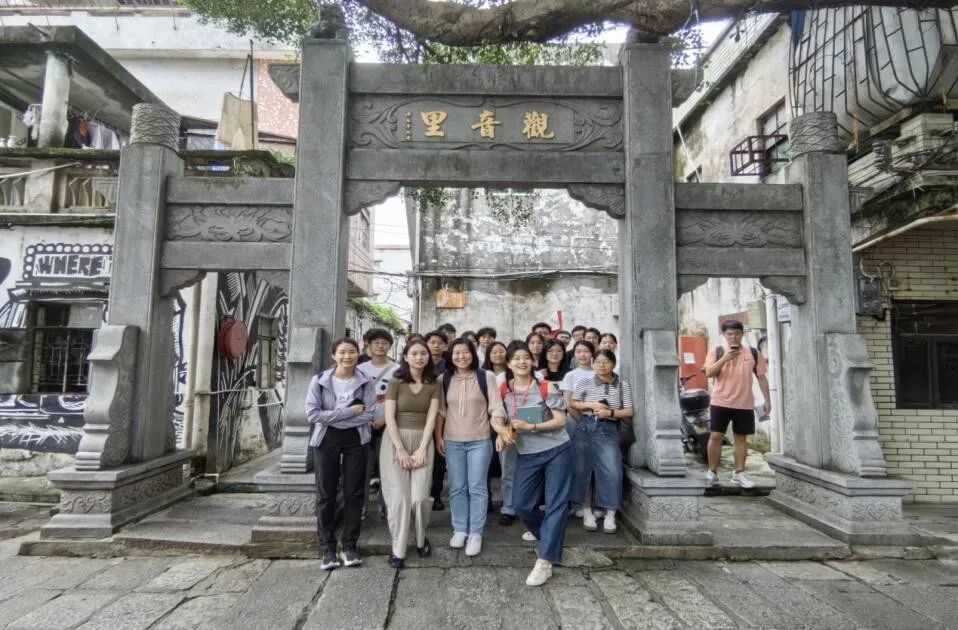
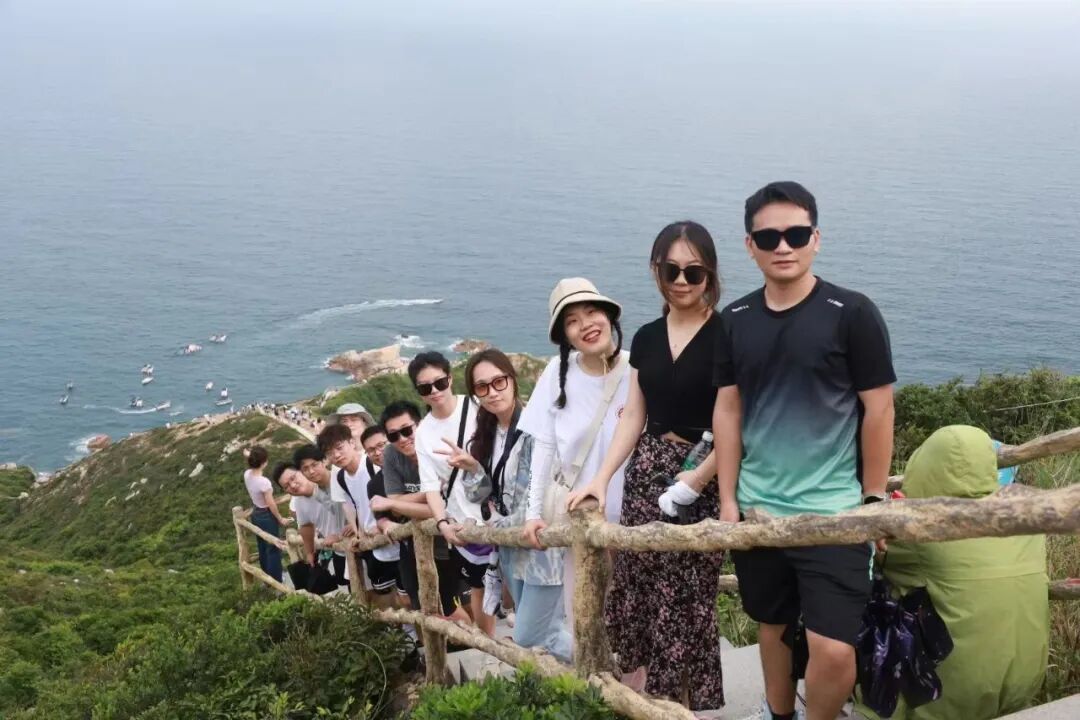
Driven by this belief, Xu sought to understand the real impacts of rural land system reform by engaging directly with local communities. Rather than relying solely on secondary materials, she joined field investigations in places such as Anji in Zhejiang Province, the Shenzhen–Shanwei Special Cooperation Zone, and Meizhou in Guangdong Province while participating in research projects on rural land system reform and comprehensive land consolidation.
The interviews conducted under the summer sun, conversations with villagers, and data collected in local government offices eventually became the foundation of her academic publications.
These experiences also shaped the questions she chose to investigate. Her work explored issues such as how peripheral “enclave” areas around megacities can help absorb residential demand and how jobs–housing imbalances may contribute to deeper social challenges. Through these studies, she developed a stronger sense of responsibility as a planner and a greater appreciation for the role of academic research in addressing real-world problems.
In her view, the most valuable aspect of her training at Peking University was learning to understand China through data while also understanding its future through fieldwork.
The Doctoral Application Journey: Let Aspirations Bloom Along the Way
Xu describes her doctoral application process as a period of sustained planning, self-reflection, and growth.
Looking back, she believes that successful applications begin with early preparation. Identifying a research direction and developing a long-term academic plan are especially important for students considering overseas doctoral programs, where research achievements and application materials often need to be developed simultaneously.
She also emphasizes the importance of time management. Application preparation can easily overlap with ongoing research responsibilities, making advance planning essential for maintaining both productivity and balance.
When preparing application materials and interviews, Xu focused on presenting her experiences authentically and clearly. She sought to highlight not only the outcomes of her research but also the significance of the questions she had explored. At the same time, she worked to ensure that her future research plans were both feasible and closely aligned with the interests of potential supervisors.
Reflecting on the process, she credits her success to the support of mentors, family members, classmates, and friends, as well as to years of research training, continuous learning, and sincere academic communication. Together, these elements enabled her to navigate the many challenges of the application journey.
Equally important, she believes, was maintaining a stable mindset. True confidence does not come from comparison with others or from short-term success; it comes from quiet self-assurance combined with humility. While diligence and rational planning are essential, she also learned to appreciate the process itself, remain optimistic when things did not go as planned, and find enjoyment even during difficult periods.
As she puts it, life is a marathon run in one’s own time zone. Rather than pursuing perfection, students should focus on preserving their energy, solving problems steadily, and becoming the person they aspire to be.
Lessons from Rowing: The Power of Teamwork and Persistence
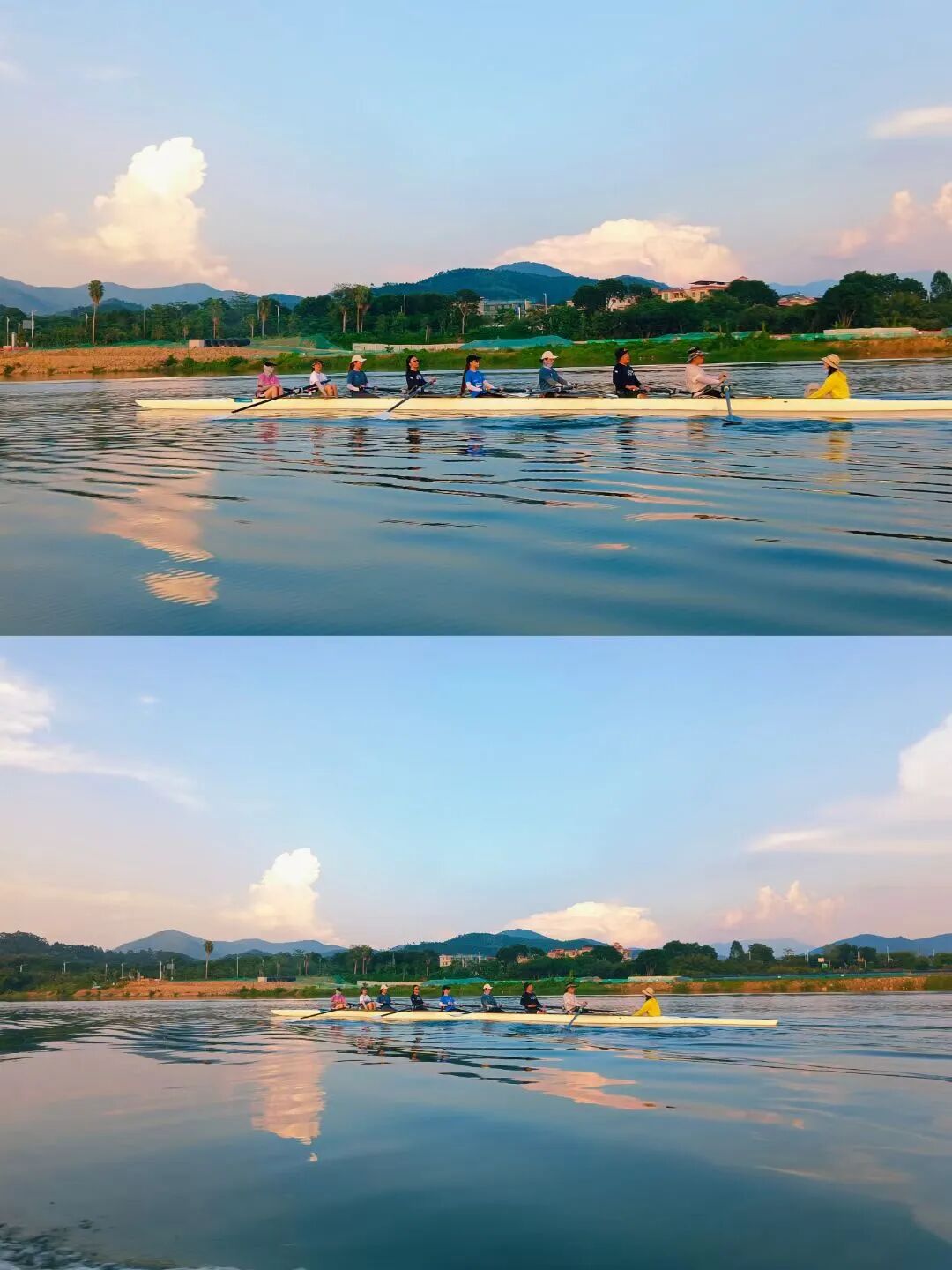
If research helped Xu pursue knowledge, rowing became one of the most transformative experiences of her graduate life.
Over more than 800 days, she progressed from substitute athlete to team leader, coxswain, rower, and eventually a key organizer within the rowing team. Along the way, she experienced countless early mornings, intensive training sessions, competitions, setbacks, and moments of collective achievement.
One of her proudest memories was contributing to the Peking University Shenzhen Graduate School rowing team’s overall championship victory at the Fourth X9 Rowing Competition.
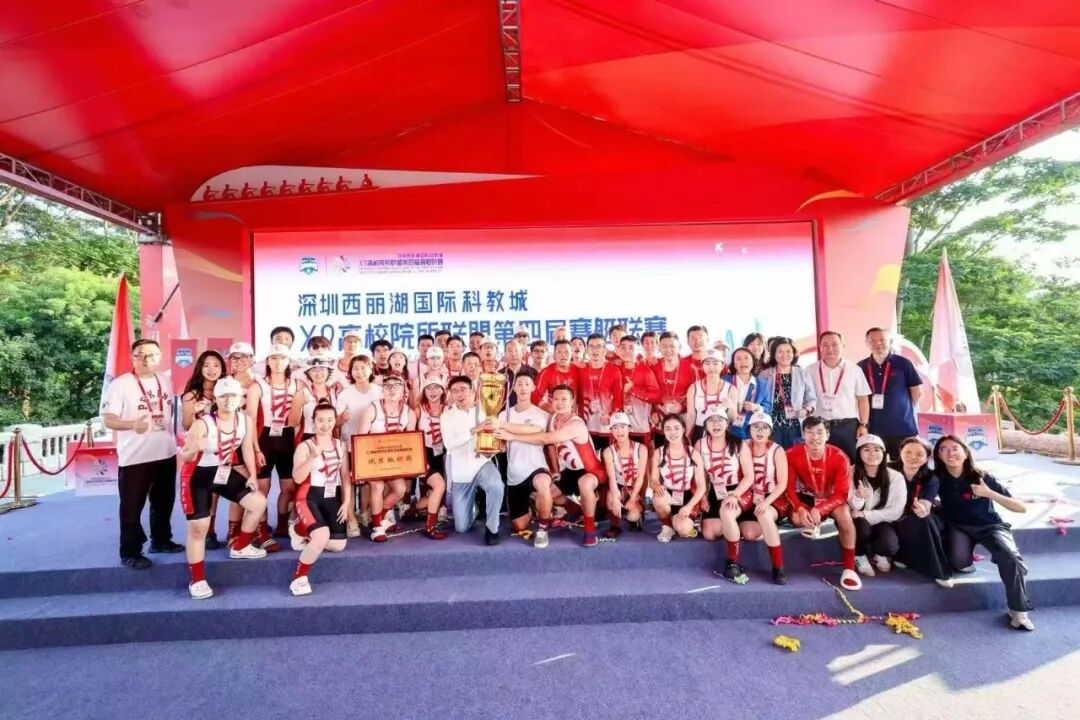
For Xu, rowing is much more than a sport. It is an exercise in discipline, trust, and collaboration. Every stroke, every breath, and every adjustment must be perfectly synchronized among teammates. Success depends not on individual brilliance but on collective coordination.
The lessons she learned on the water continue to shape her outlook on life. Rowing taught her that perseverance matters most when one is exhausted, and that true teamwork sometimes requires stepping back for the benefit of the group. Whether in research, work, or personal development, she believes these qualities remain invaluable.
“Life is a lot like rowing,” she reflects. “Victory and defeat, gains and losses, are all experiences. As long as we keep moving forward, every experience contributes to growth.”
Reflections on Excellence and Responsibility
When discussing the title of Outstanding Graduate, Xu believes that excellence should not be measured solely by grades, rankings, or academic achievements.
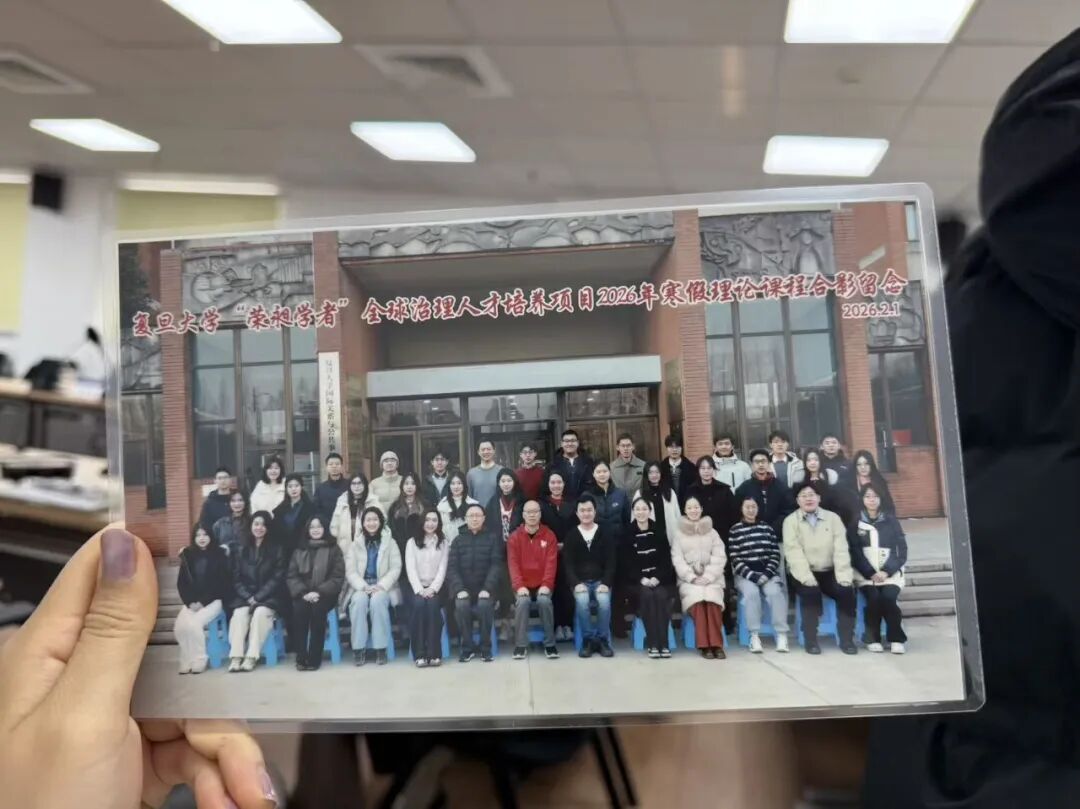
Graduation, she says, represents a leap from a familiar campus environment into an unknown future. At such a moment, it becomes important to ask a broader question: what responsibilities should a Peking University student carry in a rapidly changing society?
Her answer begins with choosing work that feels genuinely meaningful.
Meaningful pursuits are often difficult. They may provide little immediate reward and may even involve considerable uncertainty. Yet Xu believes that the deepest sense of fulfillment comes not from short-term gratification but from completing challenging tasks that require sustained commitment and effort.
This willingness to embrace uncertainty, she argues, is closely tied to a sense of social responsibility. Whether pursuing academic research, working at the grassroots level, or contributing to technological innovation, each graduate faces choices that may not always appear practical in the short term. However, if those choices contribute to the well-being of society and serve a larger purpose, they are worth pursuing.
In her view, one defining characteristic of Peking University students is the conviction to continue forward even when outcomes remain uncertain. Believing in the value of one’s work becomes a powerful way to overcome anxiety, resist complacency, and remain committed to meaningful goals.
Gratitude and Looking Ahead
As she prepares to begin the next chapter of her academic journey, Xu expresses deep gratitude to the Shenzhen Graduate School, the School of Urban Planning and Design, her teachers, classmates, friends, and everyone who supported her throughout her studies.
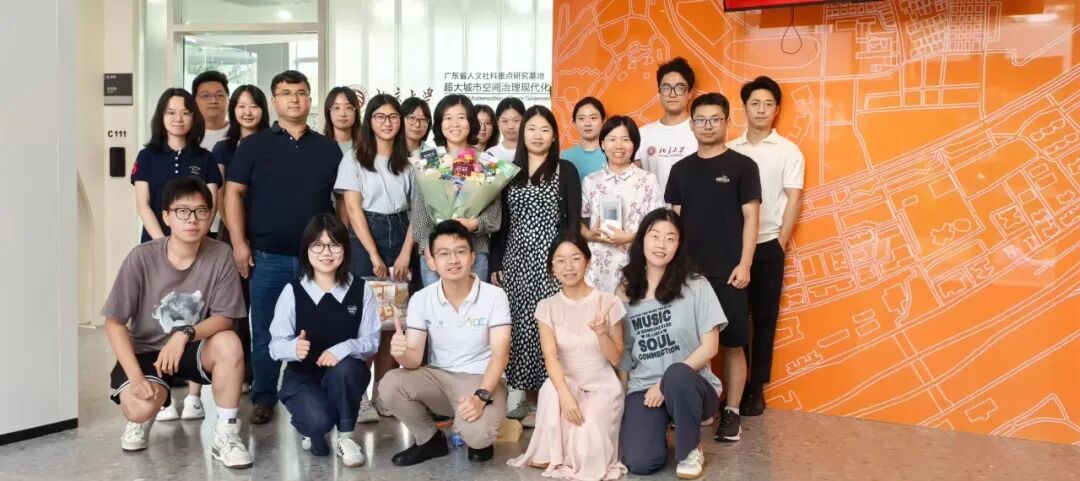
She regards every conversation, every act of kindness, and every piece of guidance as an important part of her growth. The relationships she built during graduate school remain among the most valuable aspects of her experience.
Looking ahead, she hopes to continue studying the complexity and uniqueness of China’s urban and rural development within a global academic context. Beyond acquiring knowledge, she aspires to become a storyteller who helps communicate China’s experiences and perspectives to the wider world.
Her message to younger students is both simple and heartfelt:
“Every day of effort brings distant goals a little closer.”
She encourages students to pursue meaningful challenges, embrace uncertainty with courage, and trust in the value of their work. Even when the destination remains unclear, those who continue moving forward with conviction are already demonstrating a quiet form of heroism.
Honors and Research Achievements
Honors and Awards
·National Scholarship
·Beijing Merit Student
·Peking University First-Class Scholarship
·Peking University Model Student, among others
Research Achievements
·Published academic papers in leading Chinese journals including China Land Science, Geographical Research, Urban Planning Forum, and Urban Development Studies
·Recipient of the Gold Award at the 7th Jin Jingchang China Urban and Rural Planning Graduate Paper Competition
·Received multiple Outstanding Paper Awards at academic conferences
