Outstanding Graduate Profile
Liu Yiming
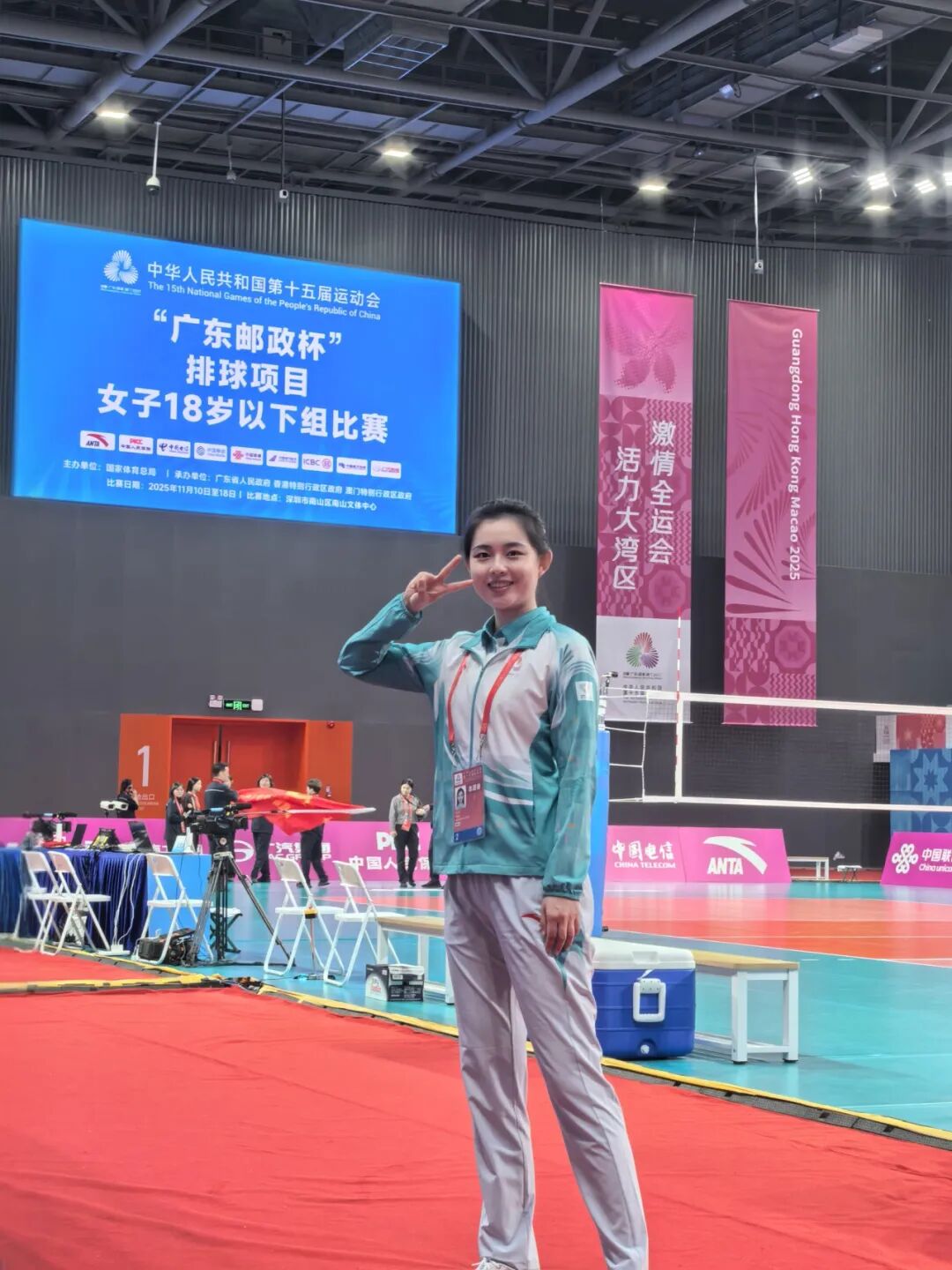
Ph.D. Program, Class of 2023
Major: Ecology
Supervisor: Professor Zeng Hui
Hometown: Harbin, Heilongjiang Province
Undergraduate Institution: Minzu University of China
Interests: Music, gaming, and travel
Post-graduation Destination: Northeast Forestry University
For Liu Yiming, graduate education has been as much about understanding herself as it has been about understanding the world. Looking back on her years at Peking University, she describes research as a process of constant questioning, reflection, and growth. Through academic exploration, career decisions, and lessons learned from setbacks, she gradually developed a clearer sense of purpose and a deeper understanding of her own aspirations.
Learning to Ask the Right Questions
Liu candidly admits that scientific research did not come naturally to her at first.
In the early stages of her academic journey, she believed that applying the same methods to different regions and generating new datasets would naturally lead to meaningful new findings. Her supervisor, however, often challenged her with a simple question: “Why are you doing these analyses?” Similar concerns later emerged during the peer-review process, when reviewers pointed out that some findings lacked broader applicability and international relevance.
Over time, Liu realized that these critiques all pointed to the same fundamental issue: What scientific question is the research actually trying to answer?
That question continues to guide her work today. Whether designing experiments or writing manuscripts, she now regards it as an essential starting point. Although she still occasionally struggles to identify the central focus of a study, she has become far more aware of where her efforts should be directed.
For Liu, research is ultimately a process of trial and error—of being challenged, refining ideas, and continually improving. As long as the direction is meaningful, she believes, progress will come through persistence and gradual accumulation.
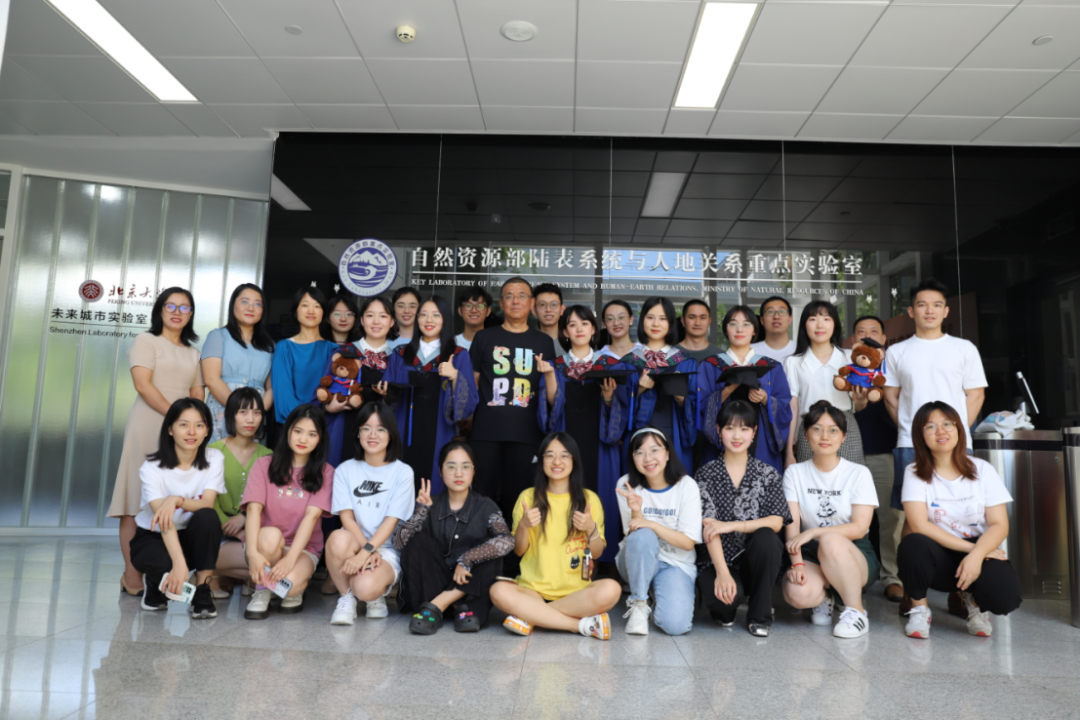
Finding a Path Forward
Like many graduate students, Liu experienced periods of uncertainty when considering her future.
Throughout that process, conversations with teachers, classmates, and friends played an important role in helping her clarify her goals. During her first year, Professor Li Guicai encouraged students to cultivate the ability to focus deeply on a chosen path. That advice helped her recognize the importance of commitment once a decision has been made.
Later, discussions with Professor Tong De, her class advisor, helped alleviate some of her concerns regarding career development and long-term planning. She also frequently consulted with her supervisor during the job search process, gradually gaining a clearer understanding of her strengths and the professional environments that might suit her best.
Through conversations with friends who had already entered the workforce, she came to realize that career decisions are rarely based on salary or position alone. Equally important are questions of purpose, fulfillment, and whether a particular role aligns with one’s values and sense of identity.
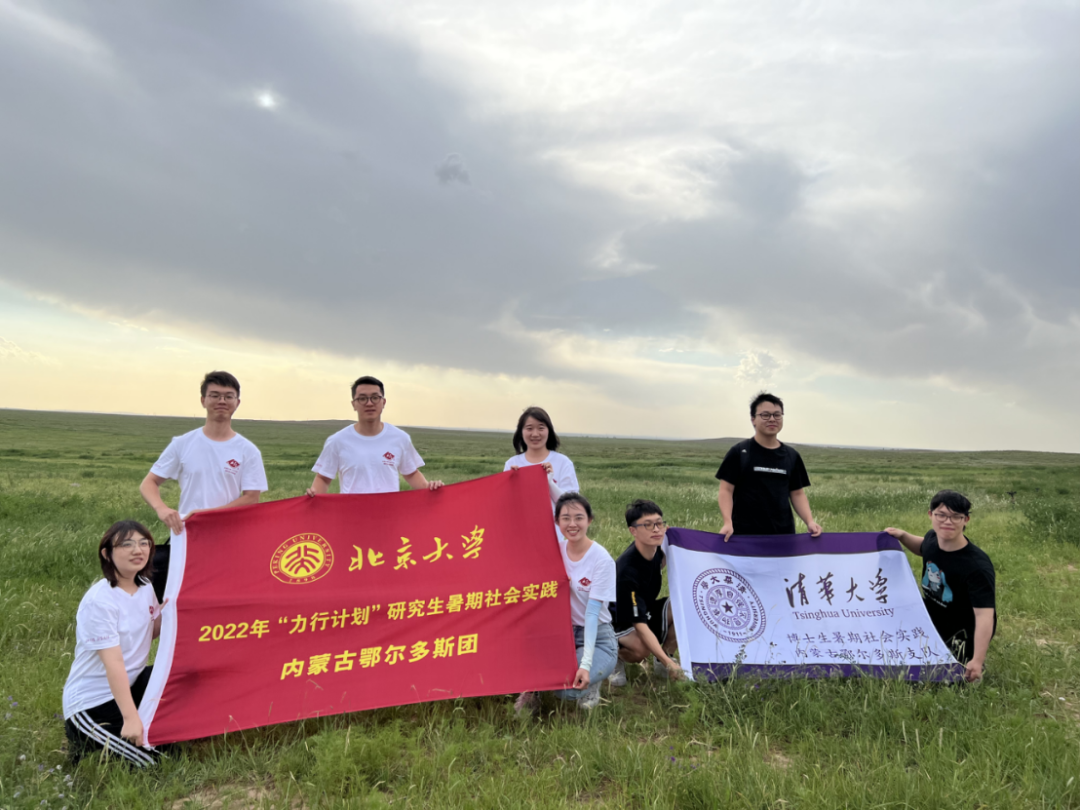
Liu also credits Peking University with providing opportunities to explore different career possibilities through summer social practice programs, industry visits, and other experiential learning activities. In her view, career decisions are not made all at once; they emerge through continuous communication, experience, and self-reflection.
Ultimately, she chose to join Northeast Forestry University after graduation—a decision she regards as the most suitable choice based on her interests, experiences, and aspirations at this stage of her life.
Learning from Rejection and Failure
When discussing setbacks, Liu notes that manuscript rejection is perhaps the most common experience in academic research.
At first, receiving a rejection felt discouraging, as though her efforts had been dismissed. With time, however, she came to view rejection differently. Reviewer comments often revealed weaknesses in logic, unclear arguments, or unanswered questions that required further thought. Rather than signaling failure, these critiques became valuable opportunities for improvement.
In her experience, academic papers develop their strongest arguments through multiple rounds of feedback and revision.
Beyond publication setbacks, Liu also experienced disappointment when applying for a summer study program in Austria and for doctoral research funding. Although these outcomes were frustrating, she found that the application process itself was highly beneficial. Preparing materials required her to organize her previous achievements, articulate future research plans, and assess areas where she still needed improvement.
These experiences taught her that opportunities do indeed favor those who are prepared—but a temporary lack of success should not be interpreted as a judgment on one’s overall potential. Research and personal development are long-term processes rather than single competitions. Advancing steadily at one’s own pace, she believes, is often the most sustainable path forward.
Reflections on Becoming an Outstanding Graduate
Liu views the title of Outstanding Graduate as the result of long-term growth rather than a specific goal to be pursued directly.
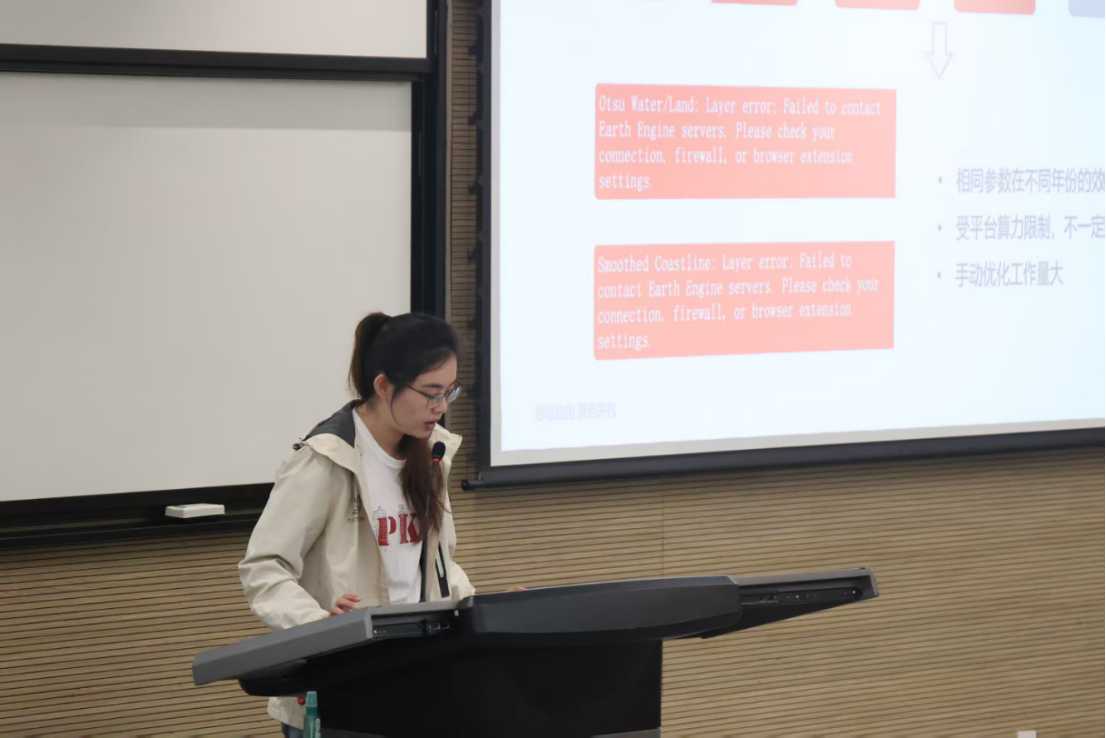
In fact, she found the Outstanding Graduate defense process itself particularly inspiring. Listening to fellow students present their accomplishments allowed her to see the many different ways people make use of their time at university. Some students pursued highly specialized research, while others explored opportunities beyond academia.
For Liu, these experiences provided a valuable opportunity to “see the world.” They revealed possibilities she had not previously considered and encouraged her to think about what other challenges and opportunities might lie within her own reach.
Observing outstanding peers broadened her perspective and motivated her to continue expanding her understanding of what is possible.
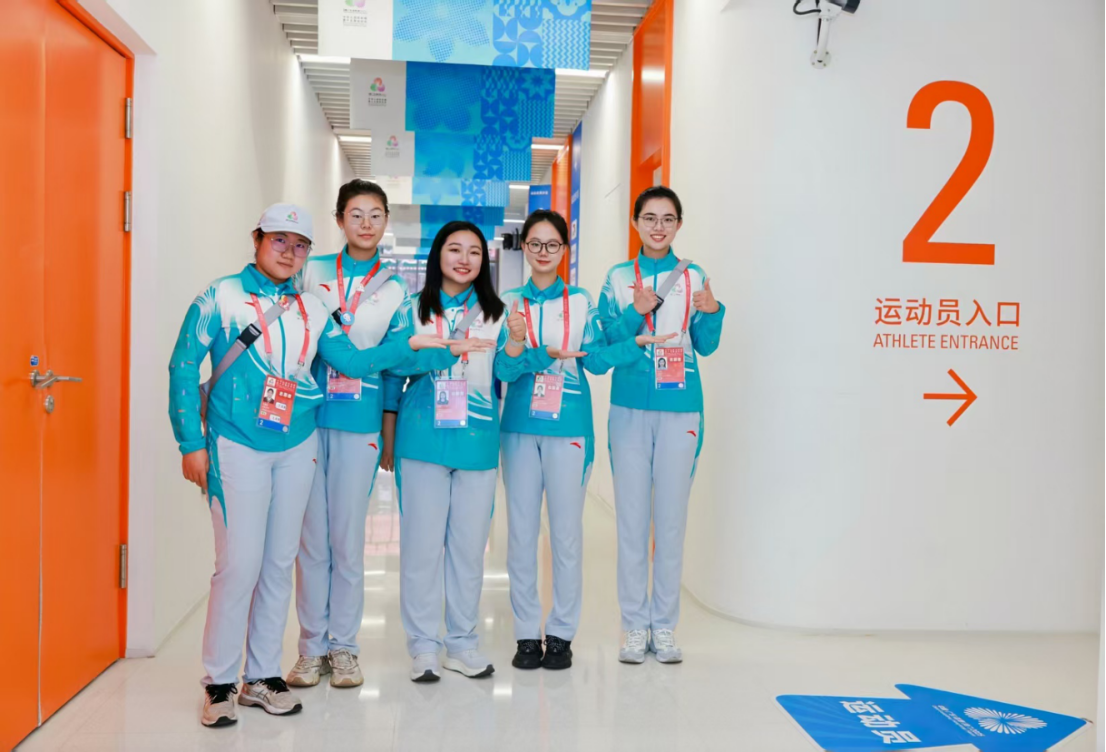
Seeing the World, Understanding Yourself
Reflecting on her years at Peking University, Liu feels fortunate to have been surrounded by talented and inspiring people.
What impressed her most was not simply their accomplishments, but also the ways they approached problems, their resilience in the face of challenges, and their clarity when making important decisions. Learning alongside such individuals broadened her perspective and contributed significantly to her personal growth.
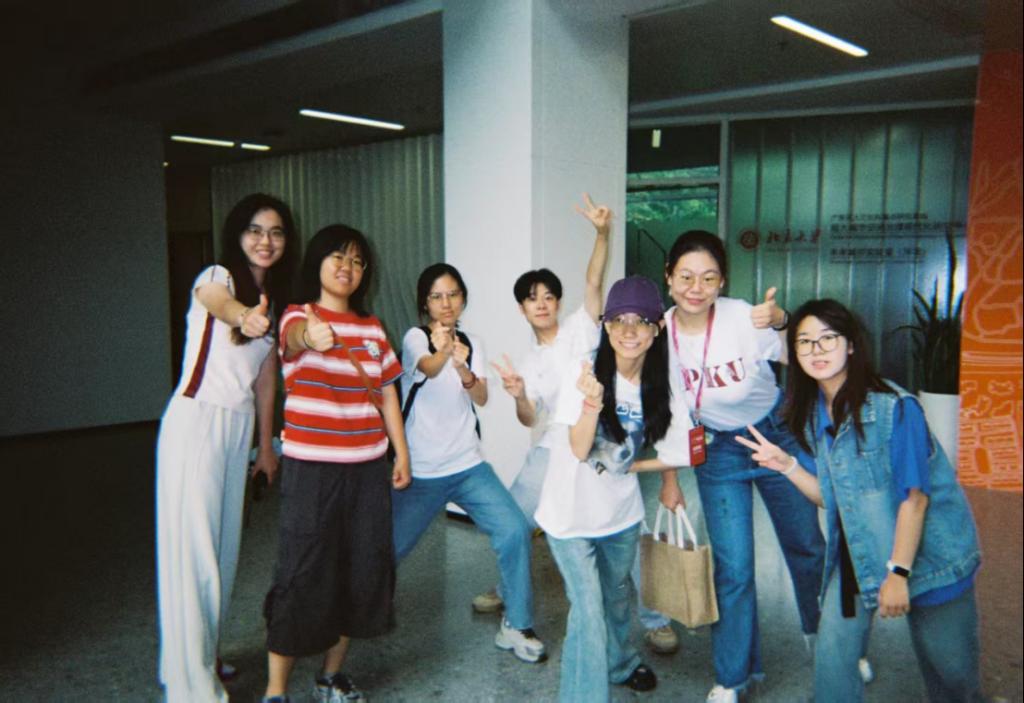
She is equally grateful for the guidance, encouragement, and companionship she received from teachers, classmates, and friends. Many of the most important changes in her life did not occur all at once, but gradually emerged through conversations, advice, and support accumulated over time.
Looking ahead, she encourages younger students to make full use of the opportunities available at Peking University. She hopes they will engage with people from diverse backgrounds, explore a wide range of experiences, and pay close attention to the activities that genuinely inspire them and provide a sense of purpose.
Through broader horizons and richer experiences, she believes students can gradually discover what they truly want and develop a deeper understanding of themselves.
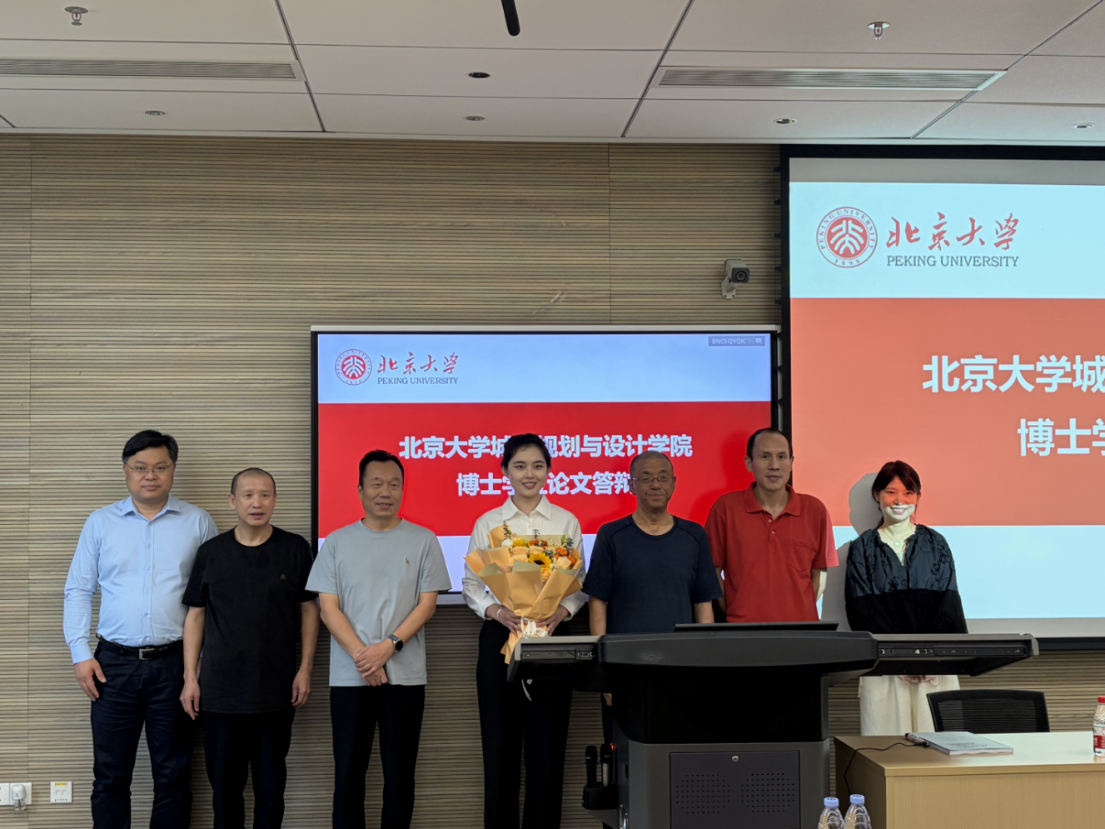
Message to fellow students:
“See the world, and understand yourself.”
Honors and Research Achievements
Honors and Awards
·Peking University Outstanding Graduate
·National Scholarship
·Li Huirong Scholarship
·Peking University Merit Student
·Outstanding Research Award
·Outstanding Individual, “Lixing Program”
Research Achievements
·Published 15 academic papers
·Published six first-author papers in journals including Environmental Impact Assessment Review and Journal of Environmental Management
Student Leadership
·Vice Monitor, Doctoral Class, School of Urban Planning and Design
·Deputy Director, Arts Department, School of Urban Planning and Design
