Outstanding Graduate Profile
Liu Benteng
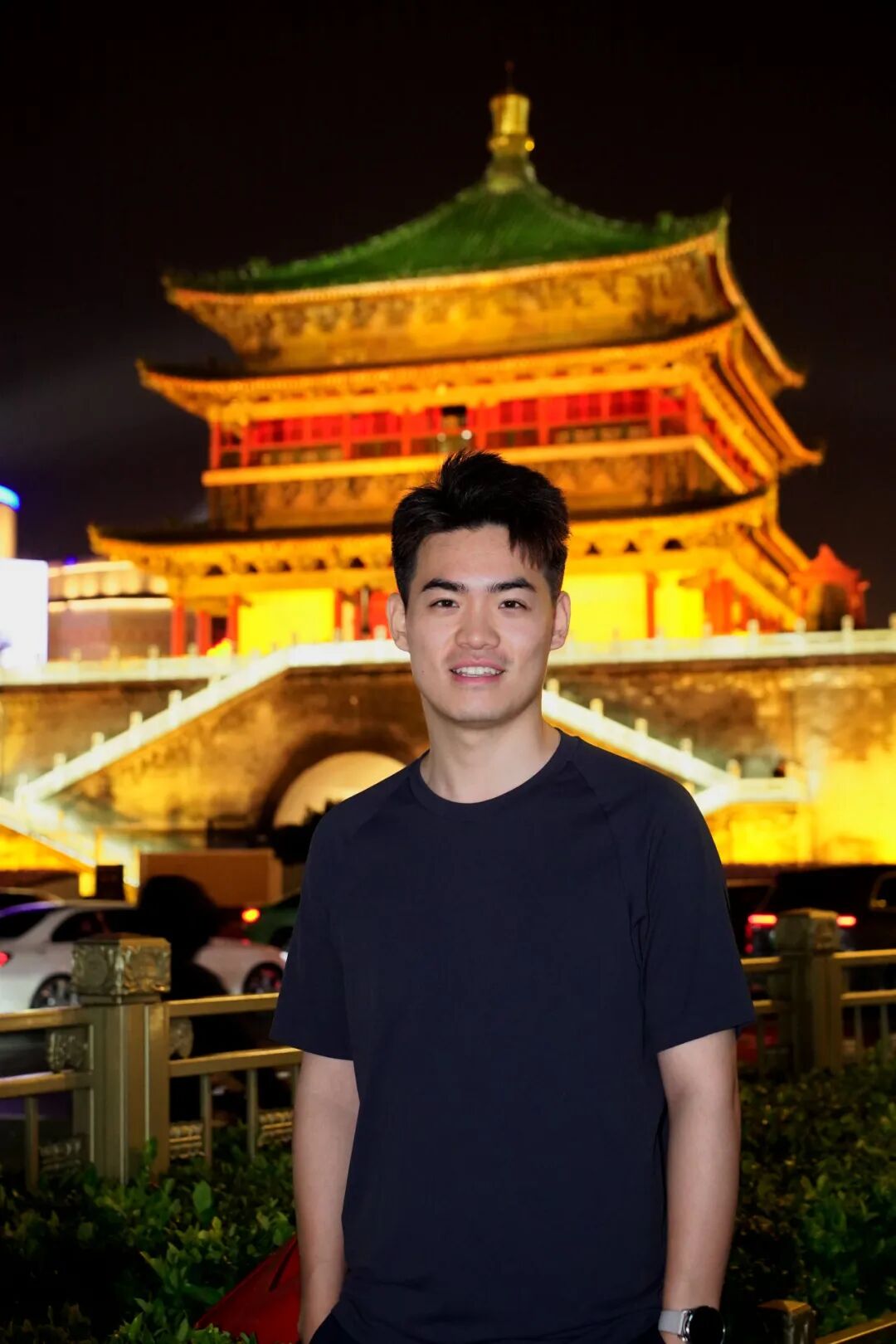
Master’s Program, Class of 2023
Major: Territorial Spatial Planning (Urban and Rural Public Services)
Supervisor: Professor Yang Jiawen
Hometown: Suzhou, Anhui Province
Undergraduate Institution: Jilin University
Interests: Walking and travel
Post-graduation Destination: Selected Civil Servant Program
For Liu Benteng, graduate education has been a journey of continually moving closer to people and the realities of everyday life. From studying sociology as an undergraduate to researching urban and rural public services at Peking University, he has sought to understand not only how society functions, but also how public services reach and improve people’s lives. Looking back on his graduate years, he reflects on research, public service, personal growth, and the importance of staying grounded.
Understanding People Through Research
Liu often jokes that he first studied sociology—a discipline many people associate with understanding society—and then pursued territorial spatial planning, which is sometimes mistakenly seen as merely drawing plans and maps. In his view, however, the two fields are deeply connected.
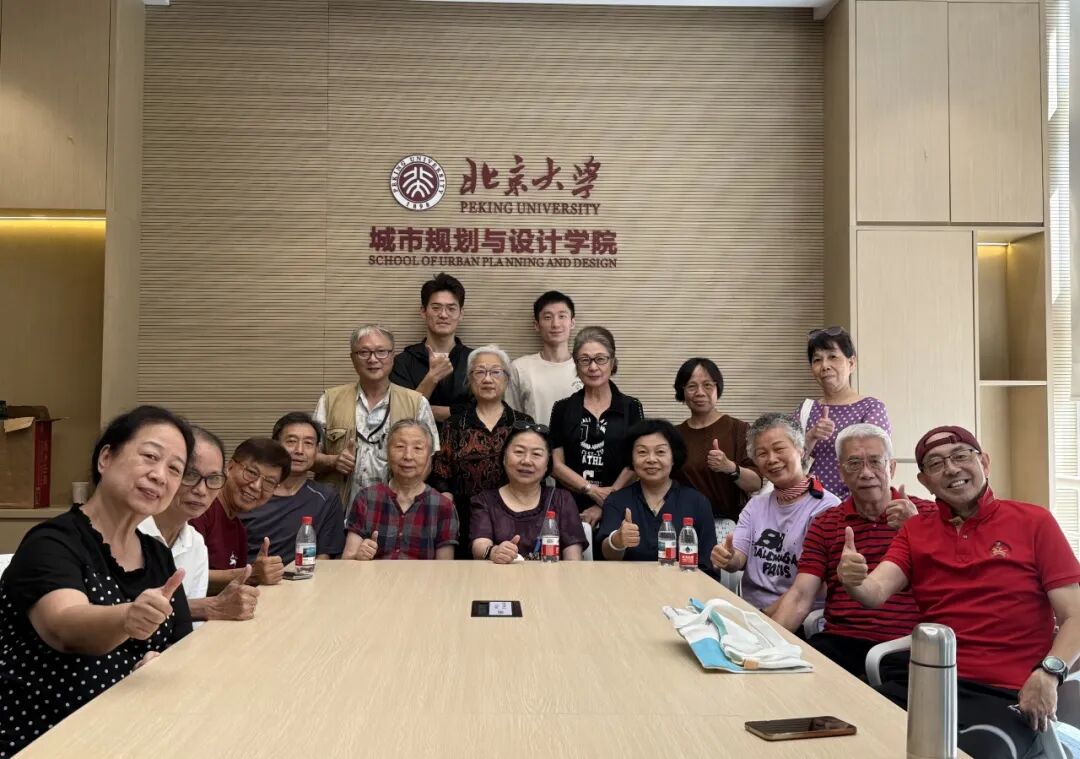
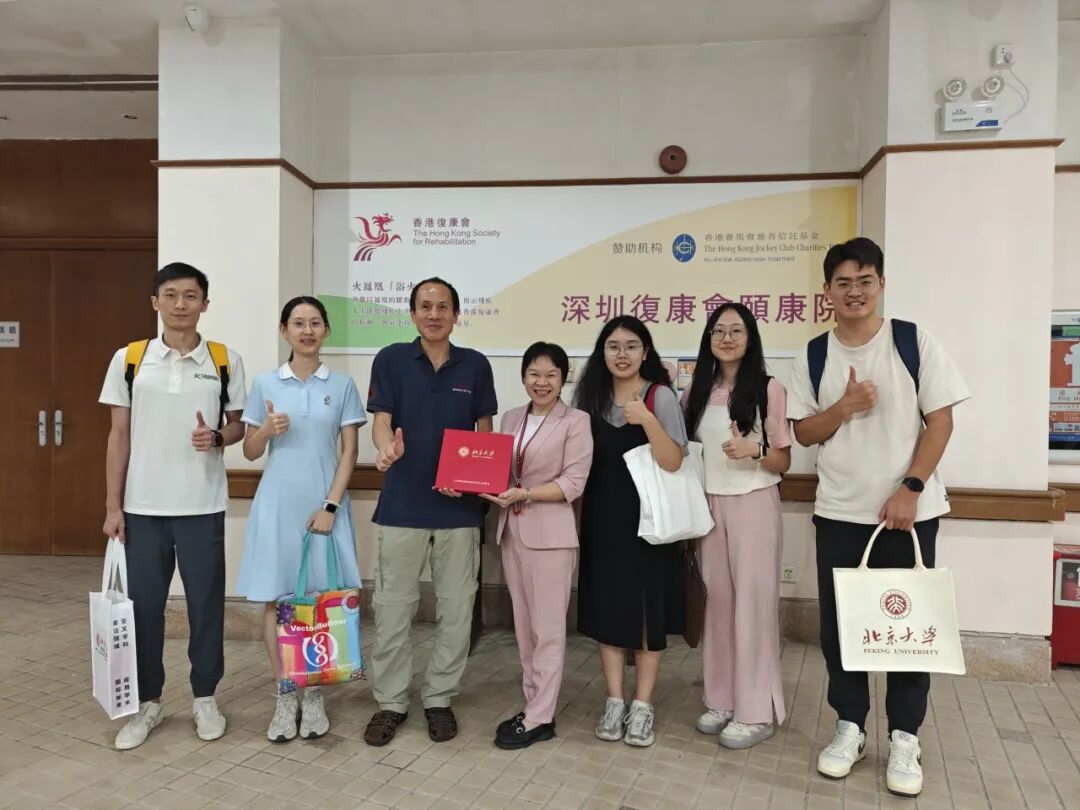
As an undergraduate in sociology, he focused on how people live and how society operates. During his master’s studies, he came to see the people behind spaces through his research on urban and rural public services. His thesis focused on cross-boundary institutional eldercare in the Guangdong–Hong Kong–Macao Greater Bay Area. Through fieldwork conducted in Hong Kong, Shenzhen, Guangzhou, and Foshan, he found that older adults were less concerned with abstract concepts than with practical questions: whether healthcare services could be seamlessly connected, whether welfare benefits could continue across regions, and whether they could enjoy a secure and dignified later life.
His subsequent participation in studies of community-based home care services in Shenzhen further strengthened this understanding. Through these projects, he observed how meal programs, home visits, and mutual-support services were gradually delivered to elderly residents. Reflecting on these experiences, Liu believes that sociology helped him understand people, while urban planning helped him understand how public services can effectively reach them.
Like many graduate students, Liu also experienced moments of anxiety. Research papers do not write themselves, and valuable interview data do not simply appear. During these challenging periods, his supervisor, Professor Yang Jiawen, often encouraged him to focus on answering one question clearly rather than trying to address everything at once.
Through this process, Liu gradually realized that good research is not about making grand statements but about building understanding through careful and concrete work. Likewise, good planning is not only about macro-level indicators or blueprints; it must ultimately return to the needs and experiences of individual people.
He credits much of his growth to Professor Yang’s mentorship. Throughout his graduate studies, Professor Yang respected his ideas, supported his choices, and provided guidance that encouraged independent thinking. Many of Liu’s most important lessons emerged through these conversations and discussions.
Lessons from Challenges and Failure
When asked about the most valuable lesson from graduate school, Liu emphasizes the importance of acknowledging one’s limitations before trying to prove one’s excellence.
At the beginning of his thesis research, he hoped to tackle a wide range of ambitious topics: the Greater Bay Area, cross-boundary eldercare, regional integration, public service coordination, and institutional connectivity. Yet as the writing process unfolded, he realized that large themes without sufficient evidence and clear logic can easily become superficial.
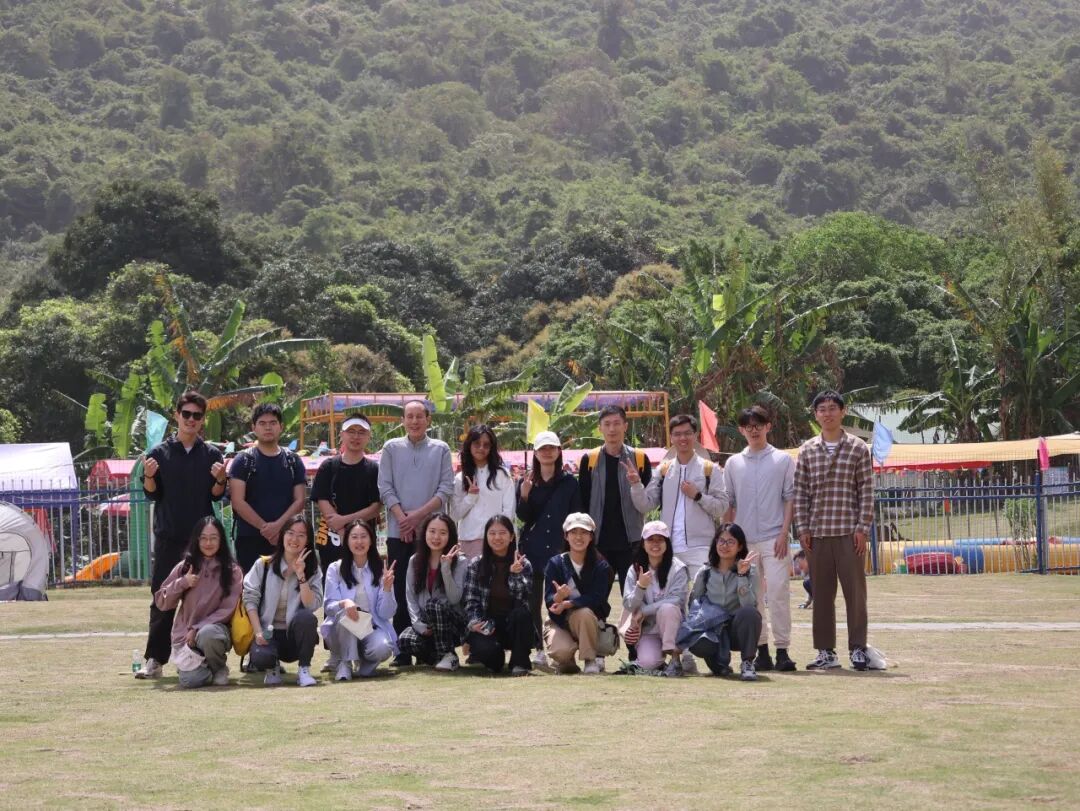
For a period of time, he struggled between wanting to write something broader and finding it difficult to express ideas clearly. Slow progress in interviews, complex data organization, and repeated revisions to the thesis structure all contributed to feelings of frustration.
Eventually, he learned that research is not about including everything. Rather, it requires sustained attention to a meaningful question and a willingness to examine details carefully. Only by understanding those details can a study develop a strong foundation.
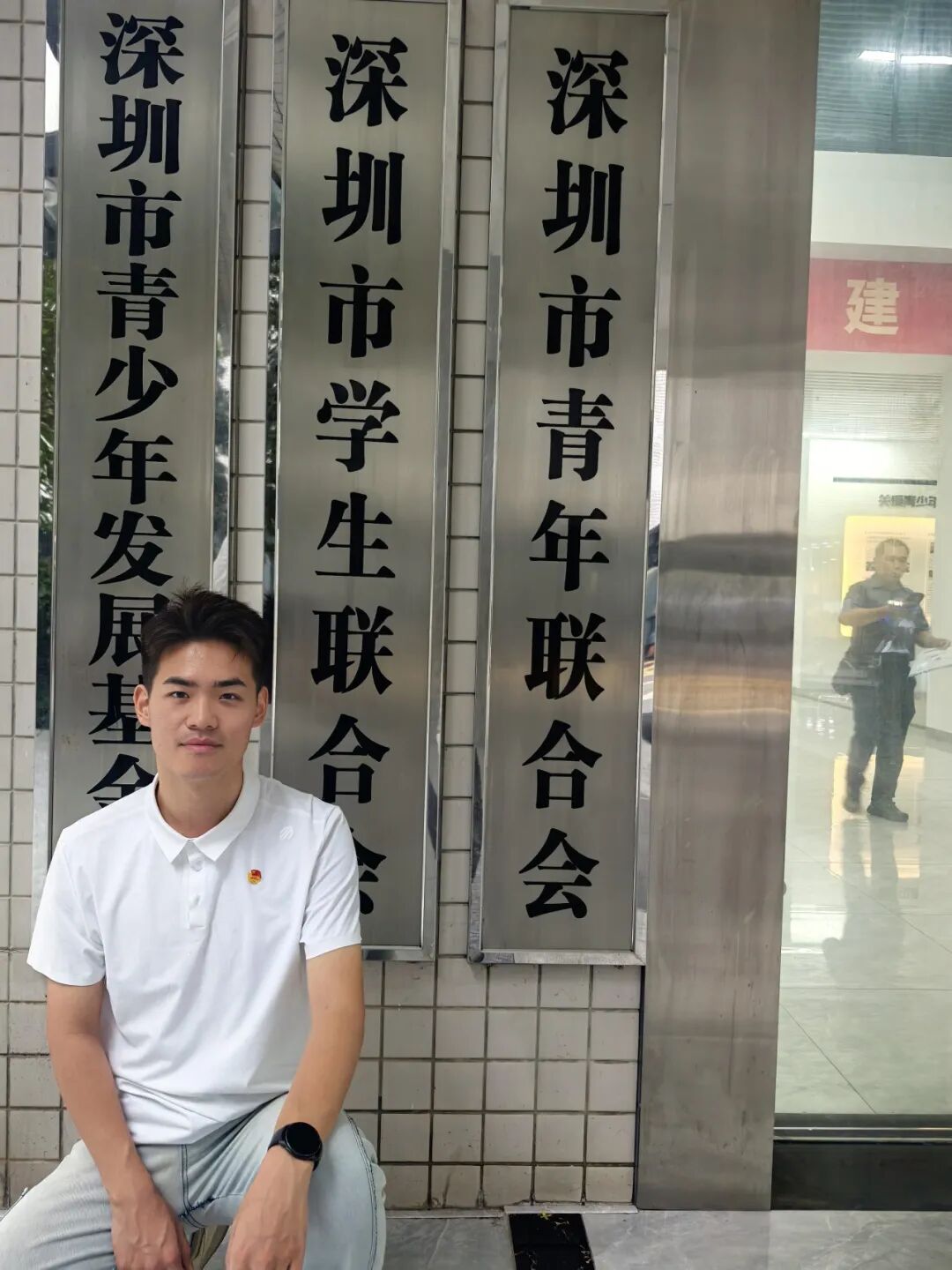
The same lesson applied to his student leadership experiences. As Party Branch Secretary of his class, Student Deputy Secretary of the Shenzhen Graduate School Youth League Committee, and Executive Chair of the Shenzhen Students’ Federation, he often faced significant pressure balancing academics, research, and organizational responsibilities.
Many efforts were not immediately visible, and not every challenge could be resolved quickly. Yet he came to realize that student leadership, much like research, depends on addressing concrete needs rather than focusing solely on outcomes. A single notice, a meeting, or a student seeking assistance often mattered more than any abstract notion of success.
Looking back, Liu believes that growth rarely happens in moments of recognition and applause. More often, it emerges from periods of difficulty, uncertainty, and persistence.
Choosing Public Service
After graduation, Liu chose to join the 2026 Selected Civil Servant Program in Jilin Province.
For him, this decision represents more than a career choice. It is also a return to a place that profoundly shaped his personal development.
Born in Anhui Province, Liu spent four formative years at Jilin University. When he first arrived in Changchun in 2019, the northern climate, unfamiliar city, and different cultural environment all felt distant. Yet the sincerity, warmth, and generosity of the local people soon gave him a strong sense of belonging.
During his undergraduate years, he repeatedly visited rural communities in Tongyu County, Jilin Province, conducting field research and engaging with local residents and grassroots officials. These experiences taught him that “the grassroots” is not an abstract concept but a collection of real people facing real challenges.
His years at Peking University further broadened his perspective. Shenzhen exposed him to the dynamic realities of China’s reform and opening-up, while the Shenzhen Graduate School introduced him to the intellectual traditions of Peking University. Through coursework, research projects, field investigations, and student leadership, he continually asked himself where his future efforts should be directed.
Over time, he became increasingly certain that part of his aspirations remained connected to Northeast China. Although he had multiple career options, he ultimately chose to return to Jilin and contribute what he had learned at Peking University to regional revitalization efforts.
In his view, Jilin offered him opportunities, shaped his character, and gave him a sense of purpose. Joining the selected civil servant program is therefore both a professional commitment and a personal response to that connection.
Reflections on Becoming an Outstanding Graduate
When discussing advice for younger students, Liu emphasizes the importance of becoming a well-rounded individual.
Academic research remains central to graduate education, but he believes students should not spend all their time in front of a computer screen. Research, practical engagement, independent thinking, teamwork, and personal well-being are all important components of growth.
His suggestions are straightforward:
Develop Broadly
Research should be the main focus, but not the entirety of graduate life. Student leadership, volunteer service, and social practice activities provide valuable opportunities to understand both one’s discipline and society. Many theoretical concepts become meaningful only through real-world experience.
Persist Through Difficulties
Graduate students often feel anxious when comparing themselves with others. Yet many achievements are built through small, consistent efforts. When a paper becomes difficult to write, revise a single paragraph. When materials seem overwhelming, begin with one article. Progress does not have to be dramatic to be meaningful.
Stay Connected
Maintaining communication with supervisors, classmates, and friends is essential. Meaningful conversations can help clarify confusion, reduce pressure, and foster a sense of belonging. Graduate education is not a solitary journey; it is a process in which people support and inspire one another.
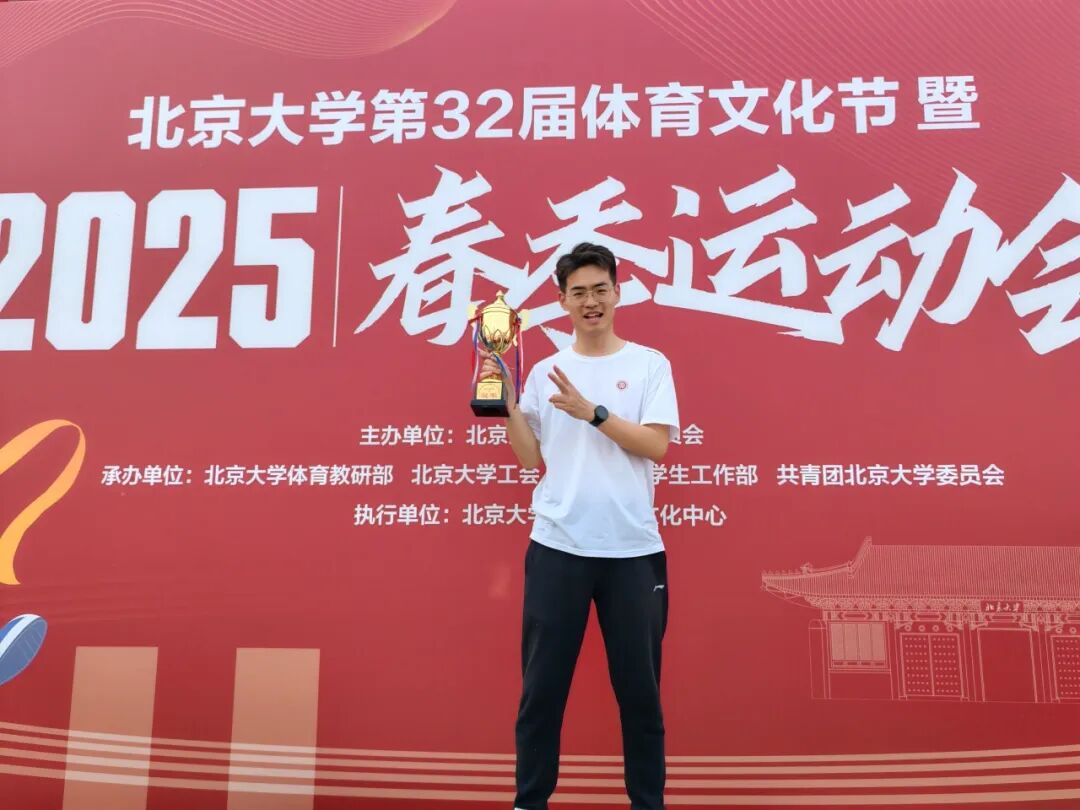
Ultimately, Liu summarizes his philosophy in a simple sentence:
“Keep your eyes on the ground and move forward with steady steps.”
By focusing on the task at hand and treating others with sincerity, he believes that many answers reveal themselves naturally over time.
A Message to Fellow Students
Reflecting on his years at Peking University, Liu considers himself fortunate. Jilin taught him resilience, responsibility, and the importance of understanding people at the grassroots level. Shenzhen broadened his horizons and exposed him to some of the most dynamic developments in contemporary China.
He is especially grateful to the School of Urban Planning and Design, which provided not only professional training but also a way of understanding the world. Through planning, he learned that scale can range from national strategies and urban futures to something as personal as a meal delivered to an elderly resident.
His message to younger students is clear: do not rush to become someone else’s version of “success.” Instead, focus on identifying what truly matters to you and commit yourself to it wholeheartedly.
Graduate school will inevitably bring uncertainty—whether through research challenges, unclear directions, or comparisons with peers. Yet growth is often quieter than expected. It may emerge after a field interview, during late-night revisions, or in the relief felt after completing a demanding project. One day, you may simply realize that you have become more capable, more understanding, and more resilient than before.
He encourages students to spend time beyond the classroom, engaging with communities, villages, businesses, neighborhoods, and the realities of urban life. While maintaining ambitious ideals, they should also cultivate the ability to understand the everyday experiences of ordinary people.
“May we all contribute our efforts to the broader development of society. Wherever the future leads us, let us remember that good planning ultimately serves people, and that a meaningful youth should be devoted to the places where the nation and its people need it most.”
Message:
“Keep your eyes on the ground and move forward with steady steps.”
Honors and Research Achievements
Honors and Awards
·Peking University Outstanding Graduate
·Outstanding Party Branch Secretary, Peking University
·Outstanding Communist Party Member, Peking University
·Merit Student, Peking University
·Outstanding Student Leader, Peking University
·Outstanding Youth League Cadre, Peking University
·Outstanding Youth League Member, Peking University
·Top 100 Youth Volunteer, Peking University
·Advanced Individual in Social Practice Activities, Peking University
Research Achievements
·Published one CSSCI/core journal article: Research on the Collaborative Provision Mechanism of Community-Based Home Care Services in Megacities: A Case Study of Community W in Shenzhen
·Principal Investigator of a Peking University “Challenge Cup” project, which received a University Grand Prize, First Prize, and First Prize Paper Award at the Guangdong Social Science Academic Annual Conference
Student Leadership
·Party Branch Secretary, Master’s Program Class of 2023, School of Urban Planning and Design
·Student Deputy Secretary, Youth League Committee, Peking University Shenzhen Graduate School
·Executive Chair, Shenzhen Students’ Federation
