Outstanding Graduate Profile
Zhou Jingxuan

Master’s Program, Class of 2023
Major: Territorial Spatial Planning / Landscape Ecological Planning
Supervisor: Professor Ni Honggang
Hometown: Tangshan, Hebei Province
Undergraduate Institution: Dalian University of Technology
Interests: Singing, billiards, script-based role-playing games
Post-graduation Destination: School of Environmental Science and Engineering, Peking University
As an outstanding graduate of the School of Urban Planning and Design, Zhou Jingxuan believes that the most meaningful growth during graduate study comes not from a single achievement, but from the gradual process of discovering one’s interests, developing resilience, and maintaining long-term commitment. Looking back on her master’s journey, she reflects on research, further study, setbacks, and personal growth, sharing insights that are both practical and sincere.
Finding Meaningful Questions Through Research
For Zhou, one of the most important lessons of graduate study was learning to identify questions that genuinely sparked her curiosity.
When she first joined her research group, her understanding of environmental health was relatively broad. Through extensive reading, participation in research projects, and discussions with faculty members and fellow students, she gradually clarified her research interests and came to realize that academic research is not simply about completing individual projects. Rather, it involves continuously asking why a question matters and how it can be understood from new perspectives.

Like many researchers, Zhou experienced periods of anxiety when papers progressed slowly, data analyses required repeated revisions, or findings did not align with expectations. Her approach was to avoid being overwhelmed by the scale of a problem. Instead, she learned to break challenges into smaller, manageable tasks and make steady progress every day. More often than not, solutions emerged through persistent effort.
She also emphasizes the importance of effective communication with supervisors. Before meetings, she would organize her questions, summarize research progress, and outline next steps. This preparation not only improved the efficiency of discussions but also helped her better evaluate the direction of her own research.
Choosing Further Study
When considering her plans after graduation, Zhou was confident in her decision to pursue a doctoral degree.
Her graduate research experience strengthened her interest in environmental health, ecological risk, and public health issues, motivating her to continue exploring these topics in greater depth. For Zhou, doctoral study represents far more than an additional academic credential. It is an opportunity to systematically strengthen research capabilities, broaden academic horizons, and address increasingly complex real-world challenges.
During her master’s studies, she became increasingly aware of the interdisciplinary nature and practical significance of environmental health research. The field requires expertise in data analysis, mechanism exploration, and risk assessment, while also engaging with issues such as pollution control, public health, and social equity. The ability to connect scientific inquiry with societal needs further reinforced her determination to continue along this path.

Of course, she acknowledges that pursuing a Ph.D. involves a longer training period and greater uncertainty. Nevertheless, she believes that any direction one genuinely values and is willing to invest in over the long term deserves serious commitment. She encourages younger students not to be overly influenced by external expectations, but instead to explore their interests early and steadily build expertise over time. Many answers, she notes, become clear only through sustained effort and experience.
Reflections on Excellence
When asked about receiving the title of Outstanding Graduate, Zhou views it as the result of long-term accumulation rather than any single accomplishment.
First, she believes that graduate students should plan their research trajectory early, establish clear goals, and ensure continuity between projects. Research achievements are often more meaningful when individual efforts contribute to a coherent and evolving academic direction.
Second, she highlights the importance of time management. The relative freedom of graduate study requires a high degree of self-discipline. Zhou typically divided long-term objectives into monthly plans, weekly goals, and daily tasks. This approach helped reduce procrastination while also alleviating anxiety.
Third, she encourages students to participate actively in collective and social activities. While research competence is essential, communication, collaboration, organizational skills, and a sense of responsibility are equally important. Engagement in class, school, or research-group affairs not only develops these abilities but also enriches the graduate experience.

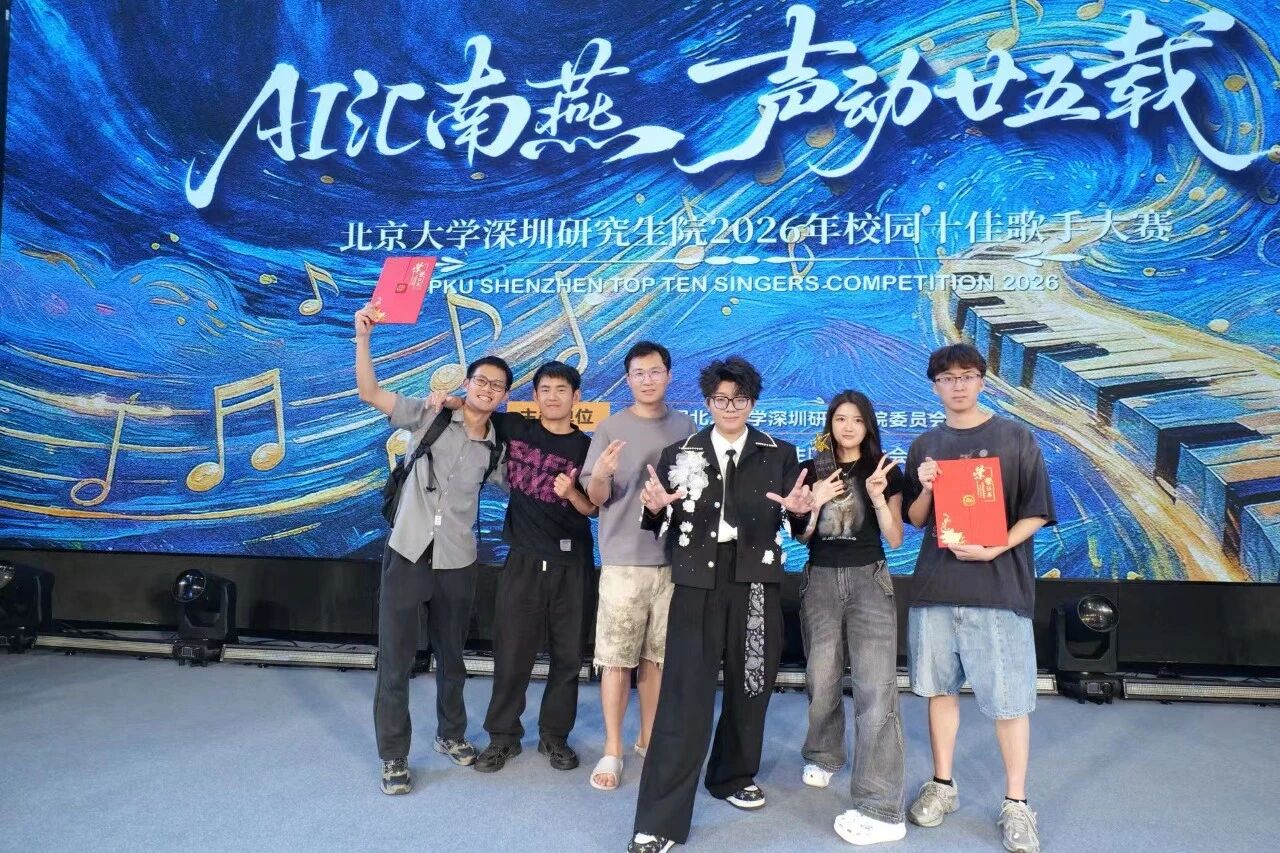
Above all, Zhou believes that maintaining a stable mindset is crucial. Perfection is not always attainable, but consistent effort, responsibility, and perseverance often lead to meaningful results over time.
Learning Through Challenges and Setbacks
Graduate study was not without difficulties. In fact, Zhou considers setbacks to be among the most valuable sources of growth.
During the early stages of her research, she encountered challenges such as unfocused topics, repeated adjustments to analytical frameworks, manuscript rejections, and unsatisfactory experimental or data results. At first, these experiences sometimes led her to question her own abilities.

Over time, however, she came to understand that research itself is a process of continuous trial, error, and refinement. Failure does not necessarily indicate that a direction is fundamentally wrong. More often, it signals that a problem requires deeper thinking, methods need improvement, or arguments need to be presented more rigorously. Rejections, criticism, and revisions are not obstacles to research—they are integral parts of academic training.
One of the most important lessons she learned was not to wait until feeling “fully prepared” before taking action. Many challenges become visible only after work begins, and meaningful growth often occurs while solving those challenges. She also learned the value of seeking help proactively. Conversations with supervisors, senior students, and peers frequently proved far more productive than struggling with problems alone.
Looking back, Zhou recognizes that many of the moments that once caused anxiety ultimately helped her develop greater resilience. Research is not about avoiding setbacks; it is about continuing to move forward despite them.
Growth Beyond the Classroom
Reflecting on her three years at Peking University, Zhou feels that personal growth often takes place within ordinary moments.
A discussion with a supervisor, a late-night round of manuscript revisions, the anticipation following a submission, or simply spending time with classmates and friends—all became meaningful parts of her graduate experience.
She is especially grateful for the mentors and friends she met along the way. Academic training taught her to approach problems with greater rigor, while campus life provided a sense of community and support. Both dimensions contributed significantly to her development.
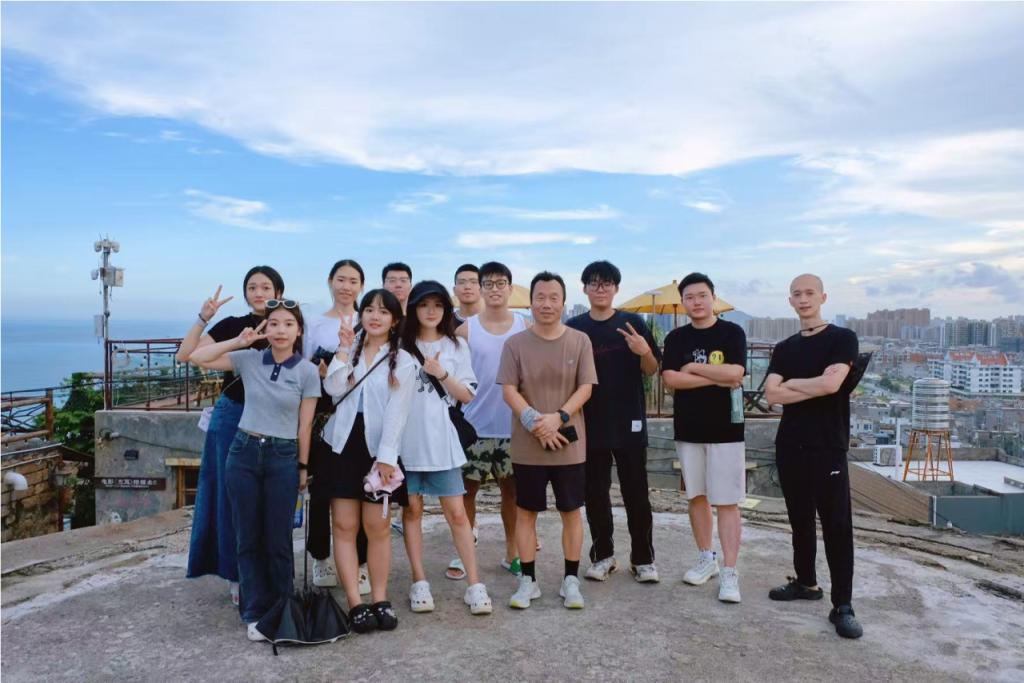
If graduate study taught her one enduring lesson, it is that ambition must be accompanied by patience. Meaningful outcomes rarely appear immediately. Yet when one’s direction is clear and effort remains consistent, the value of long-term accumulation will eventually become evident.
Looking Ahead
At the end of the interview, Zhou offered a message to younger students:
“Deepen your passion and sustain your persistence.”
She encourages students not to place limits on themselves too early, nor to define themselves by temporary setbacks. Confusion, anxiety, and uncertainty are common experiences and natural parts of growth. What matters most is maintaining the willingness to keep trying, keep learning, and keep moving forward.
She hopes that every student can discover a field that genuinely inspires them, while also taking time to enjoy life beyond research and coursework. Success should not be measured solely by outcomes; the persistence, growth, and transformation experienced along the journey are equally important.
“May your time at Peking University help you become a more determined, composed, and courageous version of yourself.”
Honors and Research Achievements
Honors and Awards
·Peking University Model Student Award
·National Scholarship
·BYD Scholarship
Research Achievements
·Published four academic papers as first author in journals including Journal of Hazardous Materials, Journal of Environmental Management, and Environmental Chemistry and Ecotoxicology
·Two additional papers currently under review
Student Leadership
·Class Monitor, Master’s Program Class of 2023
