Outstanding Graduate Profile
Wang Chenglong
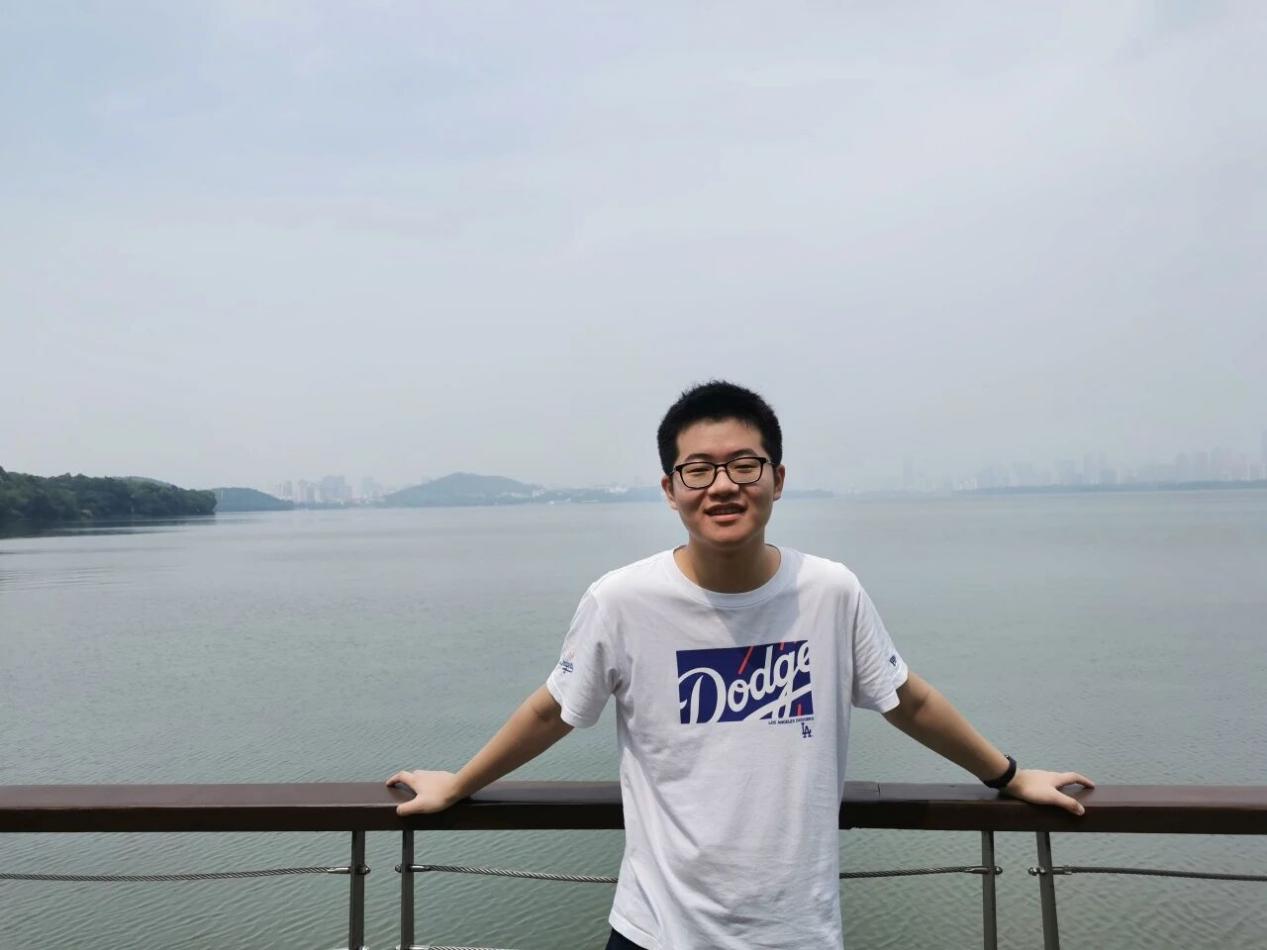
Master’s Program, Class of 2023
Major: Territorial Spatial Planning
Supervisor: Assistant Professor Gong Zhaoya
Hometown: Kunshan, Jiangsu Province
Undergraduate Institution: Wuhan University
Interest: Go (Weiqi)
Post-graduation Destination: Massachusetts Institute of Technology (MIT)
Exploring Research and Finding Direction
During his master’s studies, Wang Chenglong explored a wide range of research topics, including urban artificial intelligence, responsible AI, and intelligent cartography. Looking back, he believes that research directions are rarely clear from the outset; instead, they gradually emerge through continuous exploration and comparison.
His work in urban AI helped him recognize two complementary pathways in interdisciplinary research. One begins with classical urban theories and asks how artificial intelligence can better address urban problems—“Urban Science for AI.” The other starts from AI itself, using new technologies to better understand cities and uncover the mechanisms behind urban systems—“AI for Urban Science.”
His exploration of responsible AI further deepened his awareness of the social implications of research. In his view, academic work should not focus solely on improving accuracy metrics, but should also engage with more meaningful real-world questions. For example, do AI systems perform differently across languages, regions, or social groups? Do such differences reflect broader global inequalities? Beyond performance, issues such as safety, privacy, bias, and fairness also deserve sustained attention.
Meanwhile, his research in intelligent cartography reinforced the importance of genuine interest. Wang believes that research is difficult to sustain through external motivation alone. What truly supports long-term academic work is intrinsic curiosity and passion. Because of this interest, whenever new technologies or emerging phenomena appear, he instinctively connects them with his own research. For instance, when multimodal large language models and AI agents first gained attention, he immediately began considering how they could be integrated into cartography and geographic intelligence.
Wang also emphasized that research is often a long process with slow feedback. A paper may undergo revisions for more than a year, and a successful idea is frequently built upon dozens of failed attempts. During particularly demanding periods in late 2024, he and his peers often worked until four or five in the morning before continuing experiments again the next day. Although exhausting, he now regards those experiences as deeply valuable: advancing ideas together with like-minded friends was both meaningful and rewarding.
On Pursuing Further Academic Study
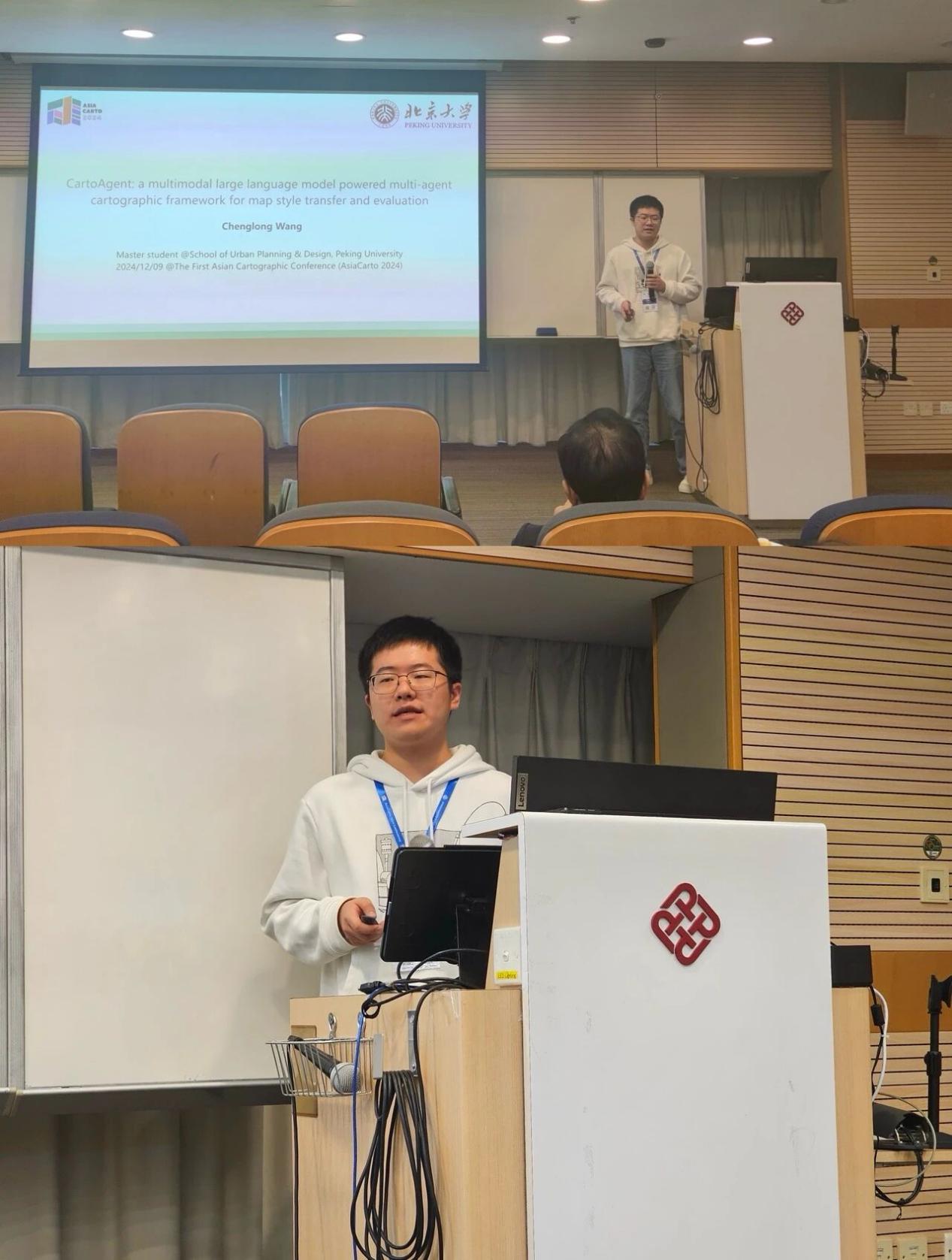
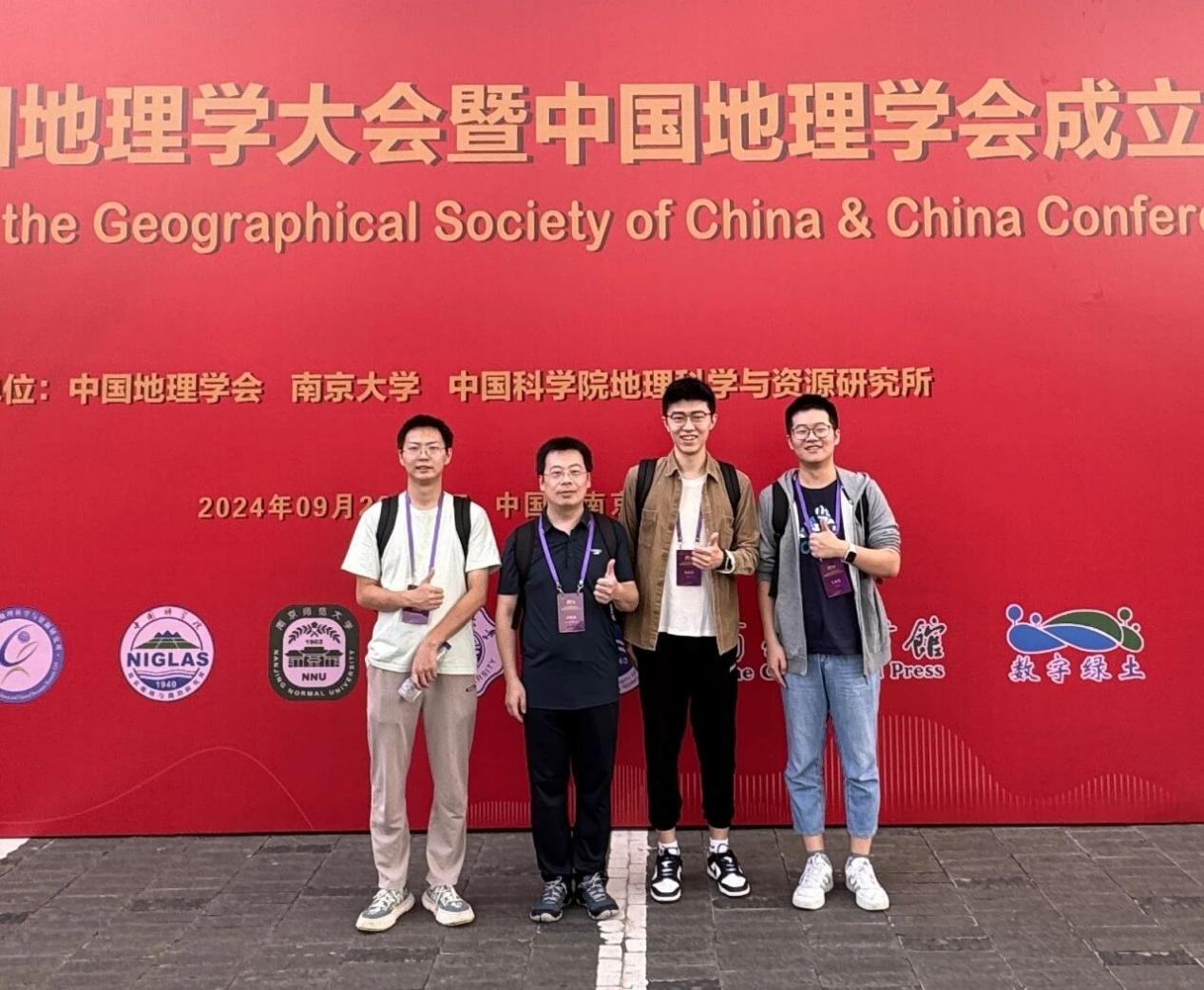
When discussing further study and doctoral applications, Wang believes that the most important step is to actively engage in research and develop work that can genuinely represent one’s academic identity. He suggests maintaining long-term focus on a meaningful problem rather than frequently shifting directions. Participating in conferences, group discussions, and academic writing also helps strengthen scholarly communication skills through continuous presentation and feedback.
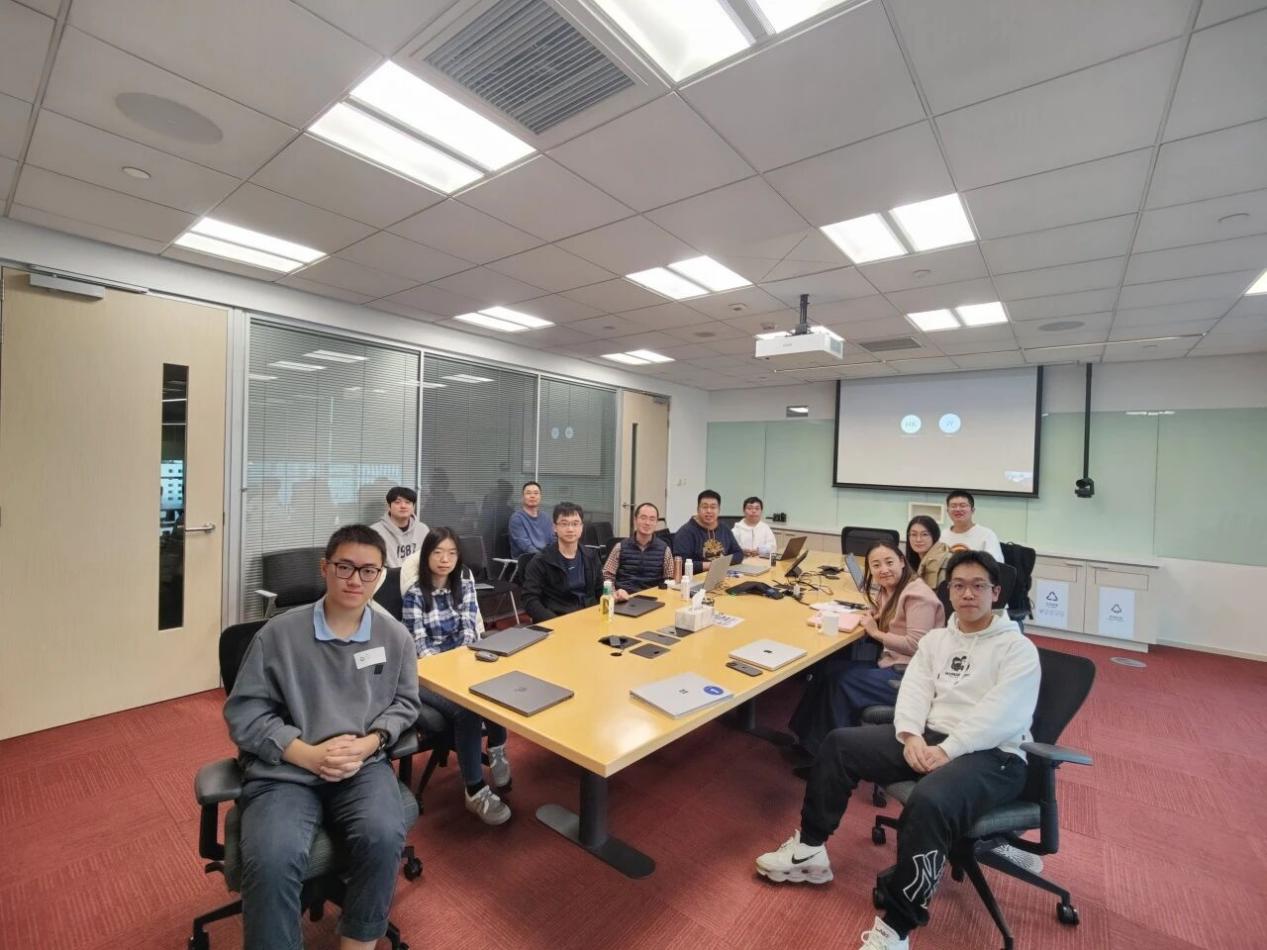
At the same time, Wang encourages students to communicate frequently with senior students, advisors, and scholars at different career stages. Such conversations provide a more concrete understanding of doctoral study, academic applications, and long-term career development.
Regarding applications, he emphasized the importance of thorough preparation, including research publications, research proposals, language proficiency, and recommendation letters. Equally important, however, is the willingness to try boldly and avoid dismissing oneself prematurely. Many opportunities only become visible after taking the first step to apply.
Lessons from Failure and Persistence
For Wang, one of the most memorable research experiences was a project that lasted four years. In the very first month, the project produced unexpectedly promising results, leading him to believe that success would come quickly through further optimization and experimentation. However, he gradually realized that there is a significant gap between an encouraging preliminary result and a truly rigorous, theoretically meaningful, and well-explained study.
For a long period afterward, he repeatedly revised models, reanalyzed results, overturned assumptions, and redesigned experiments. By the second year, he even experienced moments of frustration, feeling as though he was working hard every day without making visible progress.
This experience ultimately taught him three important lessons. First, while short-term achievements matter, researchers should also reserve space for more challenging and fundamental questions, even if progress is slower. Such problems often play a greater role in shaping research capabilities. Second, learning to pause is equally important. Sometimes simply adding more experiments or refining models cannot solve a problem; stepping back and reassessing assumptions may be more effective. Third, research often advances in a spiral rather than a straight line. Many explorations that appear repetitive or inefficient in the moment may, over time, prove essential for approaching the core of a problem.
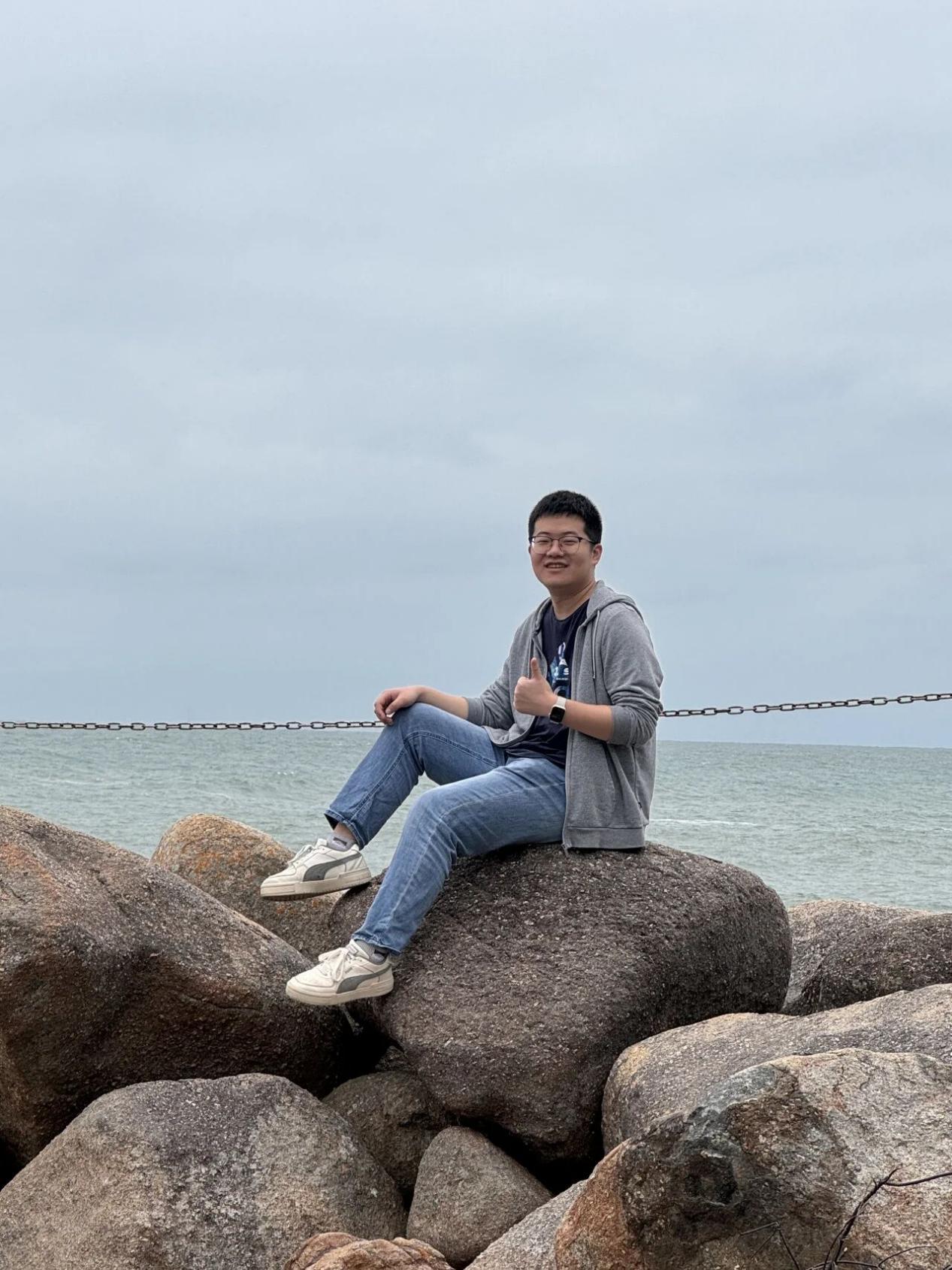
At the same time, Wang stressed the importance of maintaining a fulfilling life outside research. Living in the Greater Bay Area, he often found that walks, sea breezes, and sunsets provided clarity that could not be achieved in front of a computer screen. In his view, many problems become clearer only after giving oneself space to breathe and reflect.
Reflections on Excellence
When asked about receiving the title of Outstanding Graduate, Wang remained modest. He believes that many of his peers excel in their own fields, and that he himself has simply been fortunate. If he were to summarize his own experience, however, he would say that one should not regard awards as the ultimate goal from the very beginning.
Two pieces of advice from his teachers have had a particularly lasting impact on him.
The first is: “Come as you are, do what you love.”
For Wang, research begins with staying true to oneself and exploring fields that genuinely inspire curiosity. Interest may not solve every problem, but it helps people persist longer through difficulties and gradually develop independent judgment and direction.
The second is: “Less is more.”
He noted that researchers often attempt to make projects increasingly complex, adding more content and techniques. Yet what truly matters may be identifying a sufficiently clear and fundamental question, then addressing it thoroughly and rigorously. This principle applies not only to research, but also to personal growth. Concentrating limited energy on genuinely important matters may ultimately lead people further.
Gratitude and Looking Ahead
Reflecting on his master’s journey, Wang expressed deep gratitude toward the teachers and mentors who supported him throughout his studies.
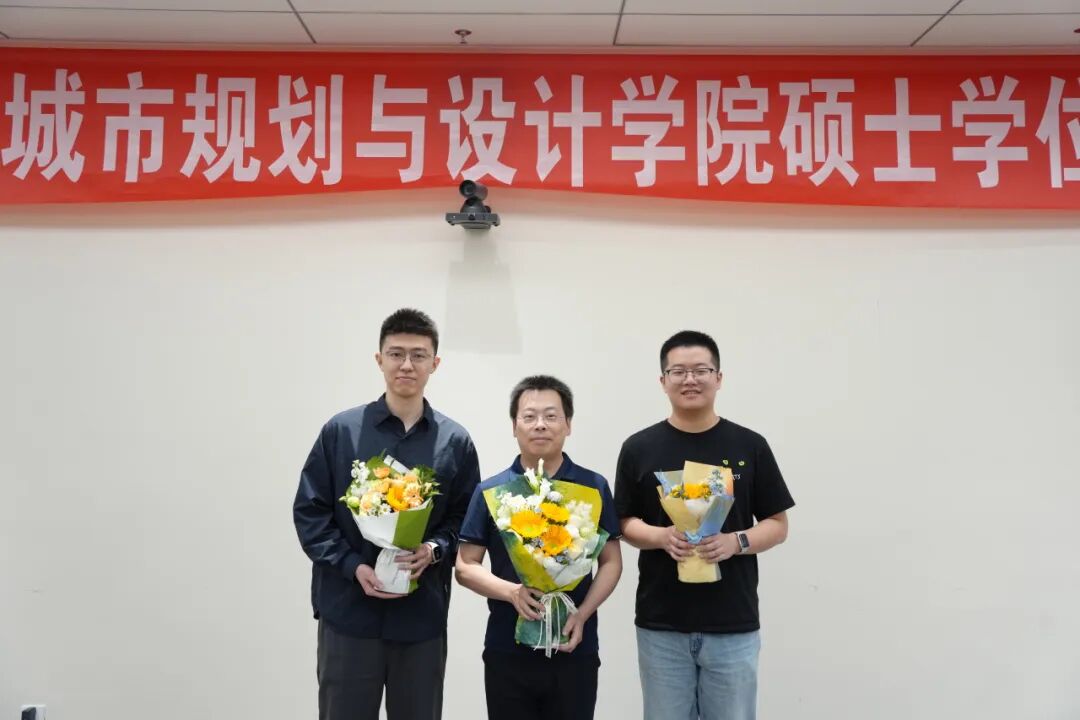
He especially thanked his advisor, Assistant Professor Gong Zhaoya, for providing both careful guidance and intellectual freedom. Wang recalled many late-night discussions during paper revisions in the corridors of Building 6, where complex theoretical questions were patiently unpacked and explored. He believes that this environment of encouragement and openness allowed him to grow through exploration and experimentation.
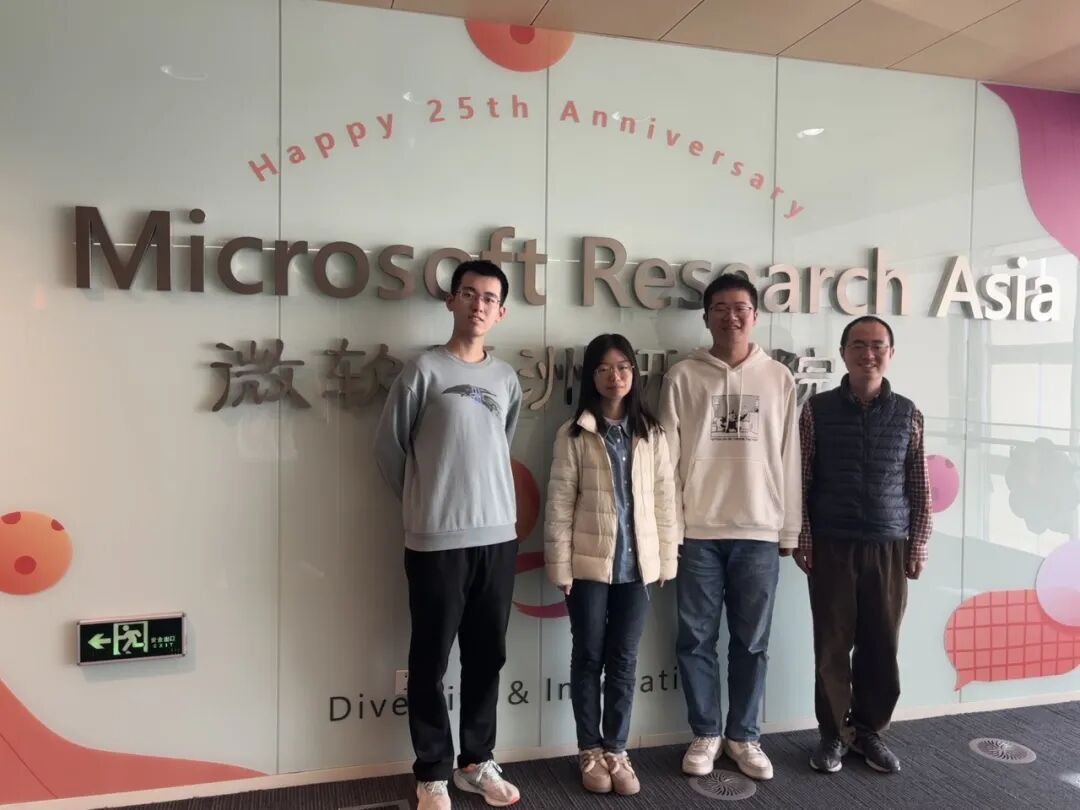
He also expressed sincere appreciation to Professor Kang Yuhao from the University of Texas at Austin and Wu Fangzhao from Microsoft Research Asia. Their mentorship in literature review, experimental design, and research development helped him cultivate research habits that continue to benefit him today.
For Wang, these experiences and forms of support became the most valuable part of his graduate education.
Message to fellow students:
“Come as you are, do what you love.”

Honors and Research Achievements
Honors and Awards
National Scholarship; Beijing Outstanding Graduate; Peking University Outstanding Graduate; Hongqiao Scholarship; Academic Innovation Award; Merit Student Award.
Research Achievements
Published 14 papers during his master’s studies, including five SCI/SSCI Q1 journal papers as (student) first author in journals such as PNAS, IJGIS, JAG, and CaGIS.
Additional Honors
CaGIS Student Research Scholarship Award; ICA Scholarship Award; Microsoft Stars of Tomorrow Award; First Prize in the 8th “Chengyuan Cup” Planning Decision Support Model Design Competition.
