Outstanding Graduate Profile
Wang Hao
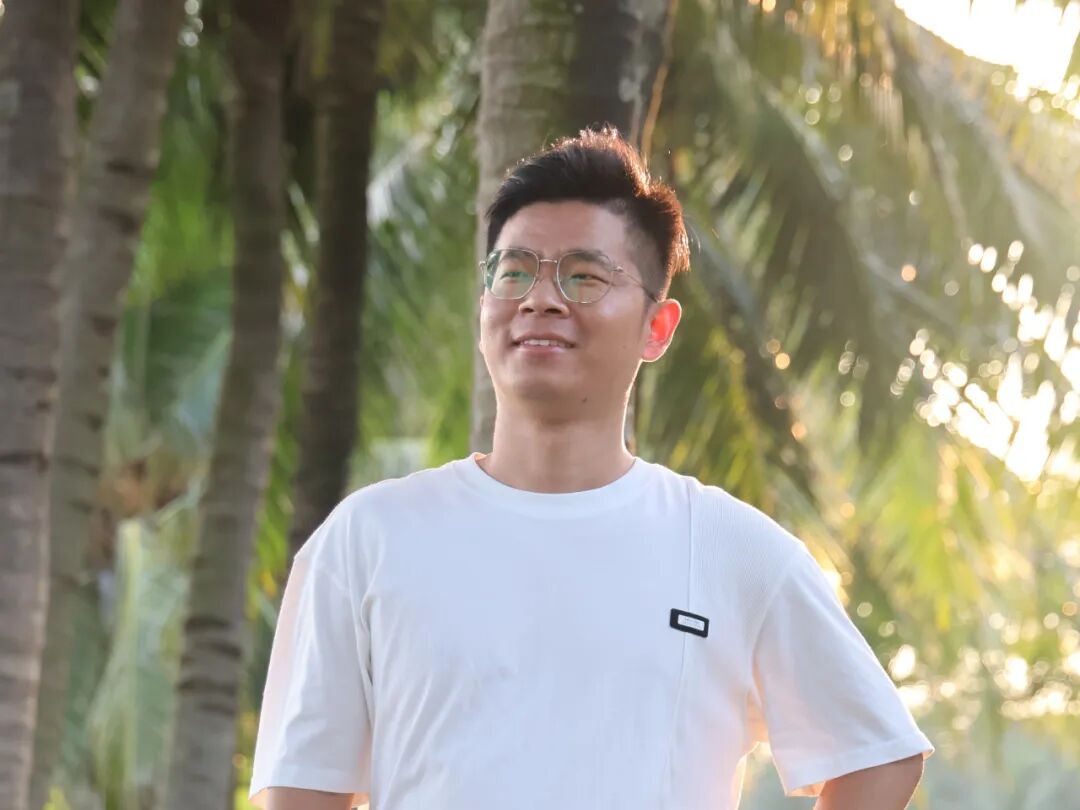
Ph.D. Program, School of Urban Planning and Design
Major: Human Geography
Supervisor: Professor Zhao Pengjun
Hometown: Xiaoxian, Anhui Province
Undergraduate Institution: Beijing Jiaotong University
Interests: Fitness, running, films and television, academic exchange with peers
Post-graduation Plan: Pursuing a career in research
As graduation season approaches, we interviewed Wang Hao, an outstanding graduate from the School of Urban Planning and Design. When speaking of the title “outstanding,” Wang appeared modest, preferring to describe his growth as the result of curiosity, accumulation, exploration, and persistence. Rather than presenting a standardized formula for success, he reflected candidly on how his research interests gradually took shape, how he coped with academic pressure, and how he found balance among research, mentorship, teamwork, and daily life. His story illustrates how a young scholar steadily matures by moving forward at his own pace.
Discovering Research Questions Through Interest
For Wang Hao, research did not begin with a clearly defined “big question.” Instead, his interests gradually emerged through sustained reading and continuous exploration. Faced with a vast body of literature, he initially felt overwhelmed, but the papers that genuinely interested him naturally stood out and invited deeper reflection. Over time, he began to identify hidden connections among different studies: some questions had been discussed separately by various scholars but had not yet been systematically linked, while some ideas remained dormant until new problems brought them back into focus. Through reading, comparison, and reflection, broad academic interests gradually evolved into concrete research questions.
He also reflected on the evolution of his note-taking habits. Early in his academic journey, he carefully recorded well-written phrases and expressions, hoping to emulate them in future writing. Later, however, he realized that what mattered most was not merely collecting materials, but developing independent academic judgment: identifying worthwhile questions, transferable methods, and forms of expression aligned with one’s own scholarly style. Many notes may never be directly used, yet the ideas that resonate often remain in memory and eventually become seeds for future research.
Wang’s academic path also evolved over time. As an undergraduate majoring in Logistics Engineering, he later shifted toward research on human mobility, transport geography, and complexity modeling. This transition was not part of a predetermined plan, but gradually emerged through coursework, research projects, mentorship, and personal experimentation. Learning to read and adapt code, and transforming ideas into models and empirical results, became crucial milestones in strengthening his research capabilities. These practical and cumulative experiences enabled him to test hypotheses, refine ideas, and gradually build confidence in his academic work.
Understanding Research Through Mobility and Fieldwork
During his doctoral studies, Wang focused on transport geography, particularly the mechanisms underlying urban spatial evolution and human mobility. He participated in major research projects, including a Key Program funded by the National Natural Science Foundation of China, and conducted a series of studies on the analysis and modeling of complex human mobility behaviors. His research has been published in leading journals such as Nature Communications, PNAS, and The Innovation. One paper published in Nature Communications was selected among the “Top 25 Trending Papers in Social Sciences and Human Behaviour in 2024” and received featured coverage in computational social science. Another paper published in The Innovation received the 2026 Innovation Geoscience Award.
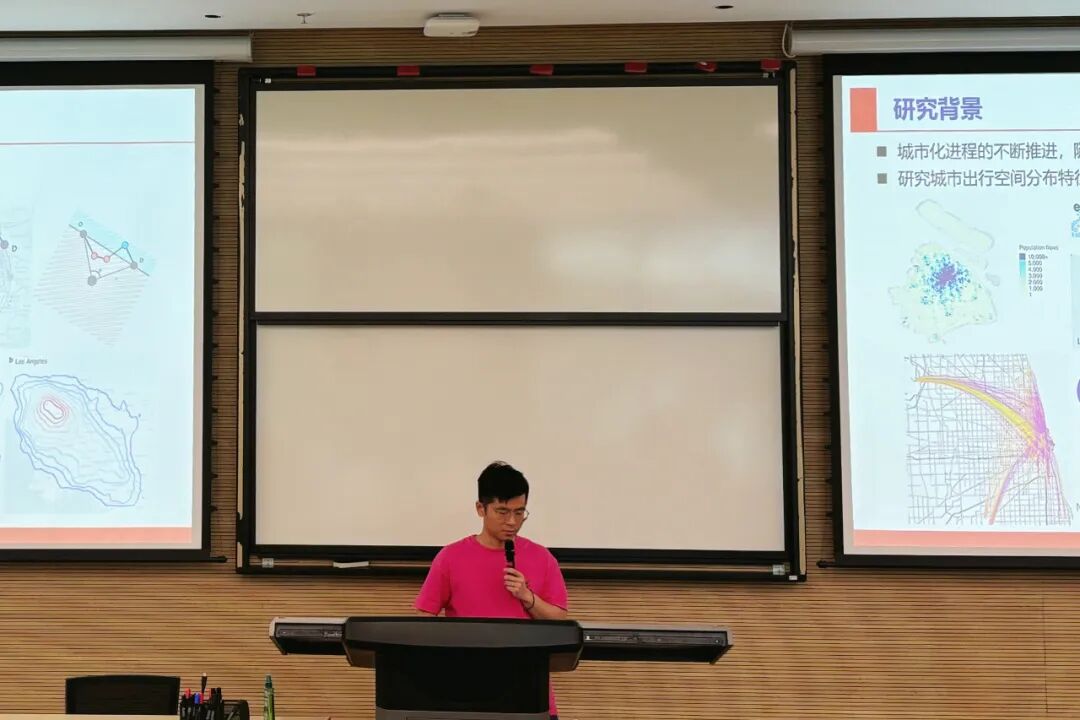
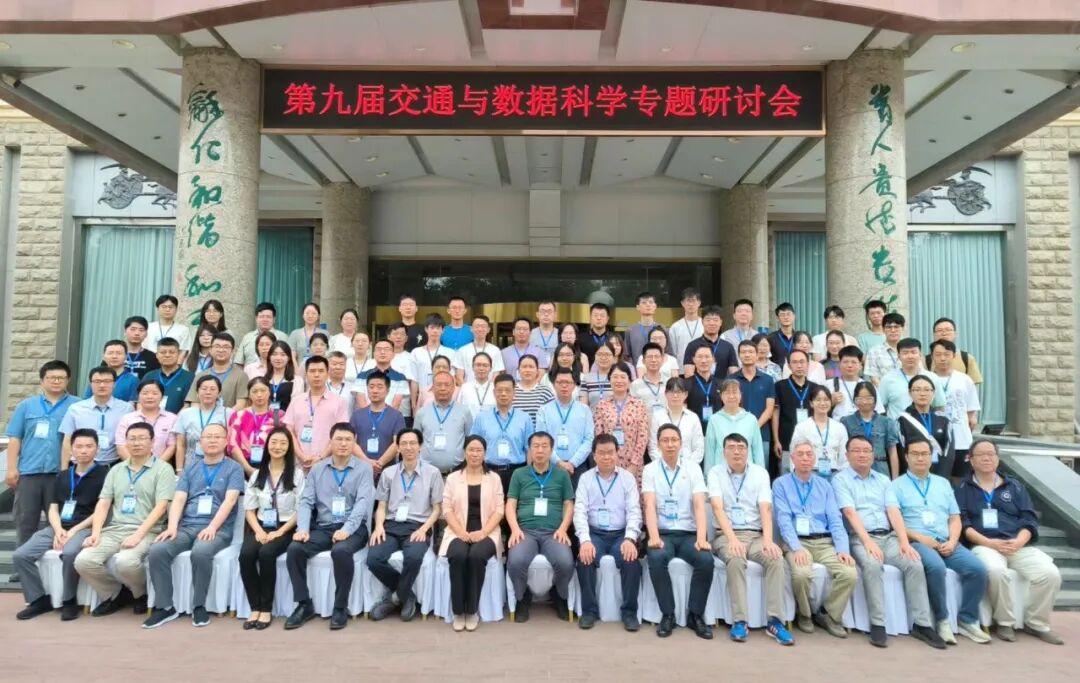
Behind these achievements lies Wang’s sustained attention to real-world issues. For four consecutive years, he participated in a national Spring Festival travel forecasting project based on big data. While millions of families gathered for reunions, Wang and his team remained in the laboratory, using data to map population mobility and models to support public decision-making. Their work was reported by major media outlets including CCTV News and Shenzhen Special Zone Daily, and received written commendation from the China Population and Development Research Center. For Wang, the moving lines and figures displayed on computer screens represented countless journeys home and new departures, deepening his understanding of the connection between transport research and public well-being.
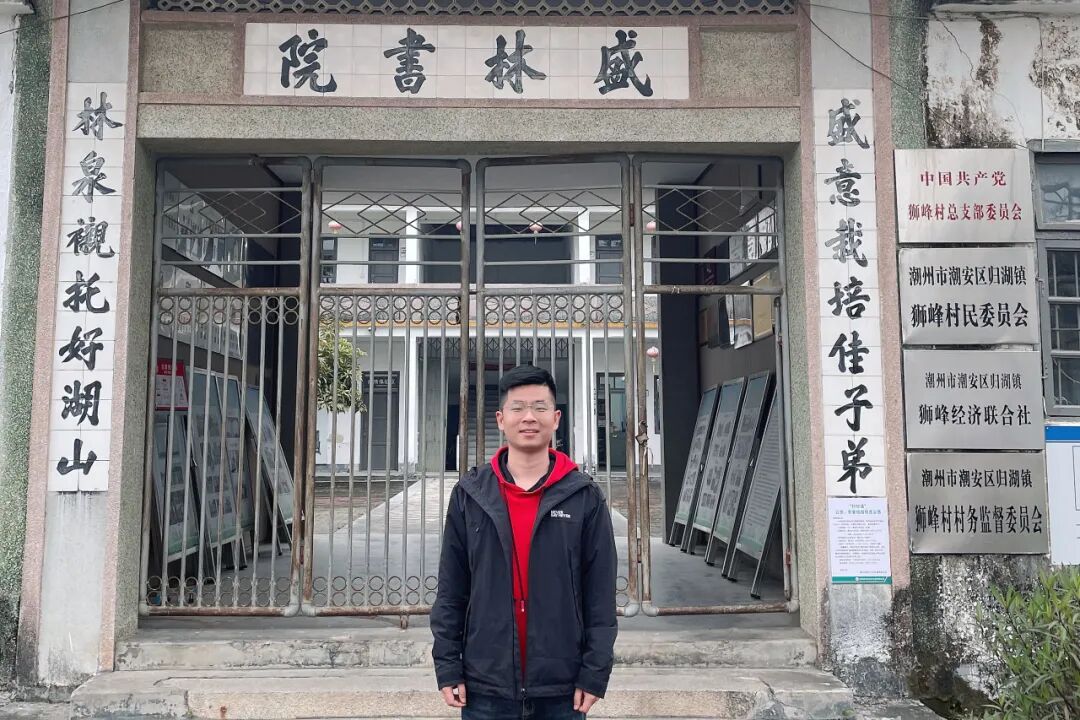
Beyond models and datasets, Wang also brought his research into local communities. Focusing on transportation development and public needs, he conducted field investigations in rural areas such as Qingyuan and Chaozhou in Guangdong Province, exploring issues related to transportation electrification. Village roads, elderly mobility, returning youth, and grassroots transport conditions all provided vivid insights into everyday life. These experiences reinforced his belief that the value of research lies not only in explaining macro-level patterns, but also in responding to the lived realities of ordinary people.
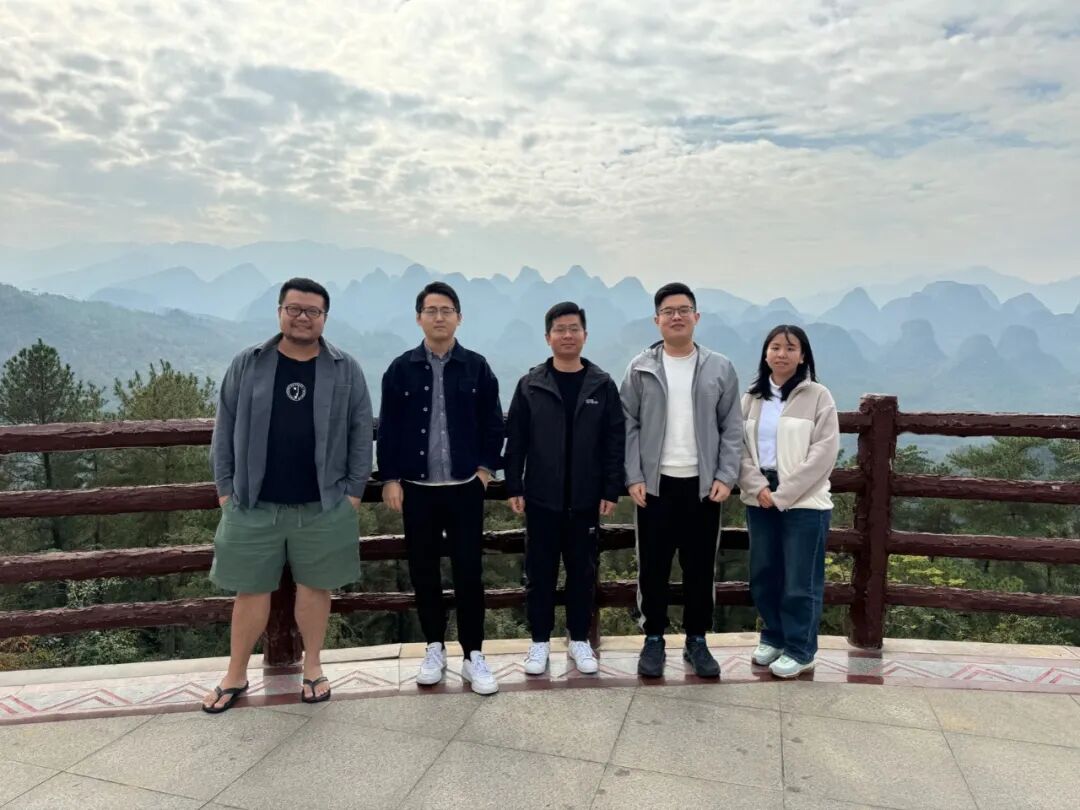
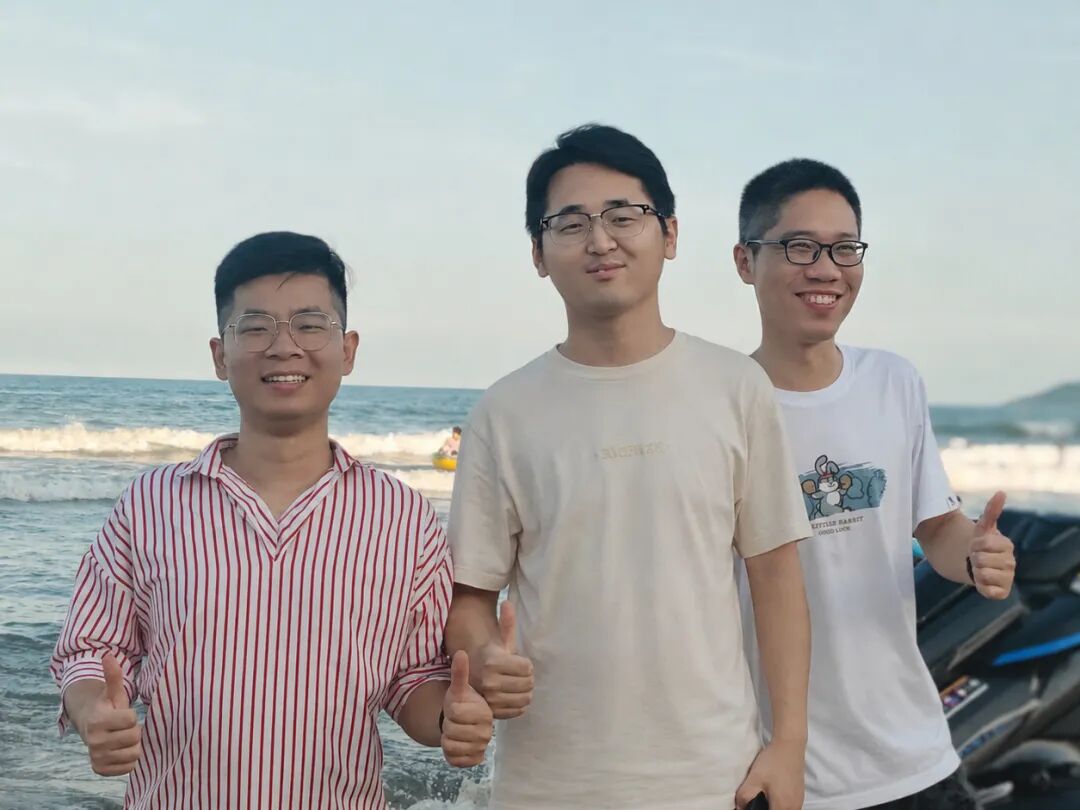
---
Moving Forward at One’s Own Pace
Outside academia, Wang places equal importance on life itself. He does not believe that research should come at the expense of everything else. In his view, physical well-being, stable interpersonal relationships, and appropriate relaxation are all essential for sustaining long-term academic work. During his doctoral studies, he regularly went to the gym and tried morning running routines, finding that even short runs could significantly improve his mental state for the day.
When discussing pressure and anxiety, Wang did not offer a “universal solution.” Repeated manuscript revisions, setbacks in publication, and uncertainty about future choices all brought moments of stress. His approach, however, was to remain resilient while also allowing himself space to recharge—through exercise, films and television, short trips, or conversations with friends and fellow students. Research requires both concentration and balance: the ability to work independently, as well as the support gained through collective and personal relationships.
Speaking about his research group and supervisor, Wang especially valued the open and supportive academic atmosphere they fostered. In his view, supervisors provide platforms, directions, and broader perspectives, while students continue exploring through specific research questions, technical methods, and data analysis. A strong mentor-student relationship is not simply based on instructions and execution, but on mutual understanding developed through discussion and collaboration. The combination of broad academic vision and concrete technical work, he believes, is a key driving force behind meaningful research progress.
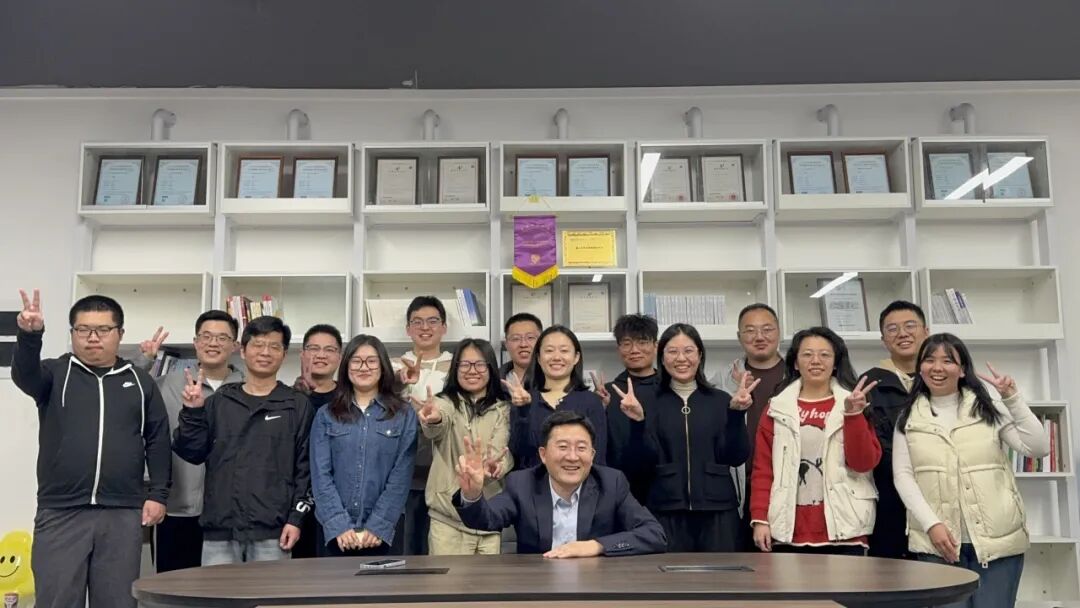
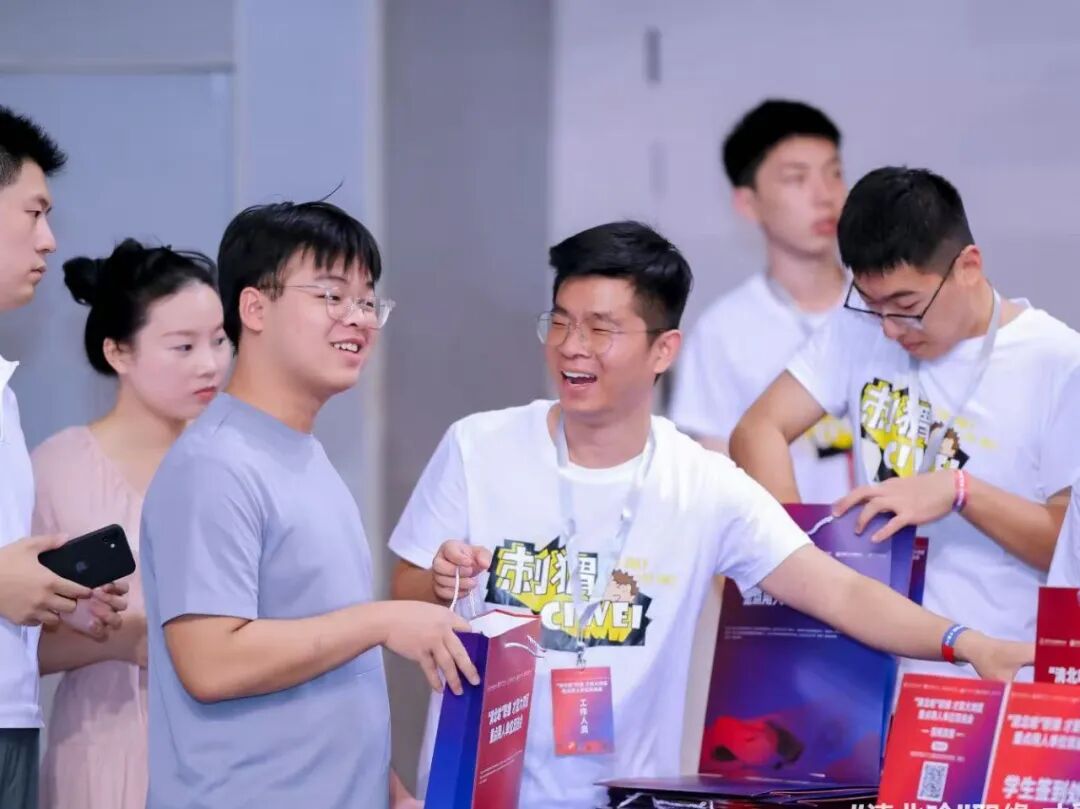
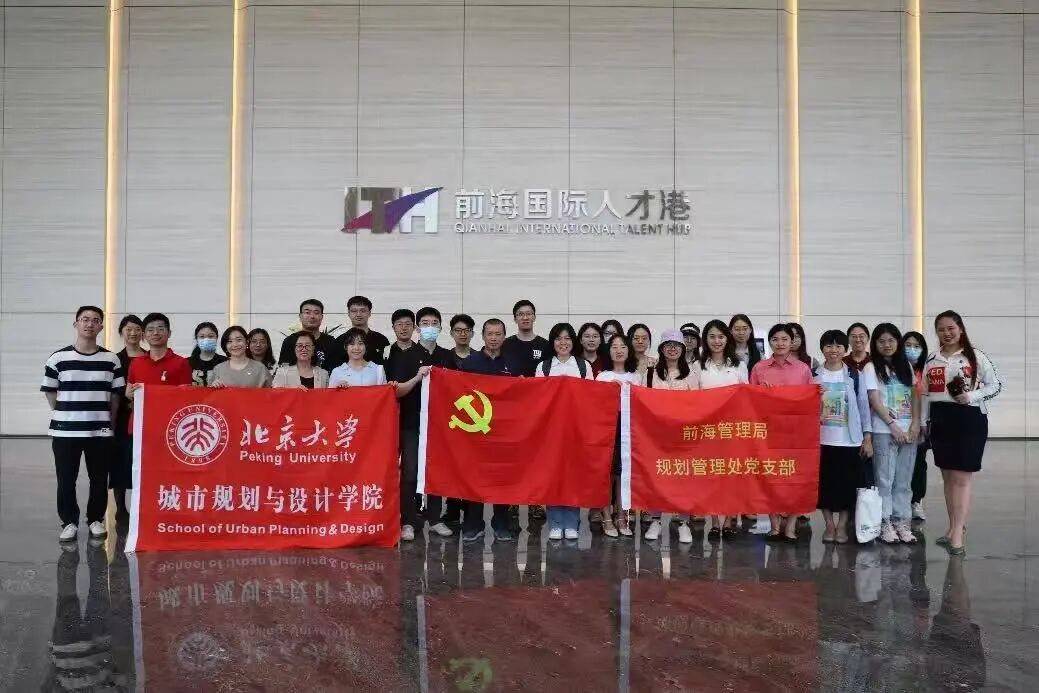
In addition to his academic work, Wang actively participated in student affairs and university activities. As deputy monitor of the doctoral class, he organized twelve doctoral salons on topics including transportation planning, population migration, and sustainable development, attracting more than 400 participants. He also took part in field research projects in Qianhai, educational activities in Gankeng Ancient Town, and volunteered at academic and recruitment events hosted by leading universities and key laboratories. In 2025, he received numerous honors, including the National Scholarship, the Peking University Model Student Award, and the Academic Innovation Award. For Wang, these experiences were not merely extracurricular activities, but important ways to remain connected with the university community and society.
Reflections on the Future and Excellence
After completing his Ph.D., Wang plans to continue pursuing academic research. Reflecting on his experiences in further study and career preparation, he noted that pathways such as faculty positions, postdoctoral research, and overseas opportunities each require early planning and proactive preparation. Passion is important, but practical factors—including applications, research achievements, alignment of research directions, and opportunities—must also be addressed steadily and realistically.
He encouraged younger students to both “look up at the stars” and “keep their feet on the ground.” Curiosity may inspire one to enter a field, but transforming ideas into meaningful research requires concrete skills such as programming, data analysis, modeling, and academic writing. Only by developing the ability to implement ideas can researchers engage in effective dialogue with supervisors and peers, thereby advancing and refining their work.
When asked about his understanding of being an “outstanding graduate,” Wang’s answer was simple: students should identify their own strengths and focus on developing them. For doctoral students, research capability and academic achievement are undoubtedly fundamental. At the same time, they should also strive to fulfill responsibilities as members of the university community. Sustainable excellence, in his view, is not about pushing oneself to the limit, but about maintaining clarity of purpose while remaining attentive to collective responsibility and personal well-being.
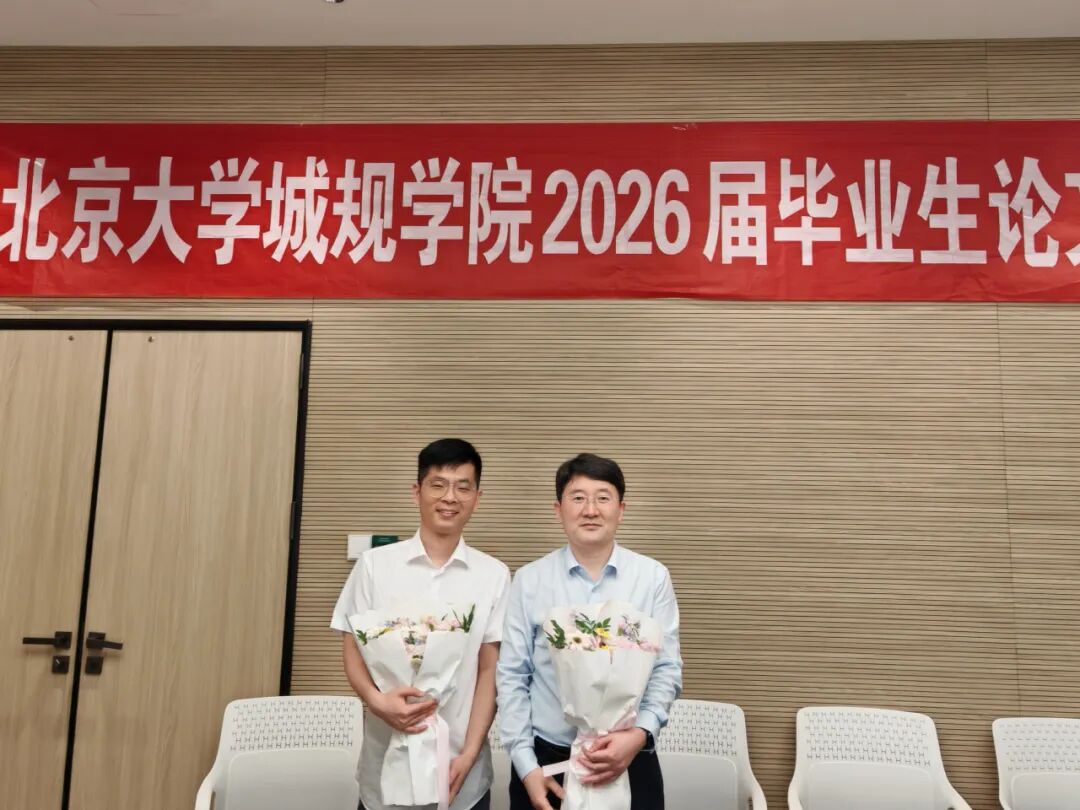
At the end of the interview, Wang summarized his message to younger students in a few concise words: find a rhythm that suits you, take care of your health, and protect your curiosity. Graduate study inevitably involves pressure and uncertainty, but one should never lose interest in meaningful questions. Research requires both passion and practical ability; both ambition and grounded effort. Maintaining healthy routines, enriching life experiences, and staying connected with peers, friends, and family are equally important forms of growth.
“Stay curious, stay grounded, and move forward happily at your own pace.”

Honors and Research Achievements
Honors and Awards
National Scholarship; Beijing Outstanding Graduate; Peking University Outstanding Graduate; Peking University Model Student Award; Peking University Academic Innovation Award, among others.
Research Achievements
Published five papers in journals including Nature Communications, PNAS, and The Innovation; participated in projects funded by the National Natural Science Foundation of China and the Shenzhen Science and Technology Innovation Commission.
Student Leadership
Deputy Monitor of the doctoral class, School of Urban Planning and Design.
